
Understanding the cost breakdown of specific irrigation components is vital for effective water management in agriculture. Each component, from pumps to emitters, has unique costs influenced by various factors. Initial investments can differ significantly, impacting long-term sustainability. Farmers must consider not only purchase prices but also ongoing operational expenses. This careful evaluation sets the stage for optimizing irrigation practices. What insights can be gained from a detailed analysis of these components?
Key Takeaways
- Pump costs vary by type and efficiency, with centrifugal pumps generally being more affordable than submersible pumps.
- Filter expenses depend on type and capacity, with a balance needed between cost and performance for effective irrigation.
- Pipe pricing is influenced by material and diameter, and bulk purchases can lead to significant savings for irrigation systems.
- Valves range from $15 to $100, and investing in quality can extend lifespan and reduce long-term operational costs.
- Head and emitter costs are affected by material quality and design efficiency, impacting overall water distribution and usage.
Analyzing Pump Costs
Analyzing pump costs is essential for understanding the overall financial commitment involved in irrigation systems. The price of an irrigation pump can vary significantly based on factors such as size, type, and efficiency.
Typically, centrifugal pumps tend to be more affordable, while submersible pumps may command higher prices due to their advanced design and capabilities. Additionally, the cost of installation and maintenance should be factored into the overall pump expenditures.
When evaluating options, it is crucial to consider both upfront costs and long-term operational expenses, including energy consumption. A thorough assessment of these aspects ensures that the chosen irrigation pump aligns with budgetary constraints and operational needs, ultimately supporting efficient agricultural practices and sustainable water management.
Breakdown of Filter Expenses
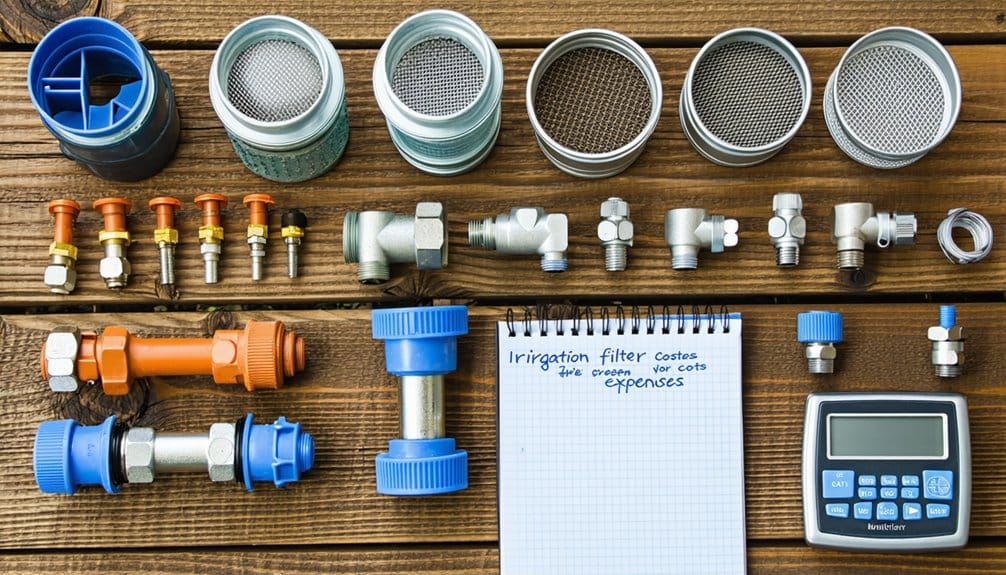
Filters play a crucial role in maintaining the efficiency and longevity of irrigation systems by preventing debris and contaminants from damaging other components.
The expenses associated with irrigation filters can vary significantly based on type, size, and filtration capacity. A cost-effective irrigation filter typically balances affordability with performance, ensuring adequate filtration without excessive costs.
Common types include screen filters, disc filters, and media filters, each with distinct price points. Installation and maintenance costs also contribute to the overall expense.
While initial investments may be higher for some advanced filters, their durability often results in long-term savings, reducing the frequency of replacements and maintenance.
Ultimately, selecting the right filter is essential for optimizing operational efficiency and minimizing long-term costs.
Understanding Pipe Pricing
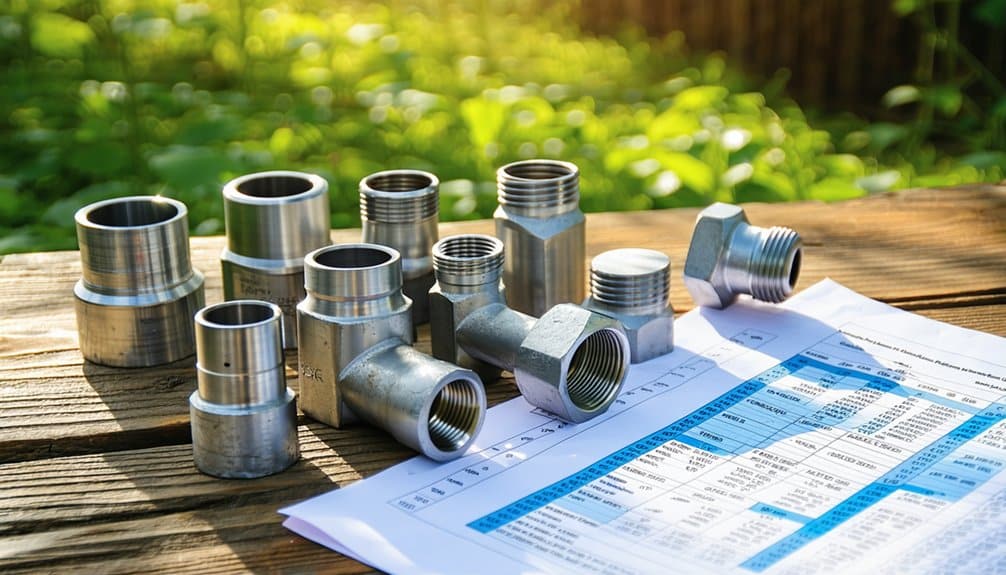
The selection of appropriate pipes is vital for the overall efficiency of an irrigation system. Understanding irrigation pipe pricing is essential for budget-conscious planners and farmers.
Various factors influence these prices, including the material, diameter, and length of the pipes. Common materials include PVC, polyethylene, and metal, each offering different durability and cost-effectiveness. Additionally, the diameter of the pipe impacts flow capacity and, consequently, pricing.
Bulk purchasing or opting for specific suppliers can also lead to savings. Furthermore, local market conditions and transportation costs can significantly affect the final price.
Accurate knowledge of these elements allows for more informed decisions, ensuring that the selected pipes meet both performance and financial requirements for an effective irrigation system.
Valuing Valve Investments
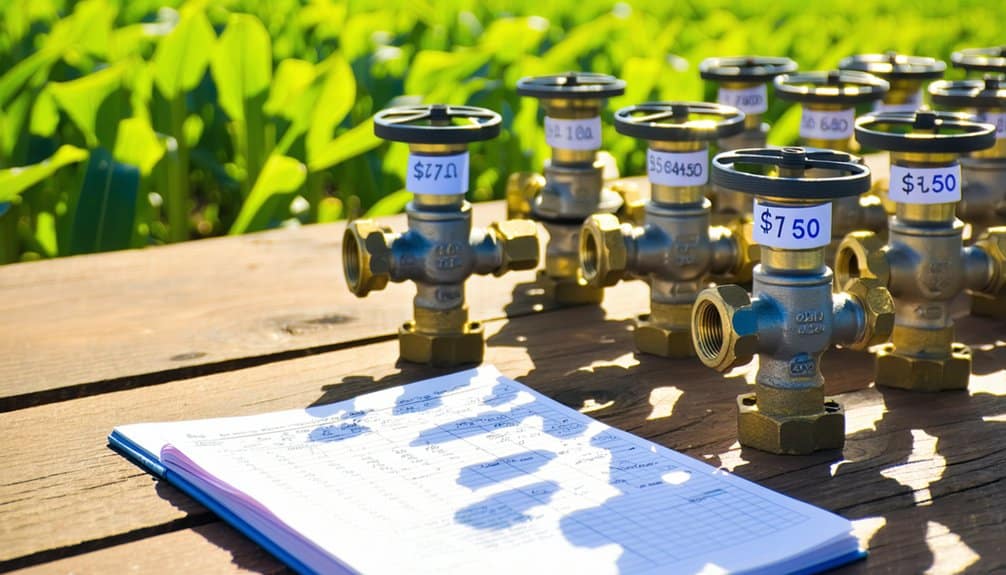
Valves play a crucial role in the efficiency and functionality of an irrigation system. They regulate water flow, ensuring that crops receive adequate moisture while minimizing waste. Understanding the irrigation valve cost is essential for effective budgeting and planning. The following table outlines various types of valves along with their associated costs:
| Valve Type | Average Cost (USD) | Lifespan (Years) |
|---|---|---|
| Gate Valve | $20 – $50 | 10 – 15 |
| Ball Valve | $30 – $70 | 15 – 20 |
| Check Valve | $15 – $40 | 10 – 15 |
| Pressure Relief | $25 – $60 | 10 – 12 |
| Solenoid Valve | $50 – $100 | 5 – 10 |
Investing in quality valves can lead to long-term savings and improved system performance.
Evaluating Head and Emitter Costs
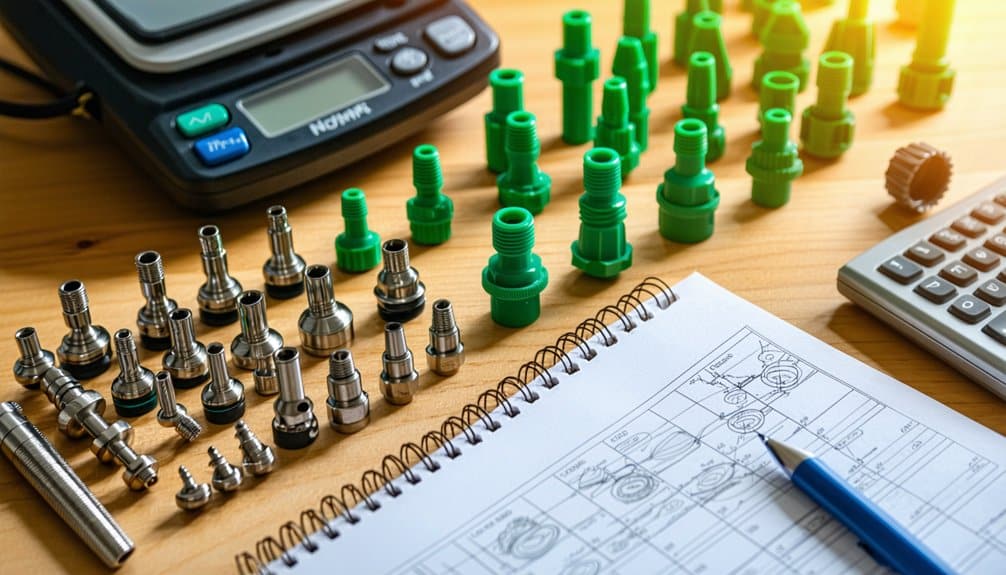
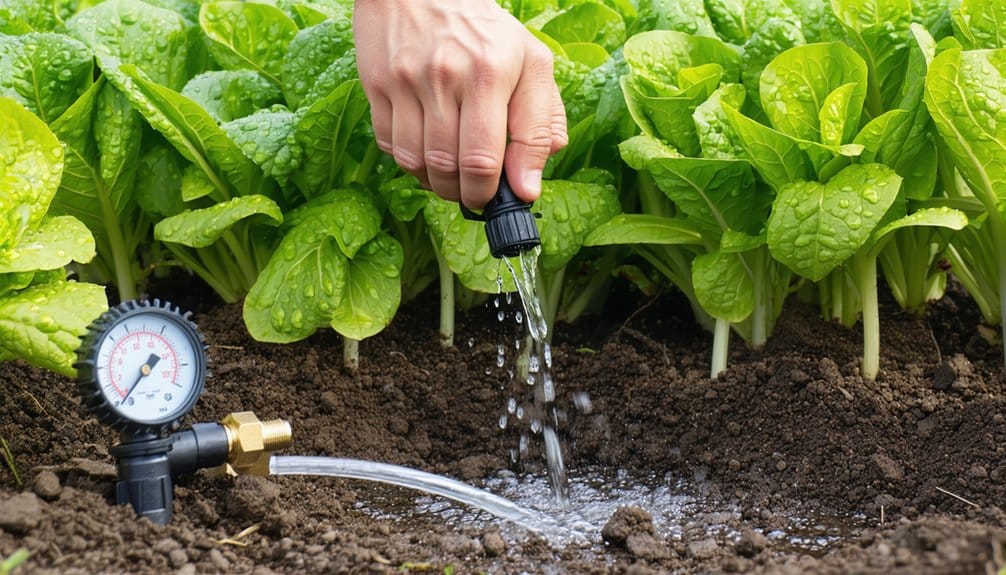
Irrigation systems rely heavily on the selection of appropriate heads and emitters to ensure efficient water distribution. These components play a crucial role in determining the overall efficacy of irrigation practices, directly influencing both water savings and crop yield.
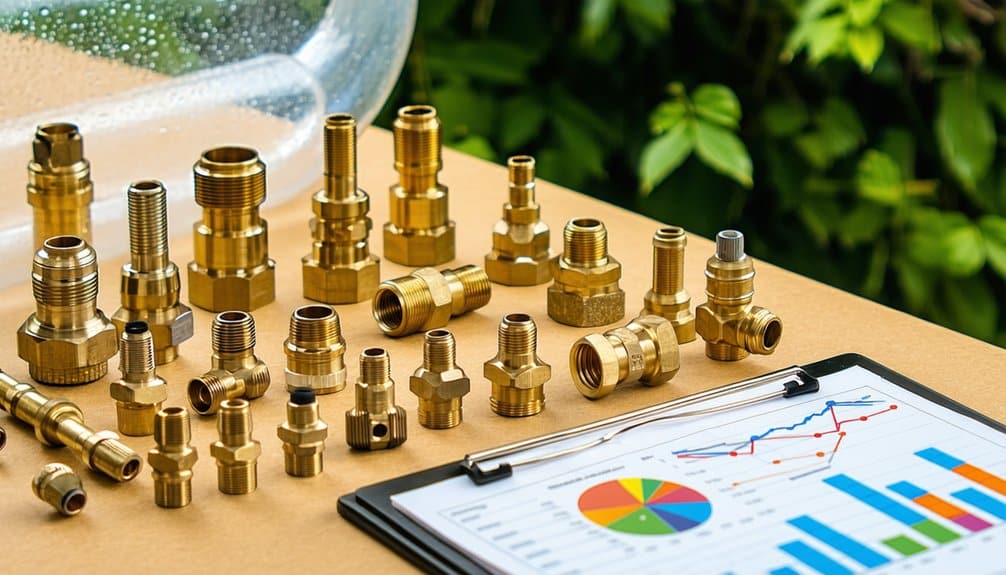
Evaluating head and emitter costs involves analyzing various factors, including material quality, flow rate, and design efficiency. Generally, higher-quality heads and emitters may incur increased initial irrigation component costs but can lead to lower operational expenses over time due to improved performance and durability.
Additionally, selecting the right combination tailored to specific crops and soil types can optimize water usage, ultimately affecting the long-term financial viability of the irrigation system. Careful assessment of these costs is essential for sustainable agricultural practices.
Conclusion
In conclusion, a comprehensive understanding of the cost breakdown for irrigation components is vital for farmers aiming to enhance efficiency and sustainability in their practices. By analyzing expenses associated with pumps, filters, pipes, valves, and emitters, agricultural producers can make informed investments that not only address initial costs but also consider long-term operational expenses. This strategic approach enables farmers to optimize water management, ultimately leading to improved productivity and resource conservation in their agricultural endeavors.