
Understanding the costs associated with farm irrigation systems is essential for effective agricultural management. Farmers face decisions that can significantly impact their financial outcomes. Initial investments and ongoing operational expenses vary widely among different irrigation methods. Various factors, such as land size and local conditions, further complicate these costs. A closer examination of these elements reveals important insights that could influence a farmer’s approach to water management and crop productivity.
Key Takeaways
- Different types of irrigation systems, like drip and sprinkler, have varying initial costs and operating expenses impacting overall budget planning.
- Initial investments include installation and equipment costs, while long-term costs cover maintenance, energy, and water usage.
- Factors such as land size, crop needs, and local labor prices can significantly influence the total cost of irrigation systems.
- Financial assistance programs and incentives are available to support farmers in adopting efficient irrigation technologies and improving return on investment.
- Conducting a cost-benefit analysis helps assess the financial viability of irrigation systems by comparing installation costs against potential crop yield increases.
Types of Irrigation Systems and Their Cost Structures
Irrigation systems are essential for optimizing agricultural productivity, and their costs can vary significantly based on type and design.
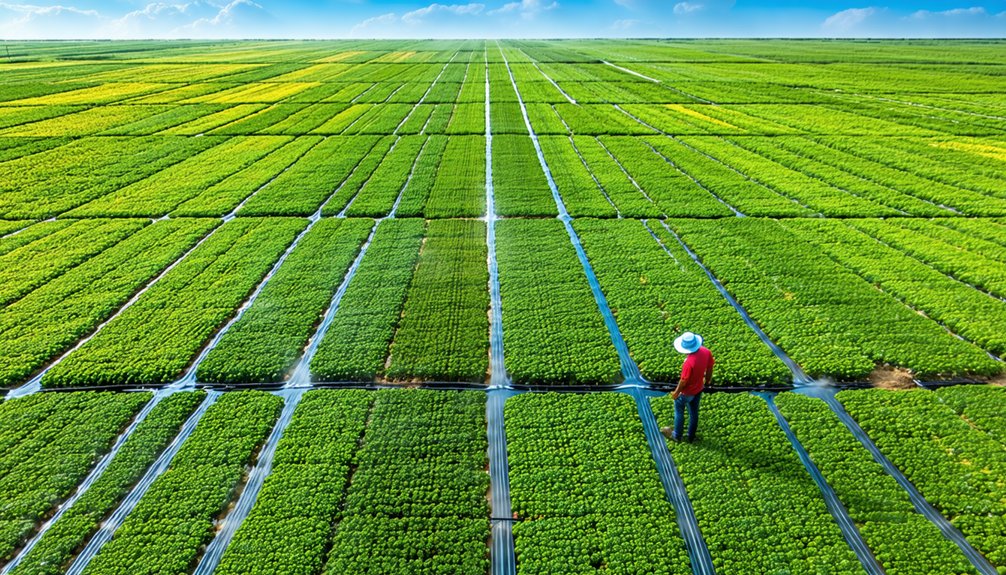
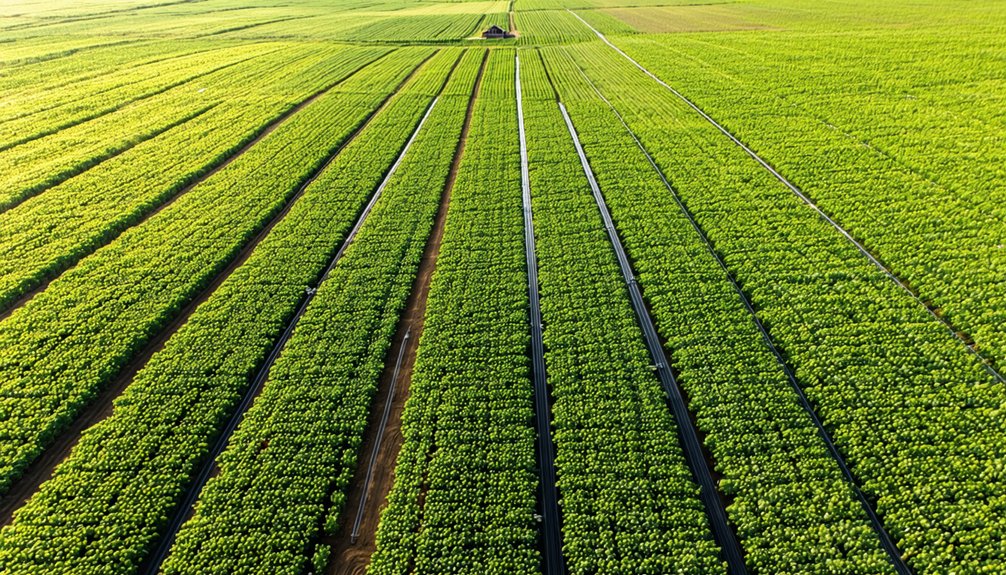
Various types of irrigation systems, including drip, sprinkler, and surface irrigation, each have distinct cost structures.
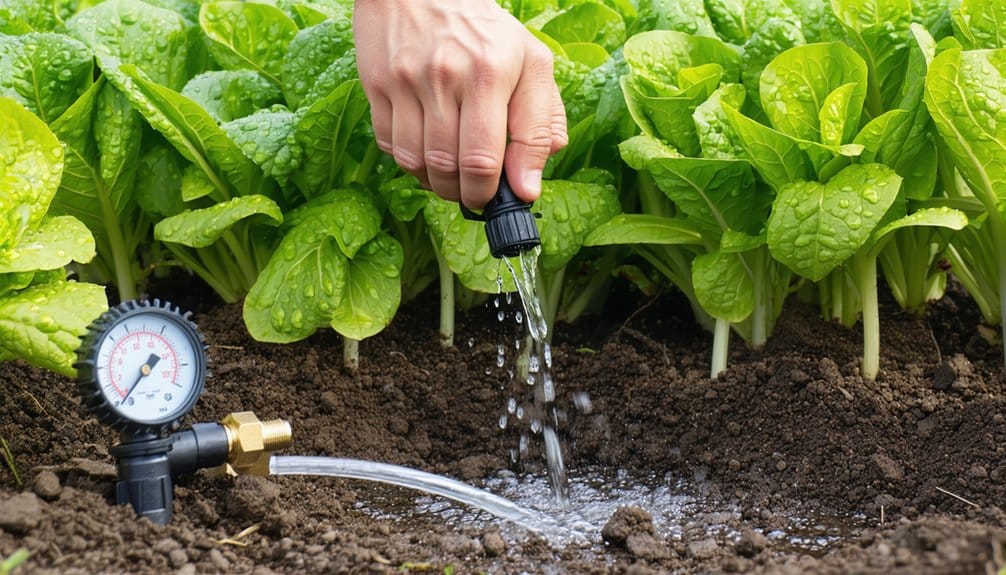
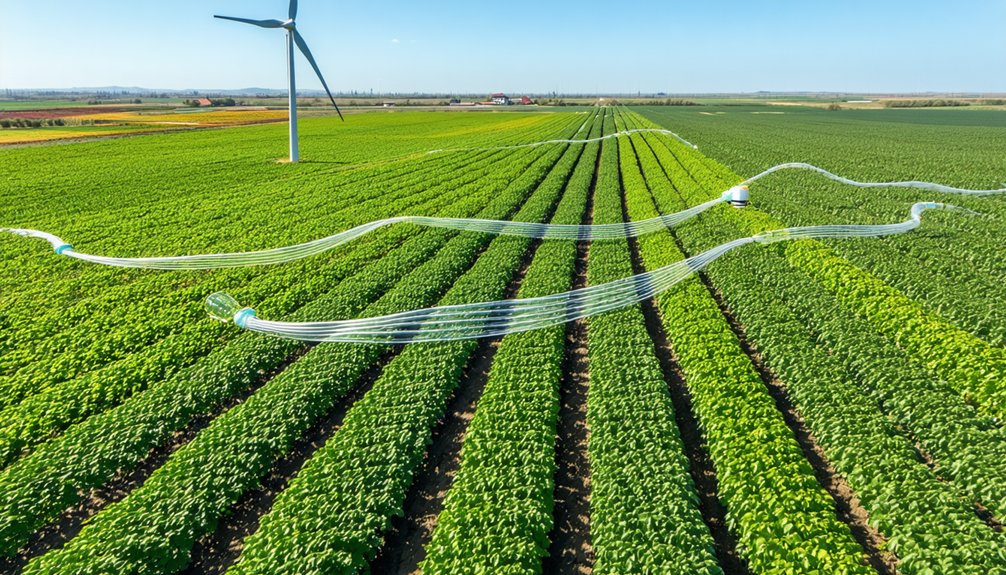
Drip irrigation, known for its efficiency, often incurs higher initial costs due to the installation of tubing and emitters but may reduce water usage over time.
Sprinkler systems, versatile and commonly used, can range widely in price depending on complexity and scale.
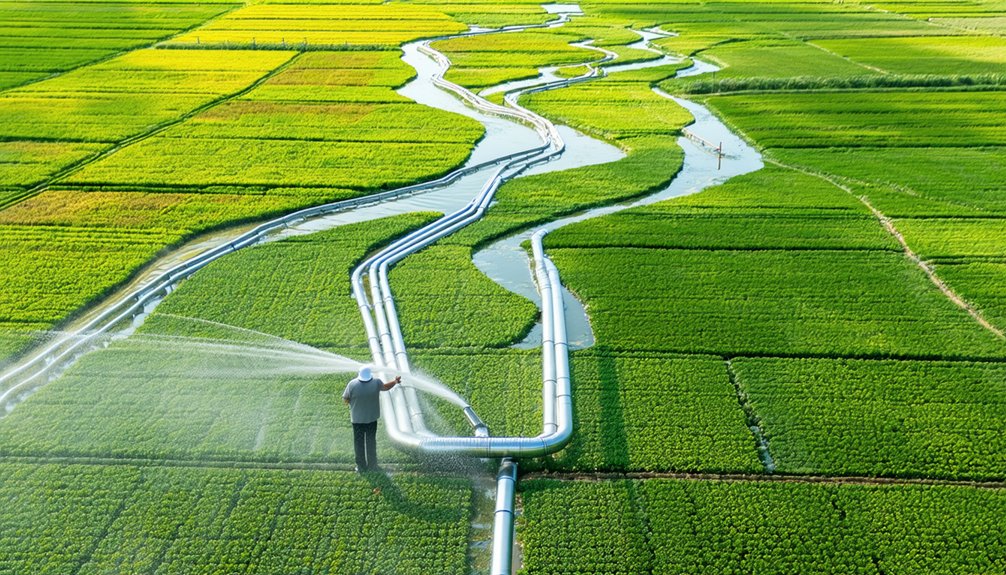
Surface irrigation tends to be the most economical option in terms of installation; however, it may require more water and management.
Understanding these types of irrigation systems and their cost structures is crucial for farmers to make informed decisions about their irrigation costs and practices.
Initial Investment vs. Long-Term Operating Costs
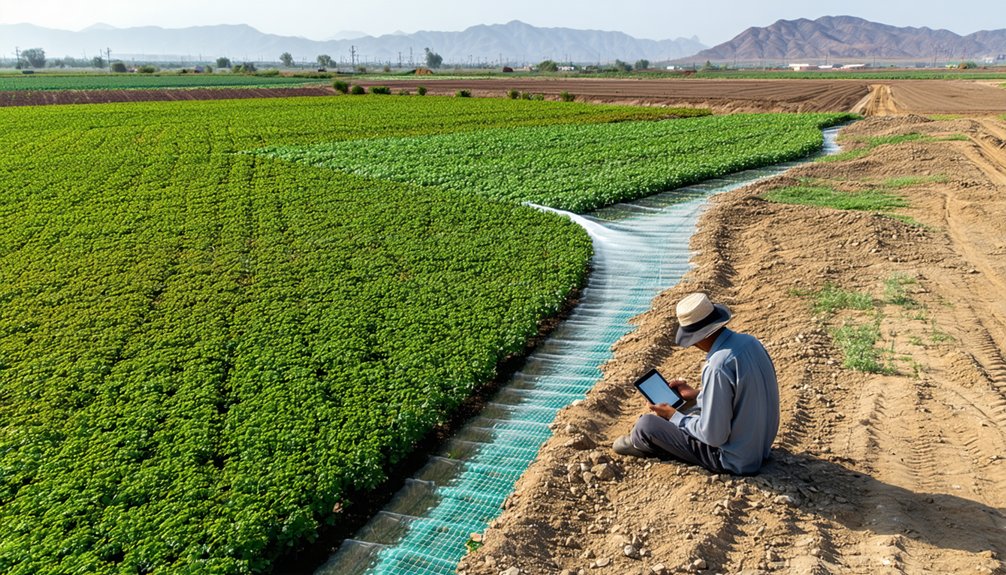
A significant consideration for farmers when selecting an irrigation system is the balance between initial investment and long-term operating costs. The initial investment typically encompasses the cost of purchasing and installing the system, which can vary significantly based on the technology and infrastructure chosen.
Conversely, long-term operating costs include maintenance, energy consumption, and water usage, which can accumulate over time. Effective budgeting for farm irrigation requires careful analysis of both facets.
While a lower initial investment might seem appealing, it may lead to higher long-term costs, making it essential for farmers to evaluate the sustainability of their choices. Ultimately, understanding this balance aids in making informed decisions that align with their financial strategies and agricultural goals.
Factors Influencing Irrigation System Costs
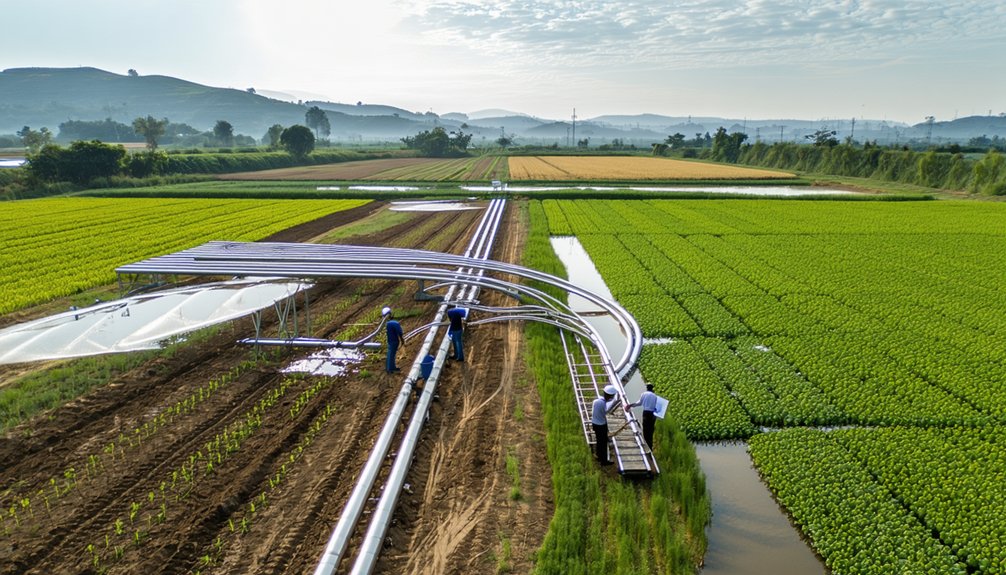
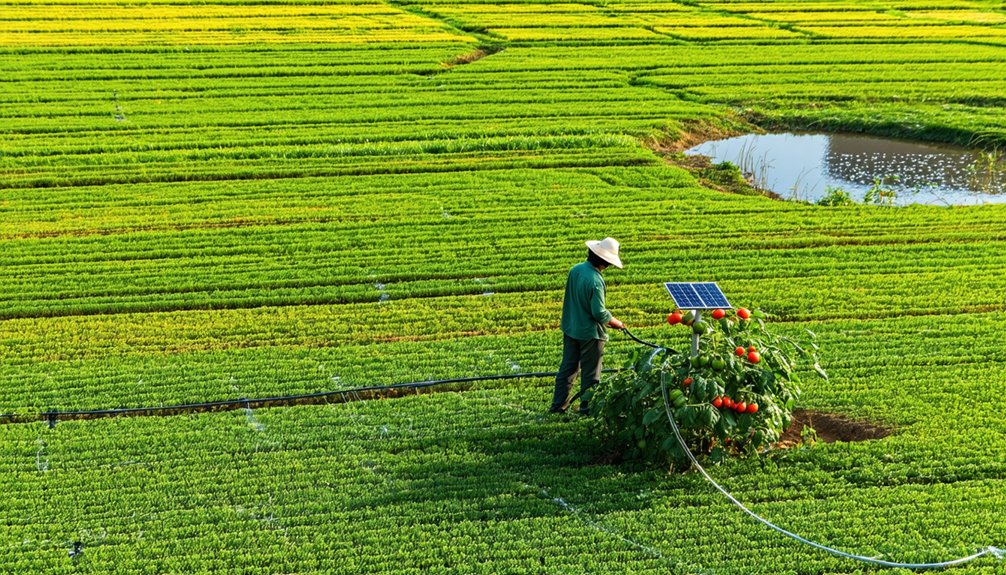
When selecting an irrigation system, various factors significantly impact overall costs. The type of farm irrigation system chosen plays a critical role, with options ranging from drip to pivot systems, each presenting unique advantages and expenses.
Additionally, the size of the agricultural land and the specific crop requirements dictate the scale of the installation, affecting both initial and ongoing costs. Local labor and material prices also contribute to the financial outlay, while water availability and quality can influence system efficiency and longevity.
Moreover, regulatory compliance and environmental considerations may add to the expenses associated with developing a sustainable irrigation system. Understanding these factors influencing irrigation system costs can aid farmers in making informed decisions aligned with their operational budgets.
Financial Assistance and Incentives for Farmers
Financial assistance and incentives play a crucial role in supporting farmers as they navigate the costs associated with implementing and maintaining irrigation systems. Various programs are available at federal, state, and local levels, aimed at reducing financial burdens. These may include grants, low-interest loans, and tax credits that encourage investment in efficient irrigation technologies.
Additionally, some initiatives focus on improving irrigation return on investment (ROI) by promoting practices that maximize water use efficiency and crop yields. By leveraging these financial resources, farmers can adopt advanced irrigation systems that not only enhance productivity but also contribute to sustainable agricultural practices.
Ultimately, such support helps farmers achieve long-term economic viability while fostering innovation within the agricultural sector.
Cost-Benefit Analysis of Implementing Irrigation Systems
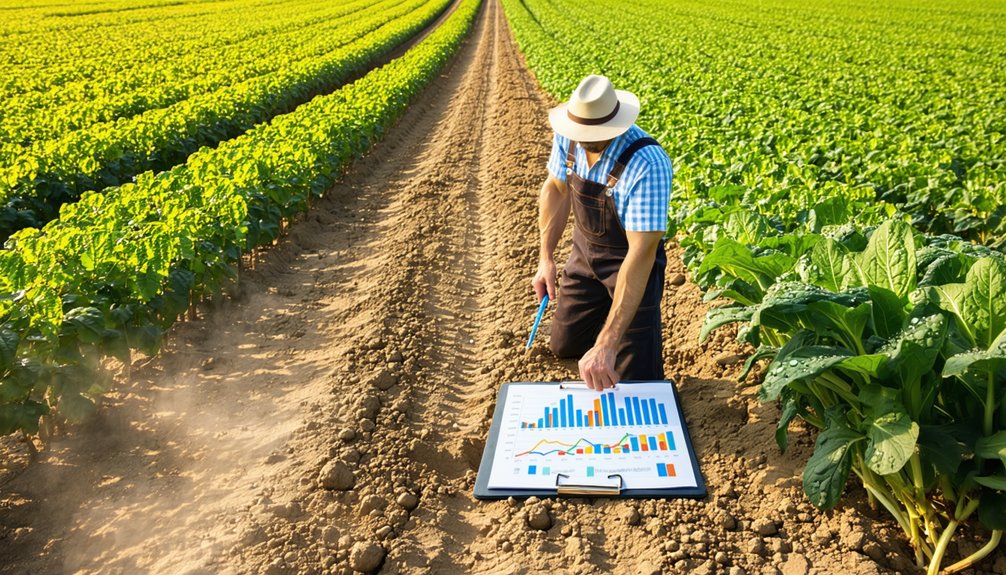
Evaluating the costs and benefits of implementing irrigation systems is vital for farmers considering such investments. A thorough cost-benefit analysis enables farmers to assess agriculture irrigation expenses against potential returns.
Initial costs typically include system installation, maintenance, and energy consumption, which can be significant. However, the advantages, such as increased crop yields, improved water efficiency, and reduced dependency on rainfall, often outweigh these initial expenses.
Additionally, irrigation systems can lead to more consistent production, enhancing overall farm profitability. Farmers must also consider the long-term sustainability and potential for future water regulations when analyzing these systems.
Conclusion
In conclusion, understanding the costs associated with various farm irrigation systems is essential for farmers seeking to enhance efficiency and sustainability. By analyzing initial investments alongside long-term operating expenses, as well as considering influential factors and available financial assistance, farmers can make informed decisions. A thorough cost-benefit analysis enables them to select the most suitable irrigation method, ultimately leading to improved crop yields and financial viability in the competitive agricultural landscape.