Installing an underground drip irrigation system offers numerous advantages for efficient water use in agriculture. However, understanding the associated costs is crucial. The expenses include various components, installation labor, and ongoing maintenance. Evaluating these costs against potential savings and benefits can be complex. As farmers seek sustainable practices, they must weigh their options carefully. What factors should they prioritize in their decision-making process?
Key Takeaways
- Installation costs include labor, materials like drip lines and emitters, and equipment rental, varying by project complexity and location.
- Key components such as mainline pipes, filters, and pressure regulators significantly influence overall expenses and maintenance needs.
- Long-term savings are achieved through reduced water bills and healthier plants, resulting in higher yields and lower labor costs.
- Regular maintenance, including checking for leaks and cleaning filters, incurs ongoing costs that should be budgeted for.
- Analyzing the cost-benefit ratio of installation versus long-term savings is essential for effective financial planning and resource conservation.
Overview of Underground Drip Irrigation Systems
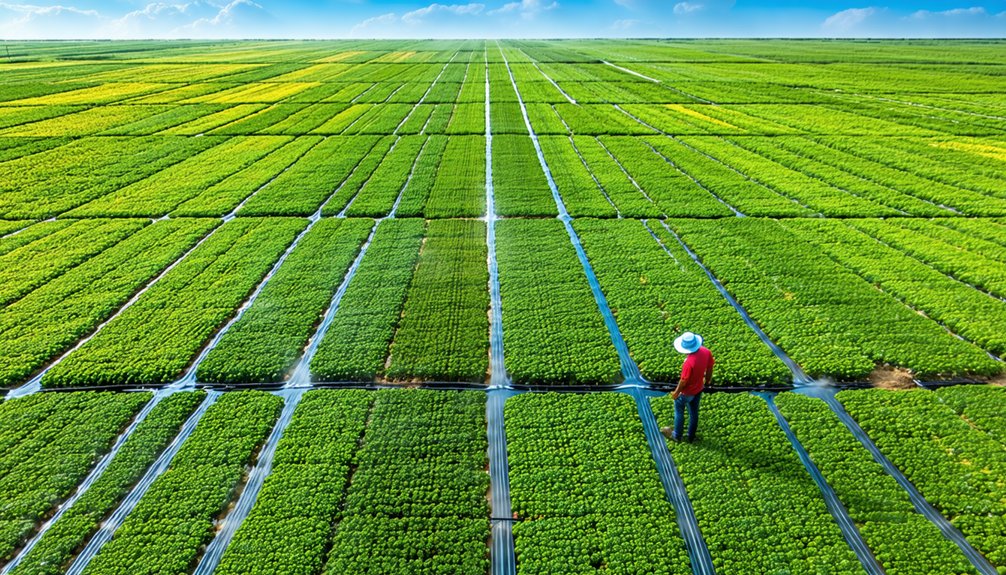
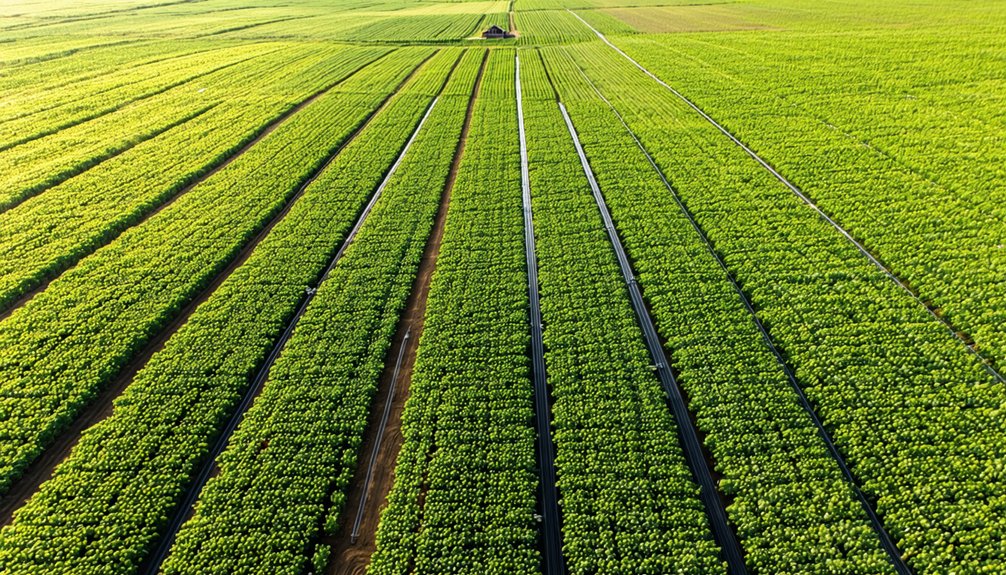
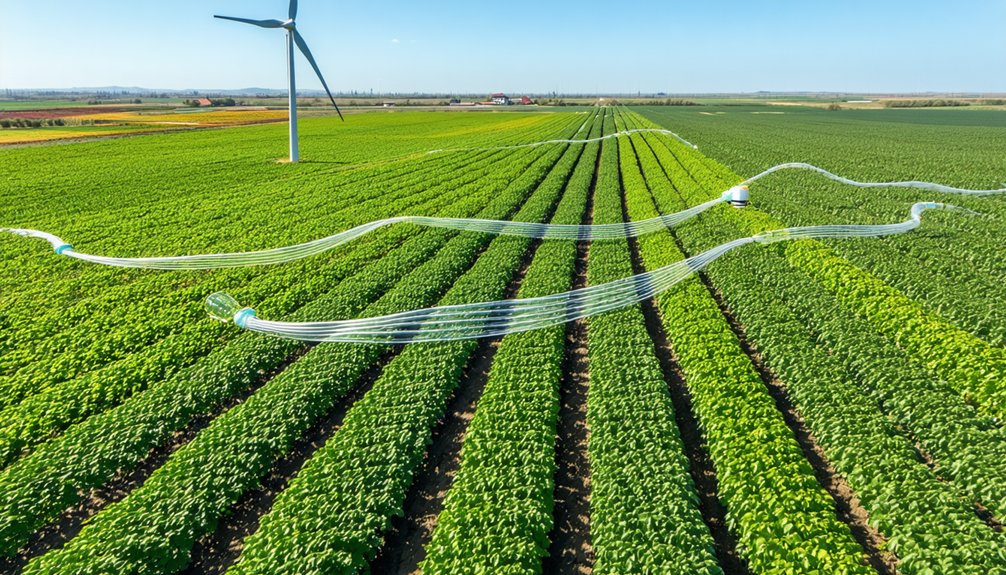
Underground drip irrigation systems represent a sophisticated approach to efficient water management in agriculture and landscaping. By delivering water directly to the root zones of plants, these systems minimize evaporation and runoff, making them an environmentally responsible choice.
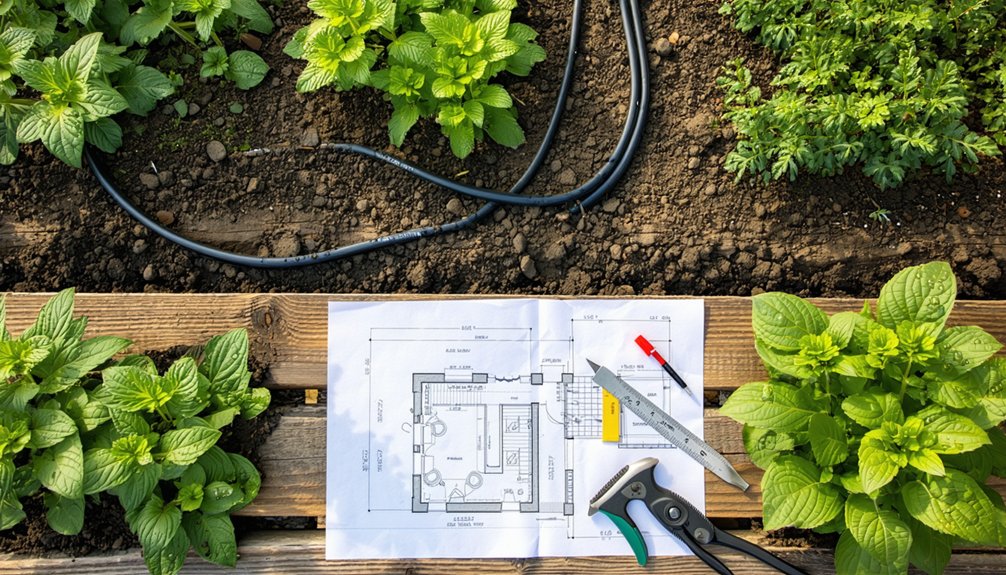
The installation process for drip systems typically involves careful planning and the placement of tubing underground, ensuring that plants receive optimal moisture without surface disruption. This method is particularly advantageous in regions facing water scarcity, offering a cost-effective irrigation solution that maximizes crop yields while conserving resources.
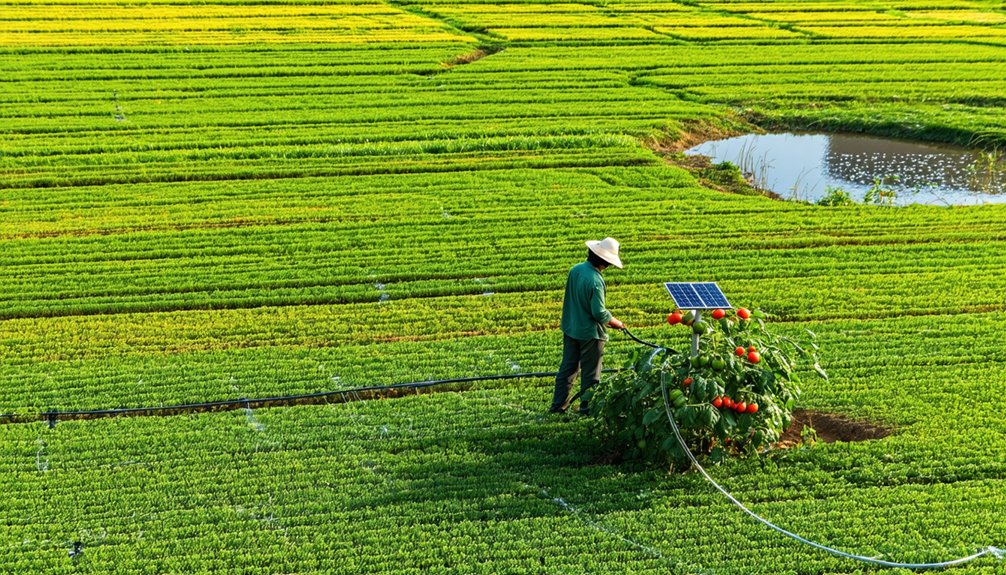
As farmers and landscapers seek sustainable practices, underground drip irrigation stands out as a reliable option that balances productivity and environmental stewardship, providing long-term benefits for both users and the ecosystem.
Key Components and Their Costs
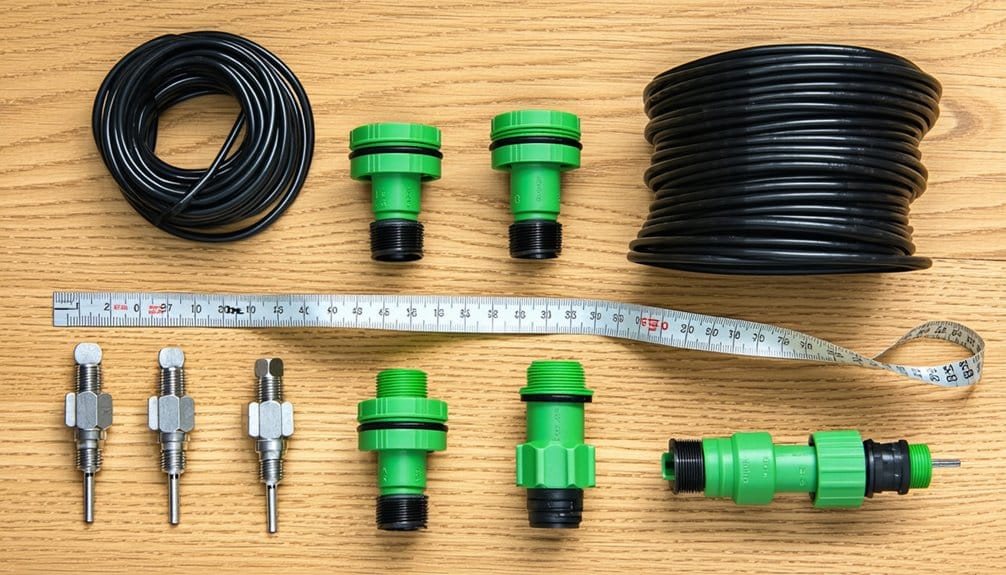
A successful drip irrigation system relies on several key components, each contributing to its overall effectiveness and efficiency.
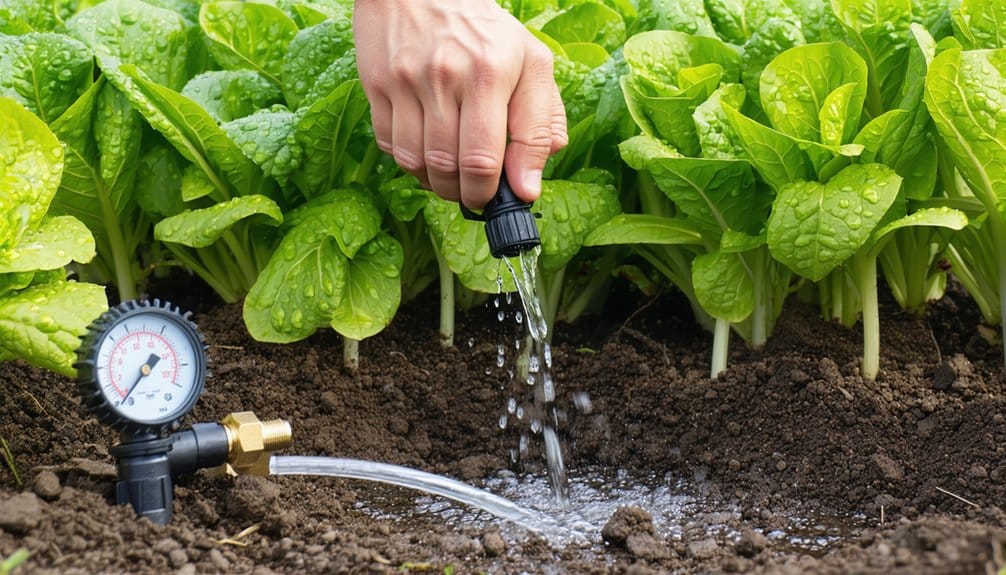
Essential parts include the mainline and sub-mainline pipes, drip tubing, emitters, filters, and pressure regulators. The mainline and sub-mainline pipes typically represent a significant portion of the irrigation system cost, while drip tubing and emitters are crucial for precise water delivery.
Filters ensure clean water reaches the system, preventing clogs, and pressure regulators maintain optimal pressure levels.
When planning a budget irrigation system, it is vital to account for these components, as their quality and specifications can greatly influence both initial expenses and long-term maintenance costs.
Understanding these elements helps in making informed decisions for effective irrigation solutions.
Installation Costs Breakdown
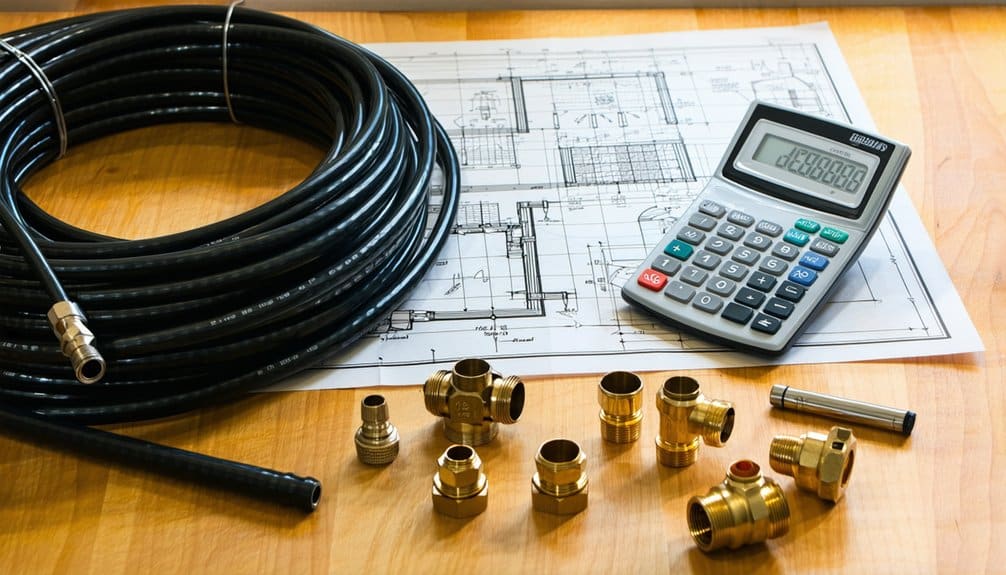
When considering the installation of a drip irrigation system, understanding the associated costs is crucial for effective budgeting.
Installation costs typically encompass labor, materials, and any necessary equipment rental. Labor expenses can vary depending on the complexity of the system and regional wage rates, often representing a significant portion of the total cost.
Material costs include drip lines, emitters, connectors, and stakes, which together form the backbone of the system.
Equipment rental, such as trenchers or water pumps, may also contribute to expenses, especially in larger projects.
Factors Influencing Overall Expenses
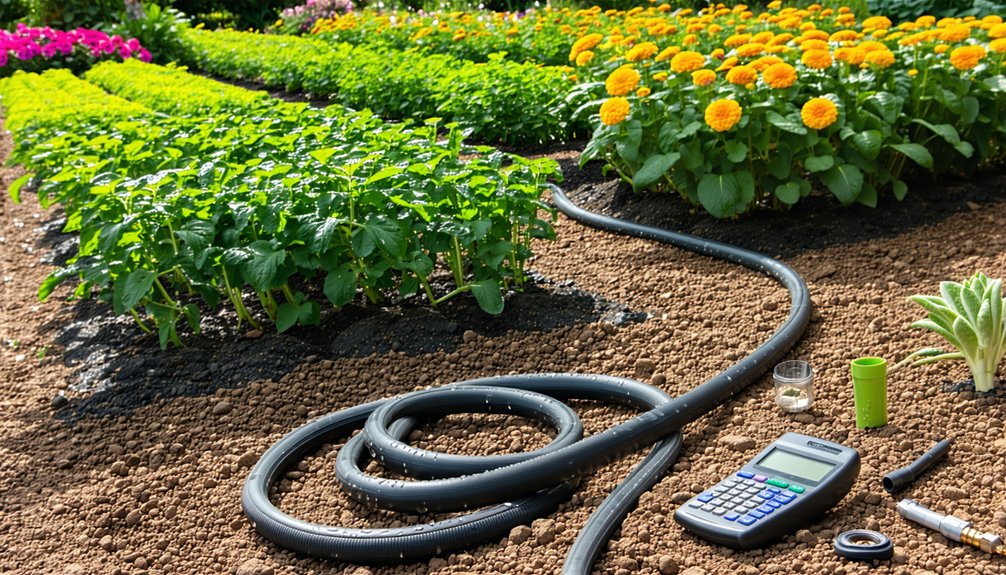
Numerous factors can significantly influence the overall expenses of installing a drip irrigation system. The size of the area to be irrigated plays a crucial role, as larger spaces require more materials and labor.
Soil type and terrain also affect costs; challenging landscapes may necessitate additional equipment or adjustments. The quality and type of materials chosen will impact the budget, with higher-quality components typically increasing expenses.
Labor costs vary by region and the complexity of installation. Additionally, any necessary permits or local regulations can impose extra fees.
Lastly, the choice between professional installation and a DIY approach can lead to significant variations in total costs. Each of these elements must be carefully considered to determine the overall expenditure.
Long-term Savings and Benefits
While initial installation costs for a drip irrigation system may seem high, the long-term savings and benefits often outweigh these upfront expenses.
Over time, these systems significantly reduce water usage by delivering moisture directly to plant roots, minimizing evaporation and runoff. This efficiency can lead to lower water bills, particularly in areas facing drought restrictions.
Additionally, drip irrigation promotes healthier plants by providing consistent moisture, which can result in higher yields and better-quality produce.
Furthermore, reduced labor costs are another advantage, as less frequent watering and maintenance are required.
With longevity in mind, quality drip systems can last for many years, providing ongoing financial and environmental benefits that justify the initial investment.
Comparing DIY vs. Professional Installation
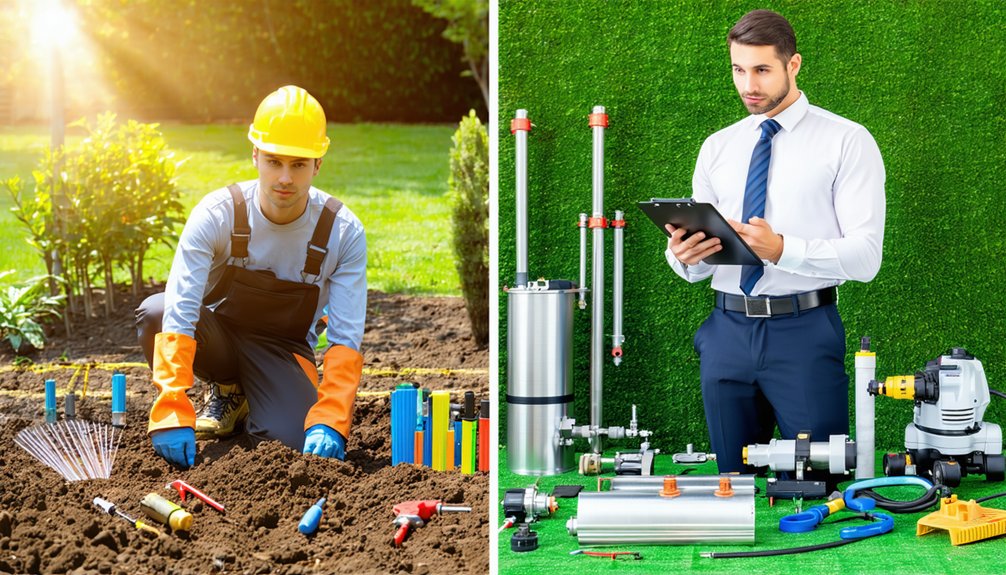
The decision to install a drip irrigation system often leads homeowners to consider their options between a DIY approach and hiring a professional.
A DIY installation can initially appear cost-effective, allowing homeowners to save on labor expenses. However, it requires a significant investment of time, research, and physical effort to ensure proper setup. Mistakes made during installation can lead to inefficient watering or future repairs, potentially offsetting initial savings.
Conversely, professional installation guarantees expertise, efficiency, and often includes warranties for the work done. While this option may incur higher upfront costs, the assurance of a correctly installed system can result in long-term benefits.
Ultimately, the choice between DIY and professional installation depends on budget, skill level, and desired outcome.
Maintenance Costs Over Time
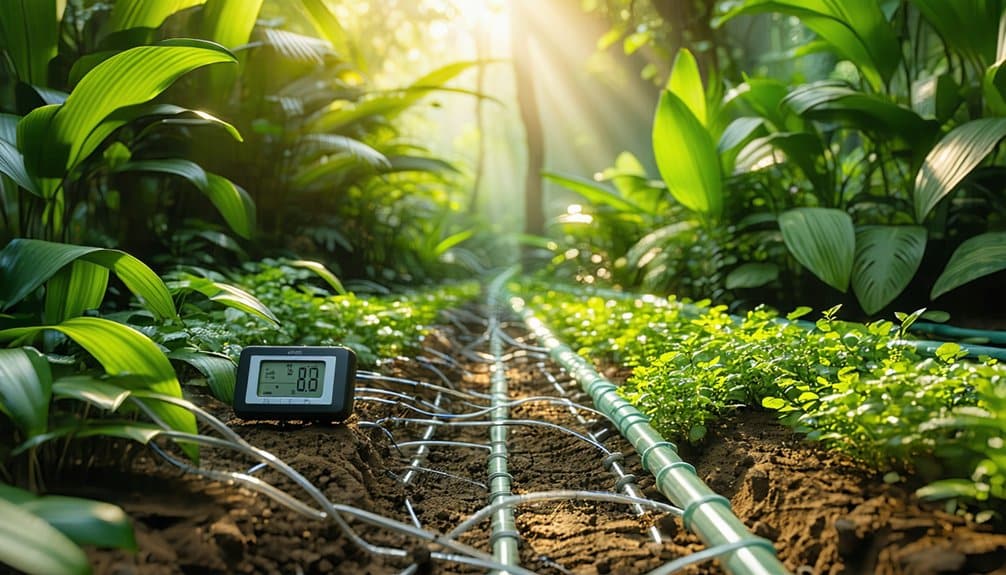
Maintenance costs over time for a drip irrigation system can significantly impact overall budget considerations.
Regular inspections, along with repair and replacement expenses, are essential to ensure optimal functionality.
Additionally, seasonal maintenance requirements must be factored in to maintain system efficiency and longevity.
Regular System Inspections
Regular system inspections play a crucial role in preserving the efficiency and longevity of a drip irrigation system. By conducting routine checks, property owners can identify potential issues such as clogged emitters, leaks, or root intrusions before they escalate.
These inspections typically involve examining all components, including tubing, connectors, and filters, ensuring they function optimally. Regular assessments not only help maintain consistent water distribution but also promote healthier plants by preventing over- or under-watering.
Furthermore, a proactive maintenance approach can lead to significant cost savings by reducing the need for extensive repairs later on. Establishing a schedule for inspections contributes to the overall effectiveness of the irrigation system and enhances its lifespan, making it a sound investment for agricultural and landscaping needs.
Repair and Replacement Expenses
Over time, repair and replacement expenses can significantly impact the overall cost of a drip irrigation system. Components such as pipes, emitters, and connectors may degrade or become damaged due to environmental factors, leading to the need for replacements.
Additionally, issues like clogs or leaks can arise, necessitating repairs. The frequency and cost of these repairs can vary based on the quality of the materials used and the local climate conditions.
Moreover, if the system is poorly installed or maintained, it may incur higher repair costs over its lifespan. Budgeting for these potential expenses is crucial for homeowners to ensure the long-term efficiency and functionality of their irrigation system while avoiding unexpected financial burdens.
Seasonal Maintenance Requirements
Although a drip irrigation system is designed for efficiency, seasonal maintenance is essential to ensure optimal performance throughout the year.
Regular maintenance tasks include inspecting the system for clogs, leaks, and damage, which can occur due to environmental factors. Over time, filters may need cleaning or replacement, and emitters can become blocked, reducing water flow.
Additionally, adjustments may be required based on seasonal weather changes, such as altering timer settings for varying rainfall. These maintenance activities contribute to ongoing costs, which should be factored into the overall budget.
Conclusion
In conclusion, understanding the costs associated with installing an underground drip irrigation system is crucial for farmers seeking sustainable agricultural practices. By evaluating the expenses of key components, installation, and ongoing maintenance, they can make informed decisions that align with their budget. The long-term savings on water usage and enhanced crop yields further underscore the value of this investment. Ultimately, whether opting for DIY or professional installation, careful planning can lead to significant benefits in agricultural efficiency and sustainability.