
The decision to install a pod irrigation system involves various financial considerations. Initial installation costs can be substantial, often deterring some farmers. However, the potential long-term benefits, such as improved crop yields and reduced water usage, merit careful evaluation. As sustainable practices gain traction in agriculture, the question remains: do the advantages truly justify the upfront investment? Exploring the intricacies of this system reveals insights that could influence farming practices for years to come.
Key Takeaways
- Initial installation costs include equipment, materials, and labor, impacting overall investment and financial planning.
- Long-term savings from reduced water usage and increased crop yields justify the initial costs over time.
- Ongoing maintenance expenses are necessary for system efficiency, including regular inspections and component replacements.
- Enhanced crop productivity and resilience contribute to higher profits, making the investment worthwhile in the long run.
- Environmental benefits, such as improved soil health and reduced runoff, further enhance the overall value of pod irrigation systems.
Understanding Pod Irrigation Systems
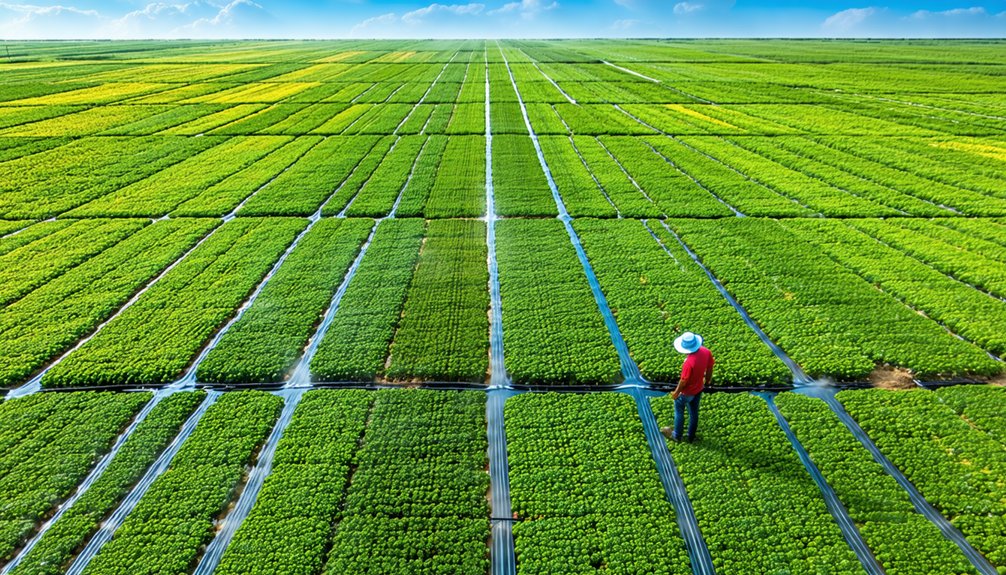
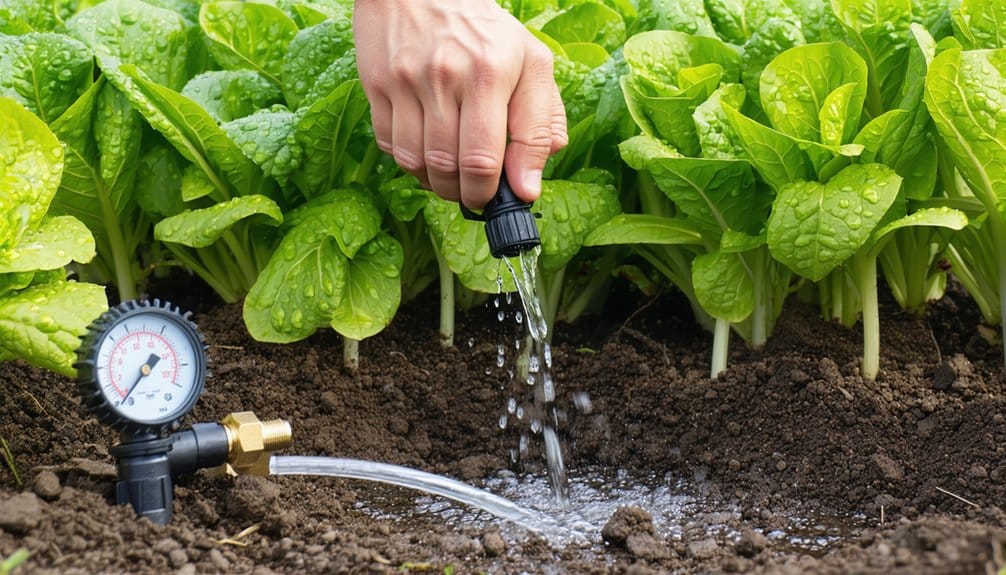
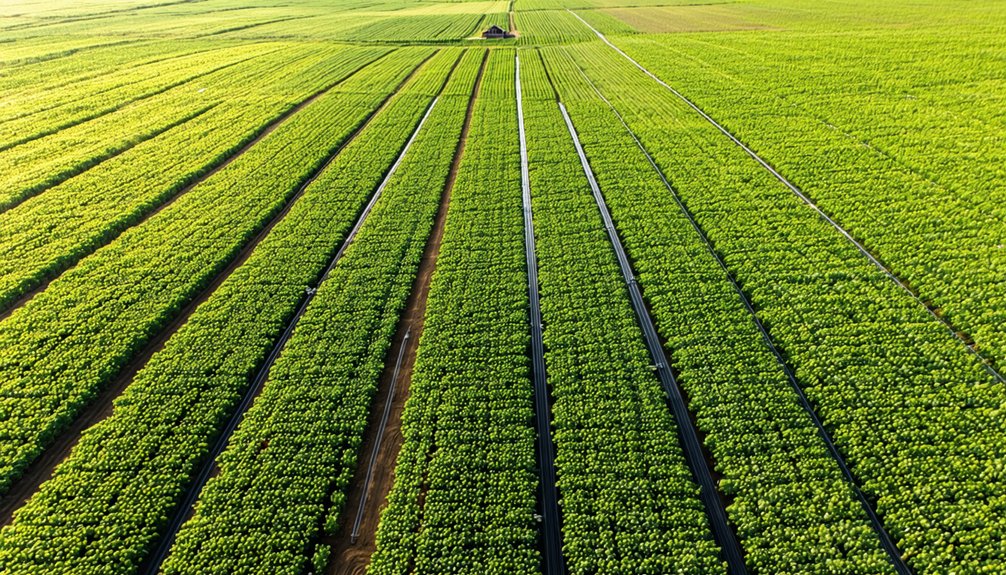
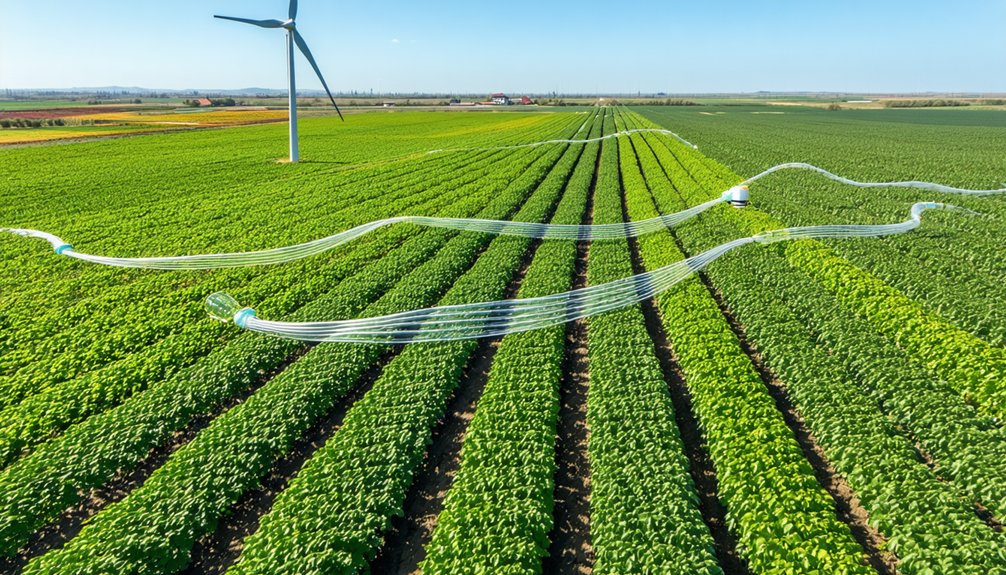
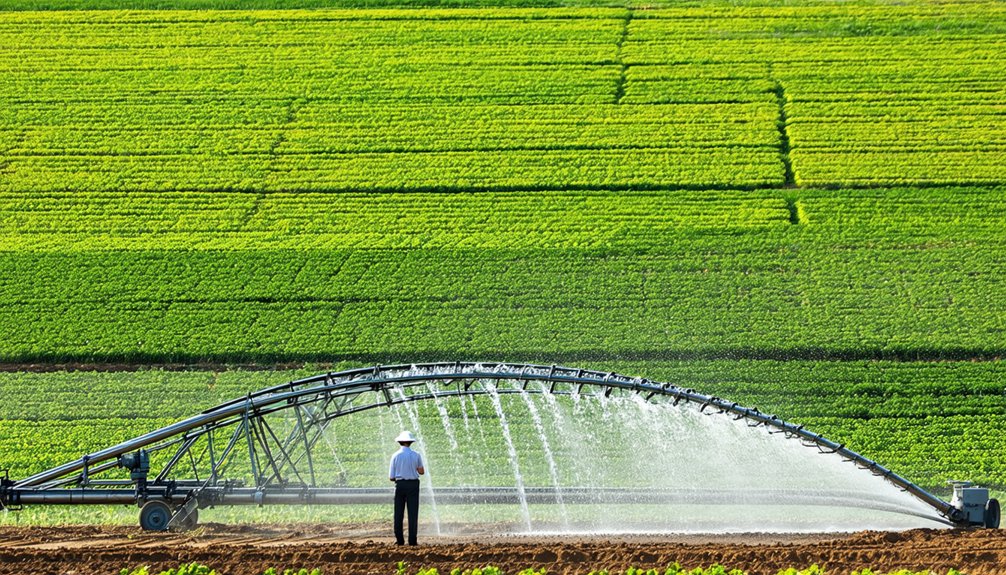
Although various irrigation methods exist, pod irrigation systems stand out for their efficiency and targeted water delivery. This innovative approach involves strategically placing pods that release water directly to the roots of plants, minimizing wastage.
When considering irrigation system installation, pod systems often present a compelling option due to their low operational costs. An irrigation cost comparison reveals that these systems generally require less water than traditional methods, leading to savings over time.
Additionally, the irrigation maintenance cost tends to be lower because the targeted approach reduces wear and tear on equipment. Overall, pod irrigation systems offer a sustainable solution for water management in agriculture, aligning with the goals of both efficiency and environmental stewardship.
Initial Installation Costs
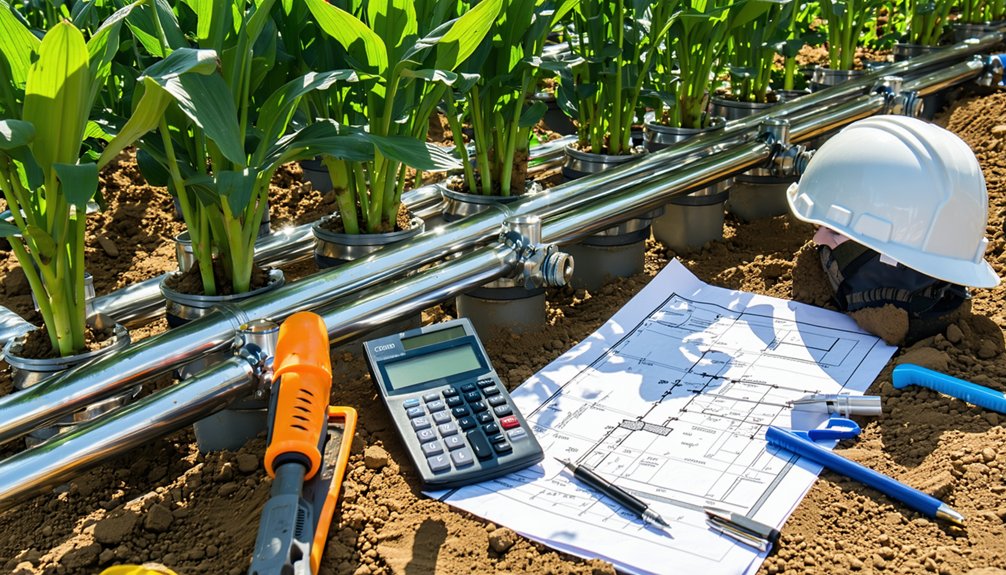
Initial installation costs for a pod irrigation system encompass various factors, including equipment and materials expenses, as well as labor costs.
A thorough understanding of these expenses is crucial for accurate budgeting and planning.
Additionally, considerations for maintenance and upkeep can influence the overall financial commitment required for such a system.
Equipment and Materials Expenses
A significant portion of the overall costs associated with a pod irrigation system is attributed to equipment and materials expenses during the initial installation phase.
These expenses can significantly impact the pod irrigation system cost and influence the potential irrigation ROI.
Essential components include:
- Pod units: These are the core elements that distribute water efficiently across the designated area.
- Piping and fittings: Necessary for connecting the pods to the water source, ensuring optimal flow and pressure.
- Control systems: Automated systems that regulate water delivery based on soil moisture levels and weather conditions.
Investing in high-quality materials can lead to long-term savings and increased efficiency, ultimately enhancing the overall return on investment for the irrigation system.
Labor Costs Overview
Labor costs represent a significant factor in the total expenses associated with installing a pod irrigation system. These costs typically encompass the wages paid to skilled technicians and laborers tasked with the installation process.
The complexity of the system and the size of the area being irrigated play crucial roles in determining labor expenses. Generally, more intricate installations require specialized skills, leading to higher labor costs.
Additionally, the local labor market can influence pricing, with urban areas often commanding higher rates than rural locales. Homeowners should account for these labor costs when budgeting for their pod irrigation system, as they can substantially impact overall financial considerations for the project.
Proper planning and obtaining multiple quotes can help manage these expenses effectively.
Maintenance and Upkeep Considerations
While the installation of a pod irrigation system may be a significant upfront investment, ongoing maintenance and upkeep are essential for ensuring its longevity and efficiency.
Regular attention to the system can prevent costly repairs and ensure optimal performance. Homeowners should consider the following aspects of maintenance:
- Seasonal Inspections: Checking for clogs and leaks to keep the system functioning smoothly.
- Component Replacements: Regularly replacing worn-out parts, such as filters and emitters, to maintain water distribution efficiency.
- Soil and Plant Health Monitoring: Assessing soil moisture levels and plant health to adjust irrigation schedules as needed.
Long-term Maintenance Expenses
Long-term maintenance expenses for a pod irrigation system encompass several key factors.
Routine system checks are necessary to ensure optimal functionality, while component replacement costs can arise over time due to wear and tear.
Additionally, seasonal adjustments may be required to adapt to changing environmental conditions, further impacting overall maintenance budgets.
Routine System Checks
Regularly conducting routine system checks is essential for the longevity and efficiency of a pod irrigation system. These checks ensure that the system operates smoothly and prevents potential issues from escalating into costly repairs.
By routinely inspecting the system, users can identify problems early on, thus maintaining optimal performance.
- Monitoring water pressure levels to ensure proper distribution
- Inspecting pod emitters for blockages or wear, promoting efficient watering
- Assessing timer and control settings for accurate scheduling
Ultimately, consistent maintenance safeguards the investment, ensuring that the irrigation system remains effective and reliable over time.
Component Replacement Costs
Component replacement costs are a critical consideration for maintaining a pod irrigation system over time. Various components, such as valves, tubing, and emitters, may wear out or become damaged due to environmental factors and regular use.
Over time, these replacements can accumulate, impacting the overall cost-effectiveness of the system. For instance, emitters may require replacement every few years, while tubing can last longer but may still be susceptible to leaks and blockages.
Additionally, unexpected repairs from component failures can lead to unplanned expenses, further complicating budget management. Property owners should factor in these potential costs when evaluating the long-term financial commitment of a pod irrigation system, ensuring they are prepared for ongoing maintenance and replacement needs.
Seasonal Adjustments Needed
As seasons change, adjustments to the pod irrigation system become essential to ensure optimal performance and efficiency. Neglecting these seasonal modifications can lead to inefficient water usage and potential damage to plants. Regular inspections and recalibrations help maintain the system’s functionality, contributing to long-term cost savings.
Key adjustments include:
- Winterization: Draining water from the system to prevent freezing damage and ensure spring readiness.
- Spring Calibration: Fine-tuning water delivery rates based on emerging plant needs as temperatures rise.
- Fall Shutdown: Reducing watering frequency and preparing the system for colder months to conserve resources.
These seasonal adjustments necessitate ongoing maintenance expenses, but they ultimately safeguard the investment and promote healthier growth throughout the year.
Water Conservation Benefits
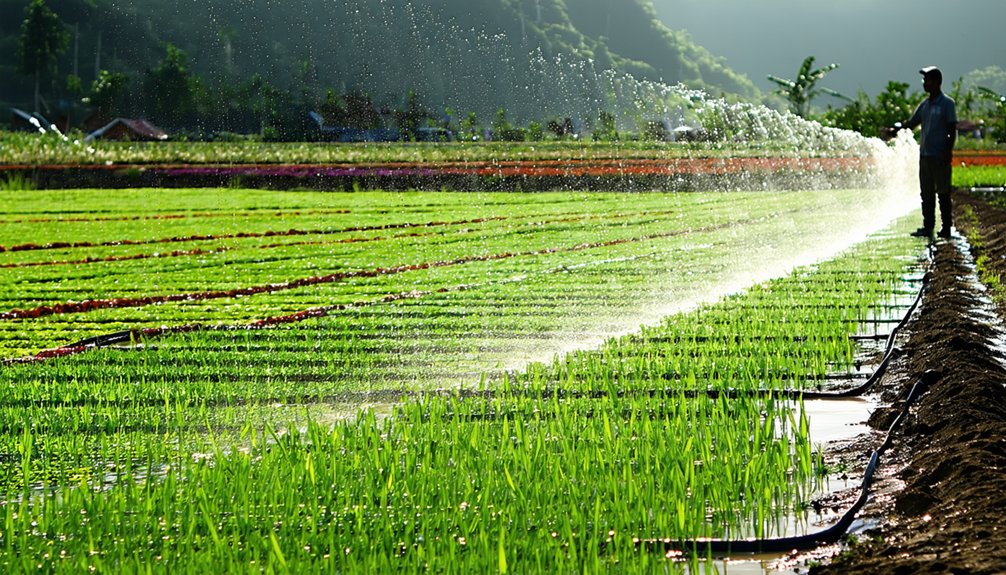
Although traditional irrigation methods often lead to significant water waste, pod irrigation systems offer a more efficient alternative that conserves precious resources.
By delivering water directly to the root zones of plants, pod systems minimize evaporation and runoff, ensuring that more water reaches its intended destination. This targeted approach allows for precise control over water application, significantly reducing the overall volume required for effective irrigation.
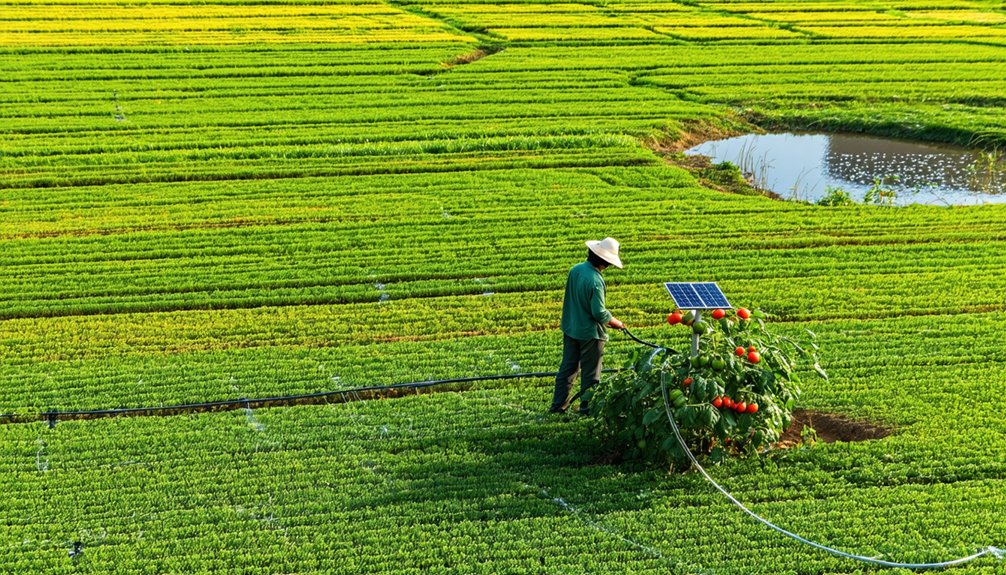
Additionally, pod systems can be easily integrated with rainwater collection and other sustainable practices, further enhancing their water conservation capabilities.
As water scarcity becomes an increasing concern globally, the adoption of pod irrigation not only supports sustainable agriculture but also promotes responsible water usage, making it a vital consideration for environmentally conscious farmers.
Impact on Crop Yield
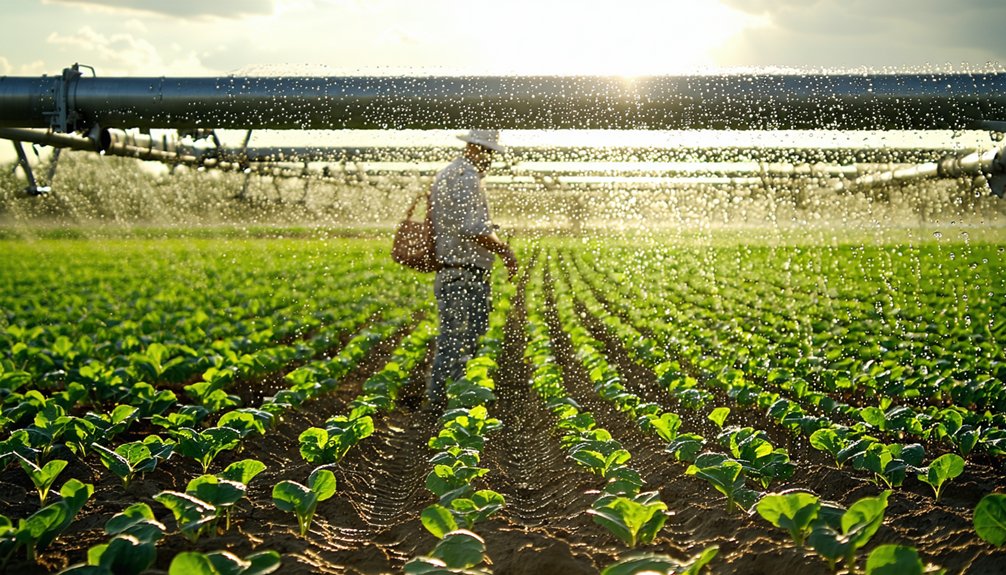
How does pod irrigation influence crop yield? Studies indicate that pod irrigation can significantly enhance crop productivity. By delivering water directly to the root zone, this system minimizes water waste and ensures plants receive the necessary moisture for optimal growth.
Moreover, pod irrigation can lead to improved nutrient uptake, resulting in healthier crops.
- Increased crop uniformity, leading to a more consistent harvest.
- Enhanced drought resilience, allowing crops to thrive even in dry conditions.
- Higher quality produce, with improved taste and market value.
Farmers adopting pod irrigation often witness a marked increase in both yield and quality, making it a compelling option for sustainable agriculture.
Labor Cost Considerations
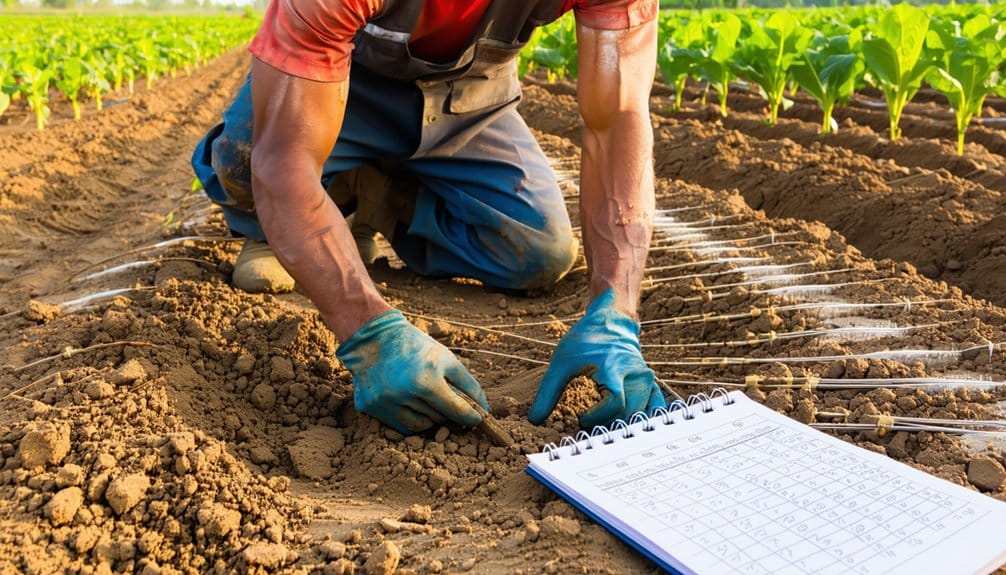
While implementing a pod irrigation system offers numerous benefits, labor cost considerations play a crucial role in its overall feasibility.
The installation process typically requires skilled labor for both setup and ongoing maintenance, which can significantly impact the total investment. Depending on the complexity of the system and the prevailing wage rates, labor costs can vary widely.
Additionally, training existing staff or hiring specialized technicians may add to the expenses. It’s essential to factor in the time required for installation and potential disruptions to regular farming activities.
Environmental Advantages
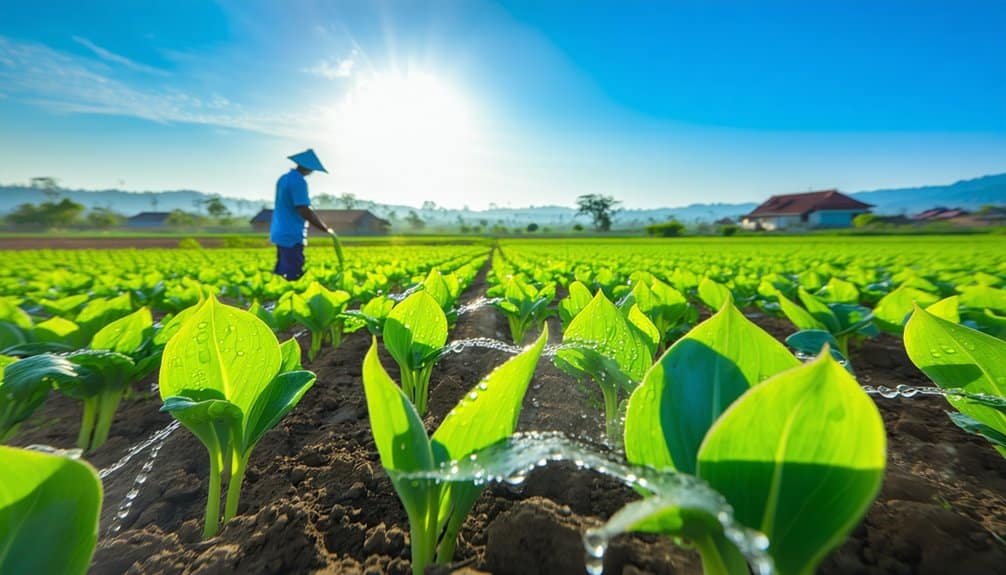
Pod irrigation systems offer significant environmental advantages, particularly in water conservation and soil health improvement.
By delivering water directly to plant roots, these systems minimize waste and promote efficient usage.
Additionally, improved soil moisture retention contributes to enhanced soil quality and fertility over time.
Water Conservation Benefits
As communities increasingly prioritize sustainable practices, the introduction of pod irrigation systems presents significant water conservation benefits.
These systems allow for targeted water delivery, minimizing waste and ensuring that plants receive optimal moisture. The efficiency of pod irrigation contributes to a reduction in overall water usage, making it a vital tool in combating water scarcity.
- Precision watering: Water is delivered directly to the root zone, preventing evaporation and runoff.
- Reduced water bills: Less water usage translates into lower utility costs for households and businesses.
- Drought resilience: By conserving water, communities can better withstand periods of low rainfall, maintaining agricultural productivity and ecosystem health.
Soil Health Improvement
The implementation of pod irrigation systems not only conserves water but also significantly enhances soil health. By delivering water directly to the root zone, these systems reduce surface runoff and erosion, allowing for better nutrient absorption.
This targeted approach minimizes soil compaction and maintains optimal moisture levels, fostering a thriving microbial ecosystem. Improved soil health leads to increased organic matter, which enhances nutrient retention and improves soil structure.
Additionally, pod irrigation systems can reduce the need for chemical fertilizers, as healthy soil supports natural nutrient cycling. Ultimately, healthier soil contributes to greater crop resilience against pests and diseases, promoting sustainable agricultural practices while also benefiting the environment.
The environmental advantages of this approach extend far beyond mere water conservation.
ROI and Payback Period
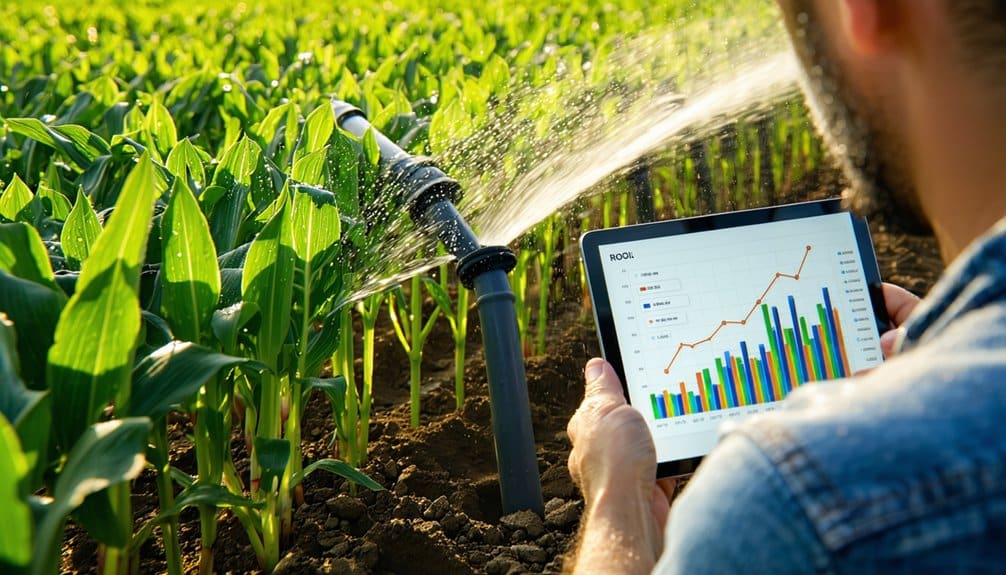
How can farmers effectively evaluate the financial benefits of a pod irrigation system? Understanding the return on investment (ROI) and payback period is crucial.
Farmers can assess the savings from reduced water usage and increased crop yields, which directly contribute to revenue. The payback period reflects how long it will take to recoup the initial investment through these savings.
- Improved crop resilience leading to higher profits
- Decreased water bills as irrigation efficiency rises
- Enhanced soil health resulting in better long-term yields
Alternative Irrigation Methods
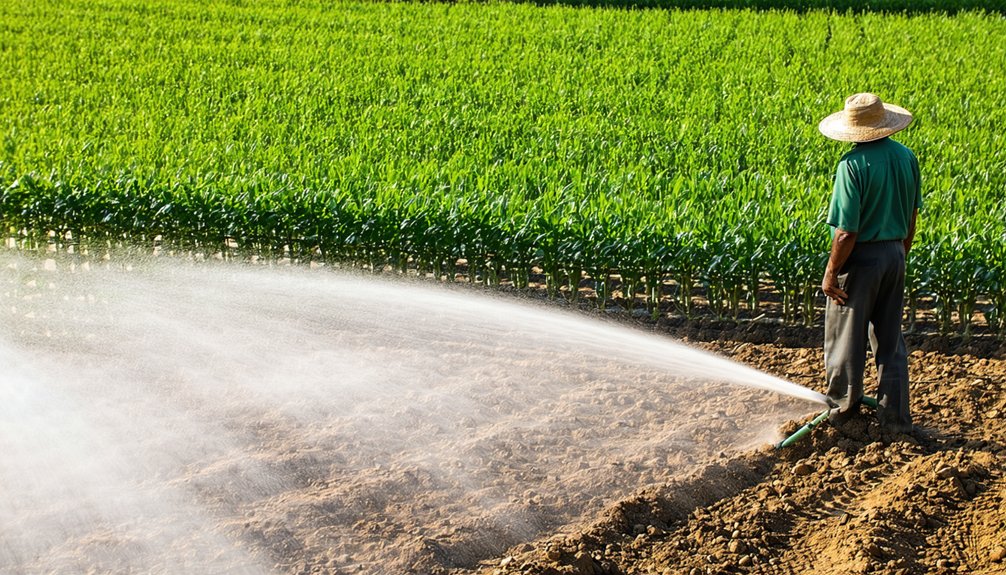
While pod irrigation systems offer distinct advantages, farmers often explore alternative irrigation methods to find the best fit for their specific needs.
Drip irrigation, for instance, delivers water directly to the plant roots, minimizing waste and promoting efficiency.
Sprinkler systems, another popular choice, can cover large areas and are versatile in application.
Surface irrigation, involving gravity flow across fields, remains a traditional method, particularly for crops that thrive in wet conditions.
Additionally, subsurface irrigation, which places water below the soil surface, can optimize moisture levels while reducing evaporation.
Each of these methods presents unique benefits and challenges, allowing farmers to select an approach that aligns with their resource availability, crop type, and environmental conditions, ultimately influencing their agricultural productivity and sustainability.
Factors Influencing Overall Value
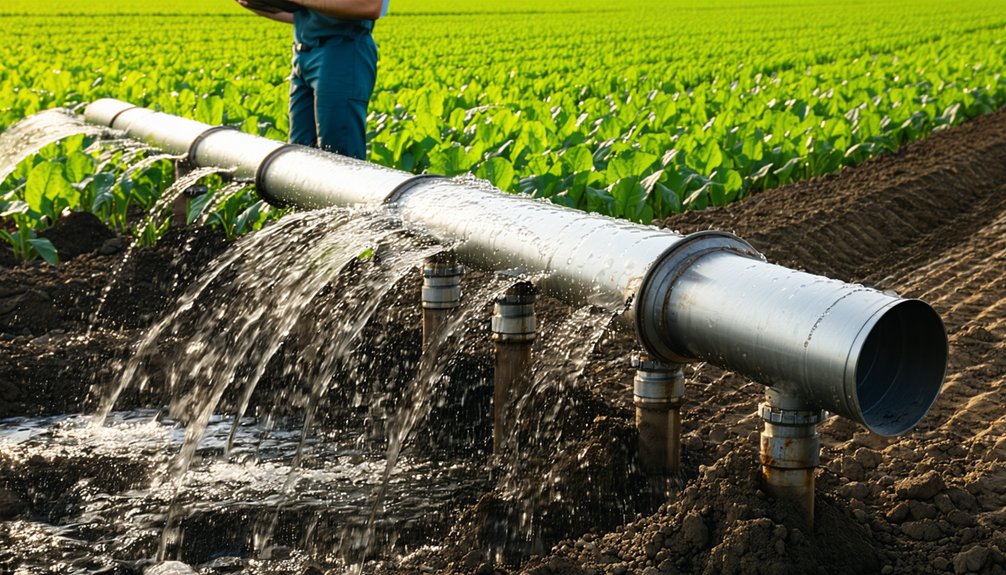
When evaluating the overall value of a pod irrigation system, several critical factors come into play. The initial installation cost is a significant consideration, as it can vary widely based on system complexity and field size.
Additionally, long-term maintenance expenses can impact the system’s value; routine inspections and repairs contribute to ongoing financial commitments.
Lastly, the system’s water efficiency and its ability to promote healthy plant growth can offer substantial benefits, ultimately justifying the investment.
- Initial Installation Cost: A crucial upfront expense that sets the stage for overall budgeting.
- Maintenance Requirements: Regular upkeep demands attention and resources over time.
- Water Efficiency: The potential for reduced water usage can enhance sustainability and lower utility bills.
Conclusion
In conclusion, while the initial investment in a pod irrigation system may be substantial, the long-term advantages, including water conservation, enhanced crop yields, and reduced operational costs, present a compelling case for adoption. By promoting sustainable agricultural practices and improving soil health, these systems not only benefit individual farmers but also contribute positively to the environment. Ultimately, the financial return on investment, along with the broader ecological impacts, makes pod irrigation a worthwhile consideration for modern agricultural practices.