
The financial implications of boom irrigation systems warrant careful consideration. Initial investments can be substantial, encompassing equipment and installation costs. However, ongoing expenses such as energy and maintenance must also be factored in. While the potential for increased crop yields exists, so do the associated environmental impacts. Understanding these elements is crucial for farmers contemplating this technology. What long-term benefits might offset the upfront costs?
Key Takeaways
- Initial investment for boom irrigation systems ranges from $10,000 to $50,000, including installation and control system costs.
- Ongoing operational costs are influenced by energy efficiency, water usage, and crop types impacting overall expenses.
- Regular maintenance is crucial, with costs including skilled labor for inspections and repairs to ensure system longevity.
- Financial incentives like tax breaks and grants can significantly reduce the effective cost of adopting boom irrigation systems.
- Long-term savings and higher crop yields make boom irrigation more cost-effective compared to traditional irrigation methods.
Understanding Boom Irrigation Systems
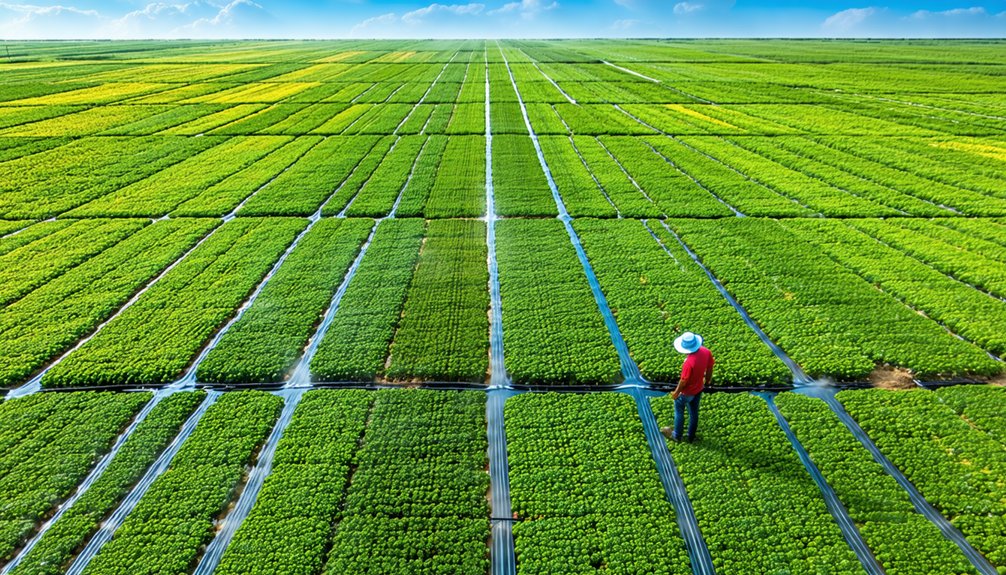
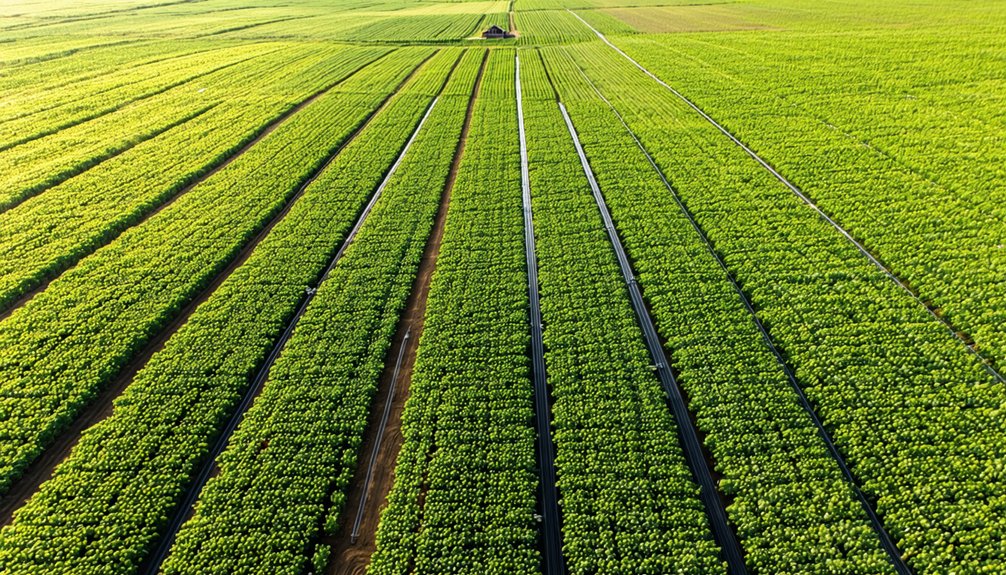
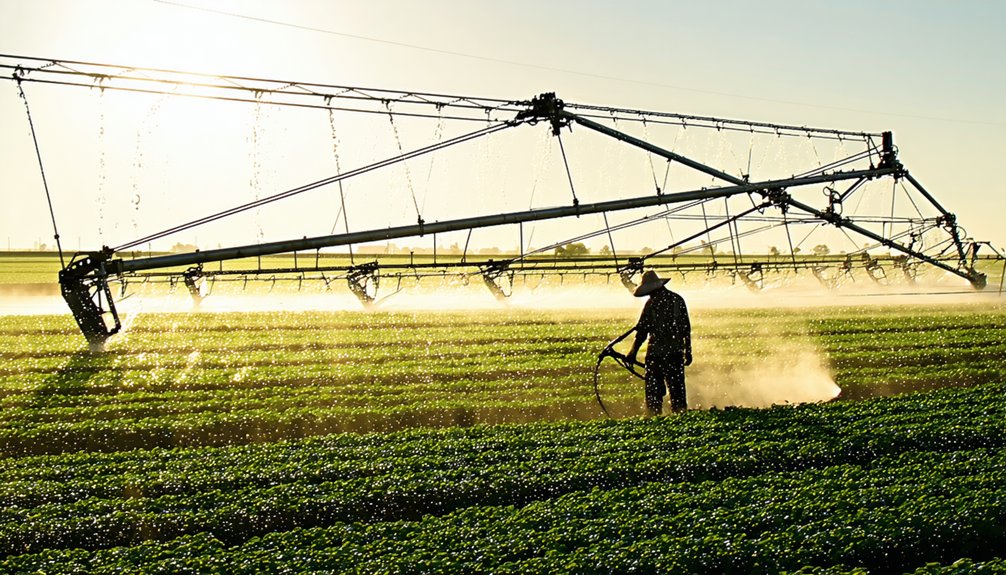
Although various irrigation methods exist, boom irrigation systems stand out for their efficiency and effectiveness in delivering water to crops. These systems utilize large, mobile booms that traverse fields while spraying water over crops, ensuring uniform distribution. The design allows for quick adjustments in coverage, making them suitable for diverse agricultural irrigation needs.
During irrigation installation, farmers can opt for fixed or portable configurations, depending on their specific land requirements. Boom irrigation systems not only conserve water but also minimize labor costs associated with traditional methods.
Initial Investment: Equipment and Installation Costs
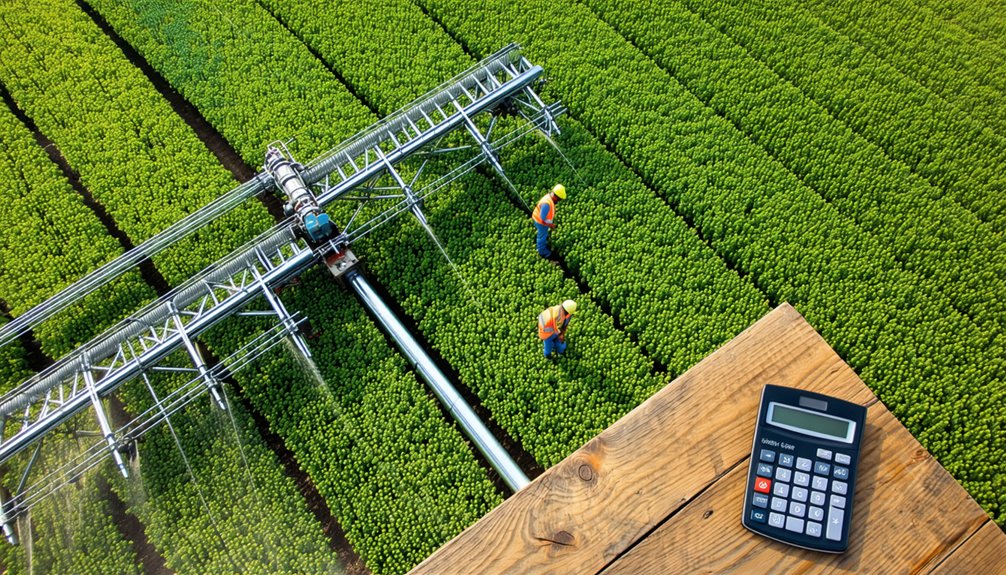
Investing in boom irrigation systems involves significant initial costs related to equipment and installation. These expenses can vary widely based on system size, complexity, and specific requirements of the agricultural operation. Below is a breakdown of typical initial investment costs associated with boom irrigation systems:
| Item | Estimated Cost Range | Considerations |
|---|---|---|
| Boom Irrigation Equipment | $10,000 – $50,000 | Type and size of the system |
| Installation Costs | $5,000 – $15,000 | Labor and site preparation |
| Control Systems | $2,000 – $8,000 | Automation features |
| Pipeline Infrastructure | $3,000 – $12,000 | Material and length |
| Initial Maintenance Setup | $1,000 – $5,000 | First-year irrigation maintenance costs |
Understanding these irrigation costs is crucial for effective budget planning.
Operating Costs: Energy and Water Consumption
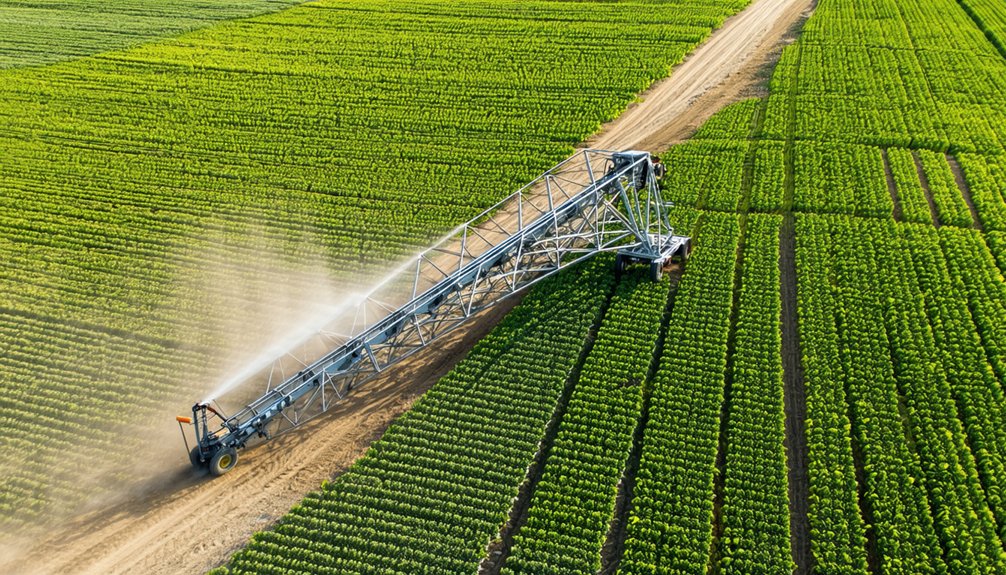
Operating costs for boom irrigation systems largely hinge on energy efficiency and water consumption.
Understanding the balance between these two factors is crucial for maximizing operational effectiveness and minimizing expenses. A thorough analysis can reveal opportunities for reducing both energy usage and water waste, leading to more sustainable practices.
Energy Efficiency Considerations
As energy costs continue to rise, the importance of energy efficiency in irrigation systems becomes increasingly paramount. Boom irrigation systems, which utilize motorized components for operation, often incur significant energy expenses. Enhancing energy efficiency can lead to substantial cost savings, making it a critical consideration for farmers and operators.
Key factors impacting energy consumption include the type of pump used, system design, and operational practices. Selecting energy-efficient pumps, optimizing system layout, and maintaining equipment can significantly reduce energy usage.
Additionally, integrating automation and advanced control technologies can help manage energy consumption more effectively, ensuring that systems operate at peak efficiency. Ultimately, prioritizing energy efficiency not only lowers operational costs but also contributes to sustainable agricultural practices.
Water Usage Analysis
Water usage analysis plays a crucial role in understanding the overall operating costs associated with boom irrigation systems. Efficient water consumption directly impacts agricultural productivity and financial sustainability. By evaluating the volume of water used, farmers can identify potential savings and optimize their irrigation practices.
Maintenance Expenses: Regular Checks and Repairs
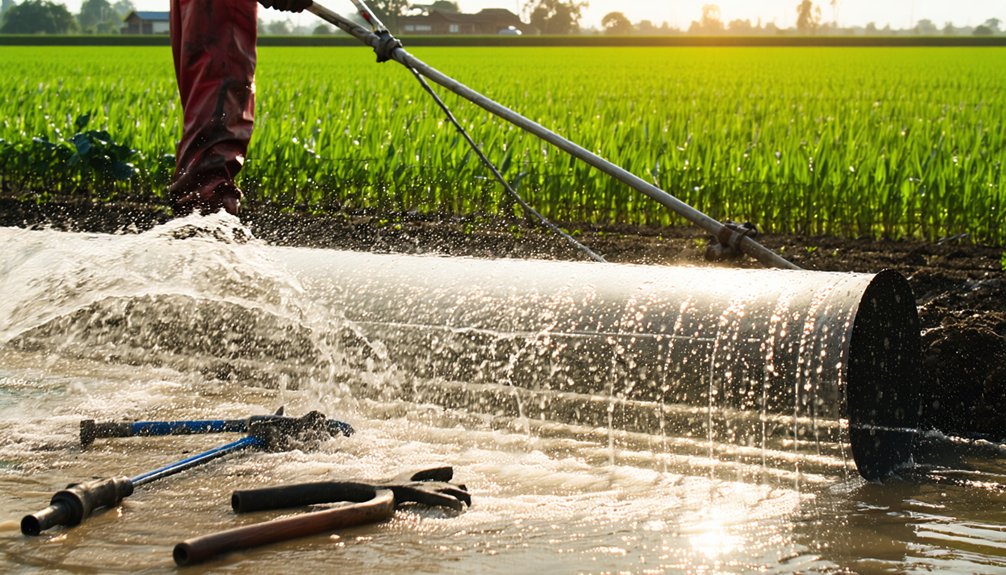
Although maintenance expenses may seem like a burden, they are essential for ensuring the longevity and efficiency of boom irrigation systems.
Regular checks and repairs play a critical role in identifying potential issues before they escalate into costly problems. Routine inspections help in detecting leaks, blockages, and wear on components, allowing for timely interventions.
Additionally, replacing worn-out parts can prevent system malfunctions during peak usage periods. The costs associated with these maintenance activities vary based on system complexity and the frequency of checks; however, investing in upkeep can lead to significant savings in the long run by enhancing system performance and reducing water waste.
Ultimately, proper maintenance is crucial for optimal irrigation outcomes and sustainable agricultural practices.
Labor Costs: Hiring and Training Personnel
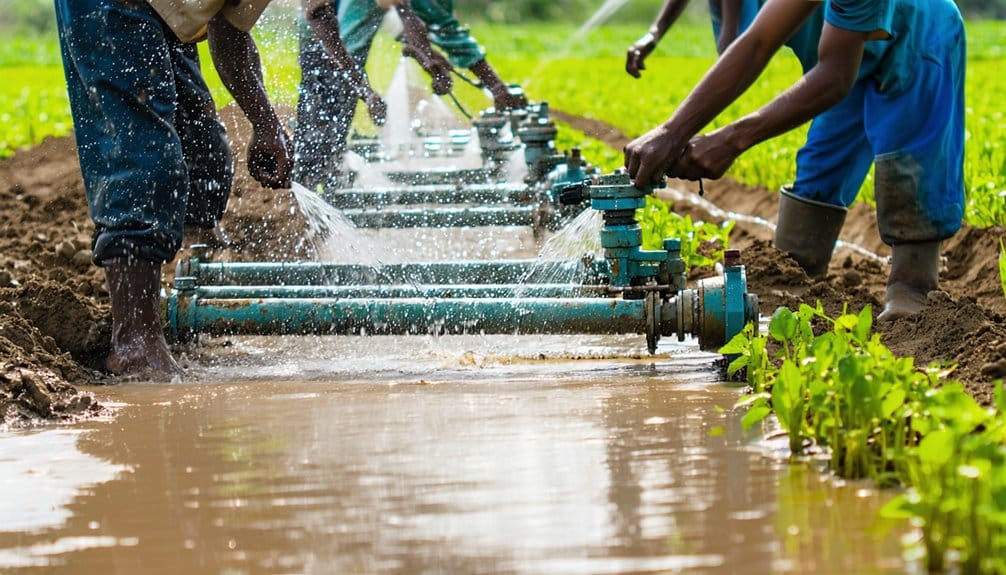
Effective maintenance of boom irrigation systems not only involves regular checks and repairs but also requires skilled personnel to execute these tasks efficiently. Labor costs associated with hiring and training these individuals can significantly impact the overall budget. Organizations must account for wages, benefits, and ongoing training programs to ensure employees remain competent in the latest technologies and practices.
| Cost Category | Estimated Amount |
|---|---|
| Initial Hiring | $40,000 |
| Training Programs | $5,000 |
| Annual Salaries | $50,000 |
| Benefits | $15,000 |
| Equipment for Training | $3,000 |
Investing in skilled labor not only enhances system performance but also minimizes long-term operational issues.
Financial Incentives and Subsidies
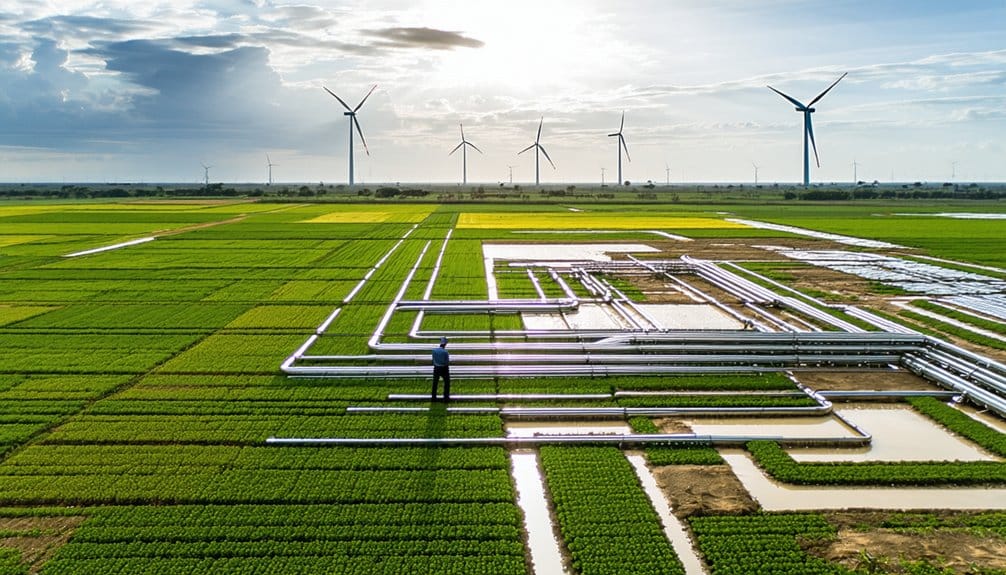
Financial incentives and subsidies play a crucial role in encouraging the adoption and maintenance of boom irrigation systems, as they can significantly offset the initial investment costs. Various government programs and agricultural grants provide financial support to farmers looking to implement advanced irrigation technologies.
These incentives may include tax breaks, low-interest loans, or direct cash grants, making it more feasible for farmers to invest in efficient irrigation systems. Additionally, some organizations offer technical assistance and training, further enhancing the value of these financial incentives.
Cost Comparison: Boom vs. Other Irrigation Methods
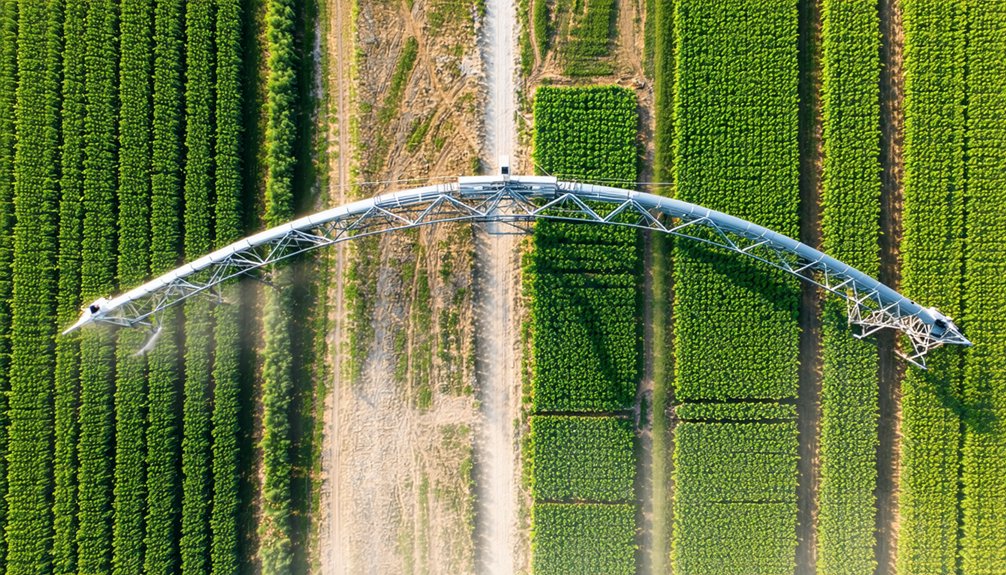
When comparing irrigation methods, boom irrigation systems often stand out due to their cost-effectiveness relative to traditional techniques like drip or flood irrigation. Their initial investment may be higher, but the operational efficiency can lead to substantial savings over time.
Unlike drip systems that require extensive maintenance, boom irrigation functions with less downtime, reducing labor costs and increasing productivity.
- Increased efficiency means more time for family and community.
- Lower water usage promotes environmental sustainability.
- Enhanced crop yields can secure farmers’ livelihoods.
- Reduced maintenance costs alleviate financial stress.
- Improved yield consistency fosters a sense of security in uncertain markets.
These factors contribute to the growing preference for boom irrigation among modern agricultural practices.
Long-term Savings and Return on Investment
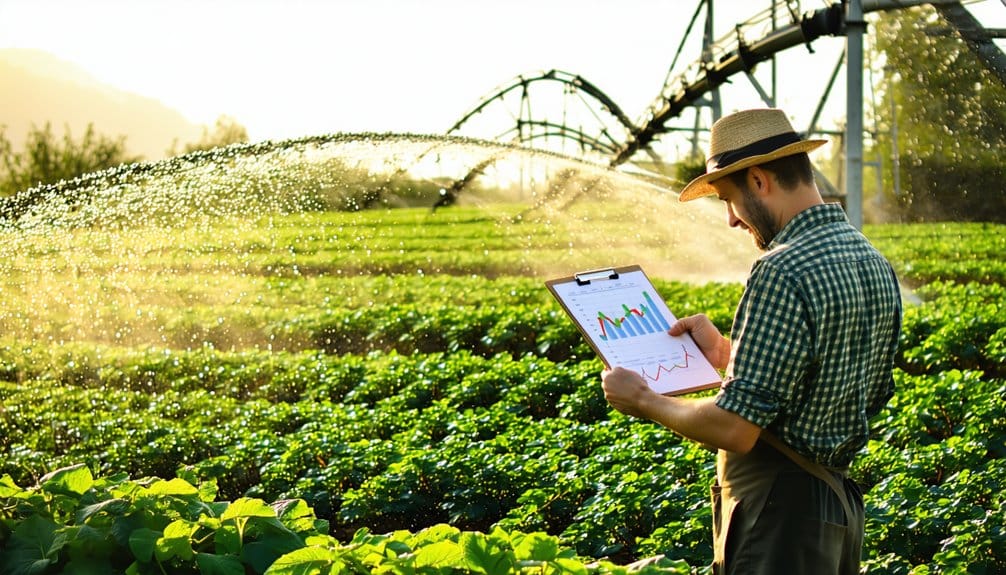
Long-term savings and return on investment are critical considerations for farmers evaluating boom irrigation systems.
These systems, while initially costly, often yield significant savings over time through enhanced efficiency and reduced water usage. By minimizing labor and operational costs, farmers can achieve a faster payback period.
The automation features of boom irrigation allow for precise water application, resulting in healthier crops and higher yields. Additionally, the durability of boom systems can lead to lower maintenance costs compared to traditional irrigation methods.
Over years of operation, the cumulative benefits can markedly improve a farm’s profitability. Thus, farmers must carefully assess their specific conditions to determine the potential long-term financial advantages of adopting boom irrigation technology.
Environmental Impact and Associated Costs
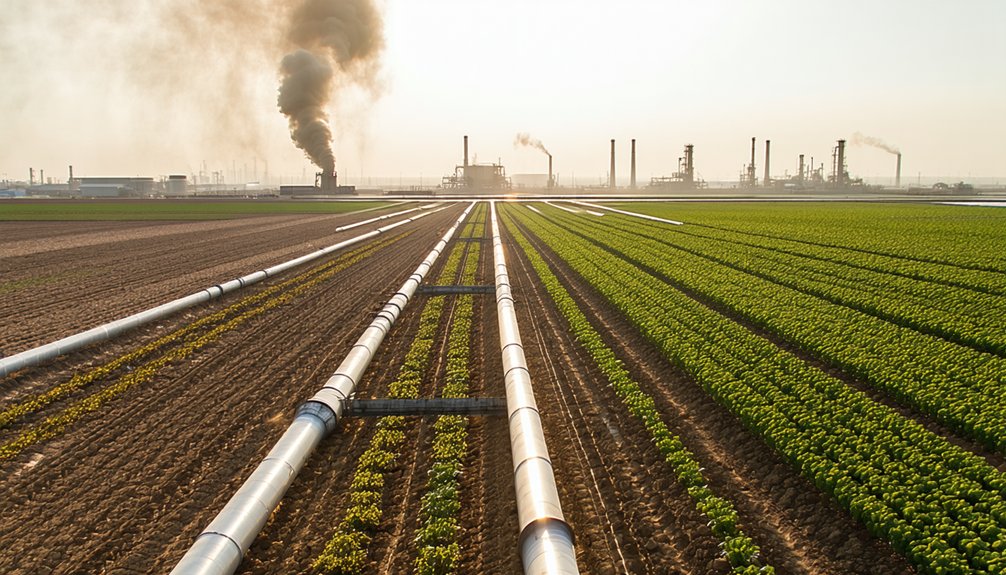
While evaluating boom irrigation systems, it is essential to consider their environmental impact and associated costs. These systems, while efficient in water usage, can lead to several ecological concerns. The over-extraction of water can deplete local aquifers, impacting surrounding ecosystems and agricultural viability.
Additionally, the reliance on chemical fertilizers and pesticides can result in soil degradation and water pollution.
- Loss of biodiversity in affected areas
- Increased greenhouse gas emissions from energy use
- Soil erosion and nutrient depletion
- Contamination of local water sources
- Long-term sustainability challenges for farming communities
Understanding these factors is crucial for making informed decisions regarding the implementation of boom irrigation systems while prioritizing environmental health.
Future Trends in Boom Irrigation Pricing
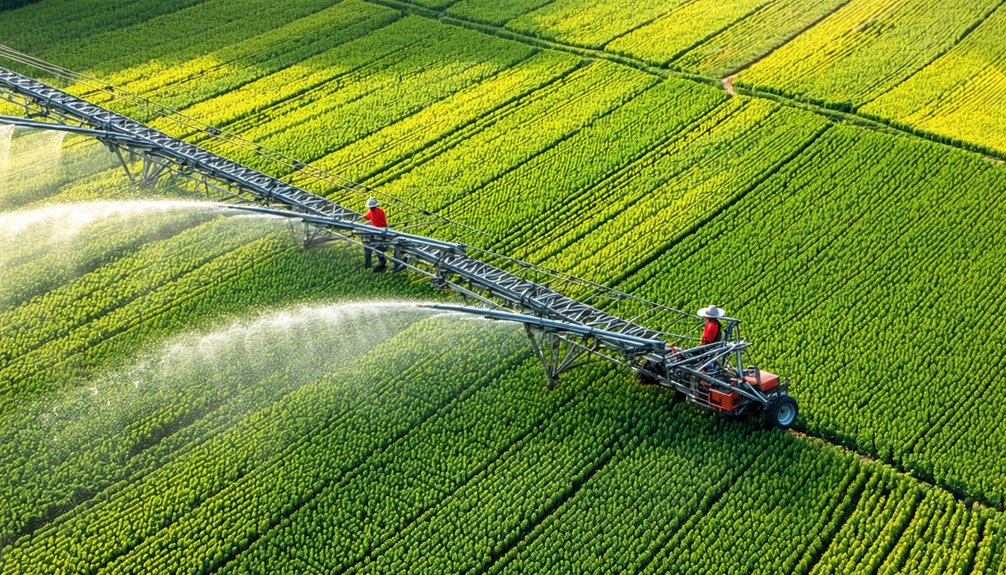
As the agricultural sector evolves, future trends in boom irrigation pricing will likely be influenced by technological advancements and changing market demands.
Innovations in irrigation technology may reduce operational costs, while fluctuations in demand can affect pricing structures.
Understanding these dynamics will be crucial for stakeholders aiming to navigate the financial landscape of boom irrigation systems.
Technological Advancements Impacting Costs
Technological advancements are poised to significantly influence the pricing structure of boom irrigation systems, shaping the future landscape of agricultural practices. Innovations such as precision agriculture, automation, and advanced sensor technologies promise to enhance efficiency and reduce costs.
As these technologies become more integrated, farmers may experience a shift in initial investment versus long-term savings. Factors like improved water management and energy-efficient systems contribute to this evolving cost framework.
- Increased crop yields, fostering hope for farmers
- Reduced water waste, promoting sustainability
- Enhanced efficiency, saving valuable time
- Greater accessibility for smallholders, empowering communities
- Future-ready systems, ensuring resilience against climate challenges
Market Demand Fluctuations
Market demand for boom irrigation systems is expected to fluctuate in response to various factors, including climate variability, changing agricultural practices, and shifting consumer preferences. As farmers adapt to new environmental conditions and technological innovations, demand may rise or fall. The need for sustainable agriculture practices is also influencing market dynamics.
| Factor | Impact on Demand | Future Trend |
|---|---|---|
| Climate Variability | Increased investment | Growth in demand |
| Agricultural Practices | Shift towards efficiency | Steady demand |
| Consumer Preferences | Rise in organic produce | Higher demand |
| Technological Advances | Enhanced productivity | Sustained demand |
Understanding these trends will be crucial for stakeholders in predicting pricing fluctuations and aligning strategies accordingly.
Conclusion
In conclusion, the comprehensive analysis of boom irrigation systems reveals a complex financial landscape that extends beyond initial investments. While upfront costs may seem daunting, the long-term benefits, including increased crop yields and reduced operational expenses, can significantly enhance a farm’s profitability. By understanding these multifaceted costs and potential returns, farmers can make informed decisions that align with their agricultural goals. As technology advances, the future of boom irrigation promises further efficiency and sustainability in farming practices.