
The financial aspects of hose reel irrigation systems warrant careful examination. Initial investments include equipment, installation, and infrastructure. Annual maintenance costs can vary significantly, impacting overall expenses. Energy consumption and labor costs also play a crucial role in the financial equation. A comparison with alternative irrigation methods reveals interesting insights. Understanding these dynamics can unveil potential long-term advantages that may influence agricultural decisions. What factors should farmers prioritize in their investment strategies?
Key Takeaways
- Initial investment in hose reel irrigation systems includes equipment, installation, and necessary infrastructure, with costs influenced by the scale of operations.
- Annual maintenance and operational expenses range from $1,700 to $3,800, covering upkeep, repairs, and labor costs.
- Energy consumption significantly impacts overall costs, affecting profit margins and necessitating efficient systems for sustainability.
- Labor costs for installation and maintenance require skilled personnel, influencing project expenses and operational efficiency.
- Compared to alternative methods, hose reel systems offer competitive costs per acre, with potential long-term benefits through increased yields and improved water distribution.
Initial Investment and Setup Costs
When evaluating the initial investment and setup costs of hose reel irrigation systems, one must consider several key factors that contribute to the overall financial commitment. The primary expenses include the purchase price of the hose reel irrigation system itself, which varies based on capacity and features.
Additionally, installation costs, such as labor and site preparation, can significantly impact the total irrigation system cost. Farmers should also account for necessary accessories and infrastructure, including water supply lines and storage solutions.
Furthermore, the scale of the agricultural operation plays a crucial role in determining agricultural irrigation costs, as larger areas may require more complex setups. Therefore, a thorough assessment of these factors is essential for informed decision-making.
Maintenance and Operational Expenses
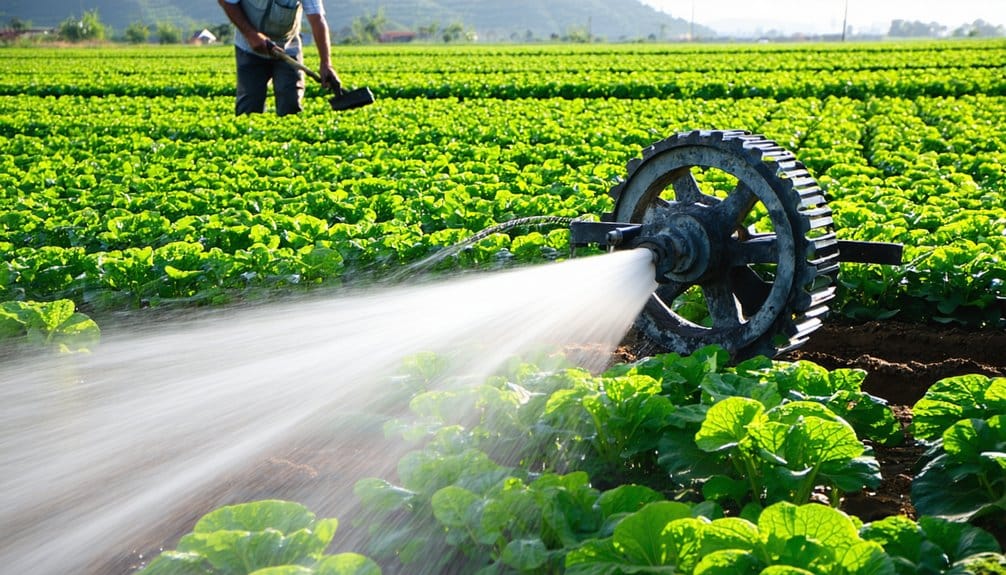
Although hose reel irrigation systems can prove cost-effective in the long run, their maintenance and operational expenses can add up significantly over time. Regular upkeep is essential to ensure optimal functionality and longevity, which might include replacing worn hoses or servicing mechanical components. Additionally, labor costs for operation and maintenance can contribute to the overall expense.
| Expense Type | Estimated Annual Cost |
|---|---|
| Routine Maintenance | $500 – $1,000 |
| Repairs | $200 – $800 |
| Labor Costs | $1,000 – $2,000 |
| Total Operational Cost | $1,700 – $3,800 |
Investors must weigh these ongoing costs against the irrigation investment return to determine the overall benefit of adopting cost-effective irrigation solutions.
Energy Consumption and Its Impact on Costs
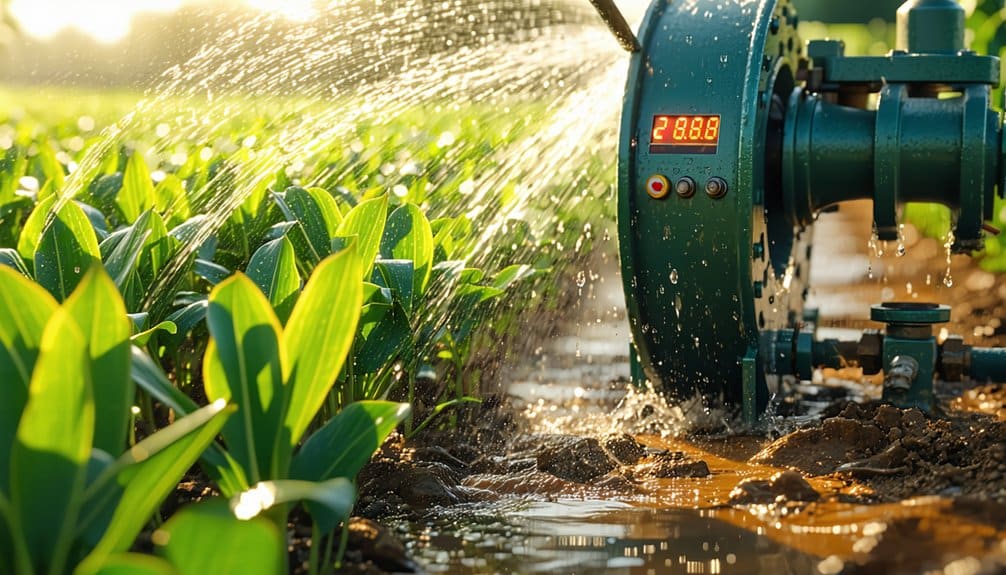
Energy consumption plays a critical role in the overall cost structure of hose reel irrigation systems, as the efficiency of the system directly influences operational expenses. High energy usage can significantly inflate costs, impacting the financial viability of agricultural operations.
As farmers seek to optimize their irrigation practices, understanding energy consumption becomes essential.
- Rising Energy Bills: Increased energy costs can erode profit margins, making it difficult for farmers to sustain their livelihoods.
- Environmental Impact: Excessive energy consumption contributes to a larger carbon footprint, raising concerns about sustainability.
- Investment in Technology: Higher energy demands may necessitate investment in more efficient systems, leading to further financial strain.
Labor Costs Related to Hose Reel Systems
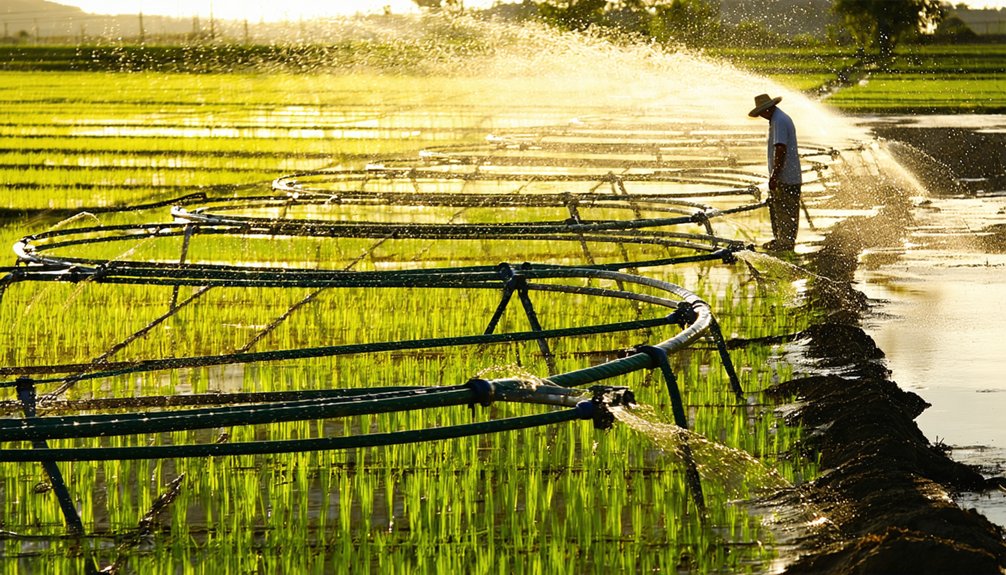
Labor costs associated with hose reel irrigation systems encompass various factors, including installation labor requirements, ongoing maintenance expenses, and operator training needs.
Proper installation is crucial for optimal performance, often necessitating skilled labor.
Additionally, regular maintenance and training contribute to the overall labor cost, impacting the system’s long-term economic viability.
Installation Labor Requirements
The installation of hose reel irrigation systems typically demands a considerable investment in labor, impacting overall project costs. Skilled technicians are essential for ensuring proper setup, which can be labor-intensive and time-consuming.
Key factors contributing to labor costs include:
- Expertise Requirement: Specialized knowledge is necessary for the correct installation and calibration of the system, ensuring efficient operation.
- Time Investment: Installation can take several hours or even days, depending on the complexity of the site and system design.
- Site Preparation: Additional labor may be needed for land clearing, leveling, or trenching, further increasing total expenses.
These elements highlight the critical role of labor in determining the feasibility and financial viability of hose reel irrigation systems.
Maintenance Labor Expenses
Maintaining hose reel irrigation systems incurs ongoing labor expenses that can significantly impact long-term operational budgets. Routine maintenance tasks, such as inspecting hoses, checking connections, and cleaning filters, require skilled labor to ensure optimal functionality.
The frequency of these tasks can vary based on system usage, environmental conditions, and the specific design of the irrigation system. Additionally, unforeseen repairs may arise, necessitating prompt attention to avoid prolonged downtime.
Labor costs can be further influenced by local wage rates and the availability of qualified personnel. Thus, understanding these maintenance labor expenses is crucial for agricultural operators as they navigate budgeting and resource allocation for effective irrigation management.
Proper planning can mitigate unexpected financial strains associated with labor-intensive maintenance activities.
Operator Training Needs
While effective operation of hose reel irrigation systems is essential for maximizing efficiency, adequate training for operators is equally important, as it directly influences labor costs. Insufficiently trained operators may lead to costly mistakes, reduced productivity, and increased wear on equipment.
Investing in comprehensive training can mitigate these risks and enhance overall system performance.
Key training aspects include:
- System Familiarity: Understanding the intricacies of hose reel operation prevents mishaps that can lead to downtime.
- Maintenance Protocols: Proper training equips operators to perform routine checks, reducing maintenance labor expenses.
- Water Management Practices: Educating operators on efficient water usage optimizes resource allocation and minimizes waste.
Ultimately, well-trained operators are crucial for sustainable and cost-effective irrigation practices.
Cost Comparison With Alternative Irrigation Methods
Although various irrigation methods exist, a cost comparison reveals that hose reel systems often provide a balance of efficiency and affordability. When examining initial investment, maintenance, and operational costs, hose reel systems frequently outperform traditional methods like flood irrigation and drip systems.
| Irrigation Method | Average Cost (per acre) |
|---|---|
| Hose Reel Systems | $1,200 |
| Drip Irrigation | $1,800 |
| Flood Irrigation | $800 |
| Sprinkler Systems | $1,500 |
This comparative analysis highlights how hose reel systems can be a more economical choice for many farmers. With their lower operational costs and versatility, they prove to be an attractive option in the landscape of irrigation technologies.
Long-term Financial Benefits of Hose Reel Systems
The long-term financial benefits of hose reel irrigation systems become increasingly apparent when considering their durability and efficiency over time.
These systems not only save water but also reduce labor costs, leading to significant savings for farmers. The initial investment pays off as the longevity of hose reel systems minimizes replacement expenses and maintenance needs.
- Water Conservation: Efficient use of water resources translates to lower utility bills and sustainable farming practices.
- Labor Reduction: Automated operation decreases manpower requirements, allowing farmers to allocate resources more effectively.
- Increased Crop Yield: Consistent and precise irrigation enhances crop health, leading to greater harvests and potential profit increases.
Ultimately, the advantages of hose reel systems extend far beyond mere cost, fostering a sustainable farming future.
Conclusion
In conclusion, hose reel irrigation systems present a compelling option for farmers seeking an efficient and cost-effective solution for their irrigation needs. While initial investments and ongoing maintenance expenses are important considerations, the balance of operational efficiency and affordability often outweighs these costs. By evaluating energy consumption and labor implications, along with comparing alternative methods, agricultural stakeholders can make informed decisions that enhance long-term financial viability and sustainability within their operations.