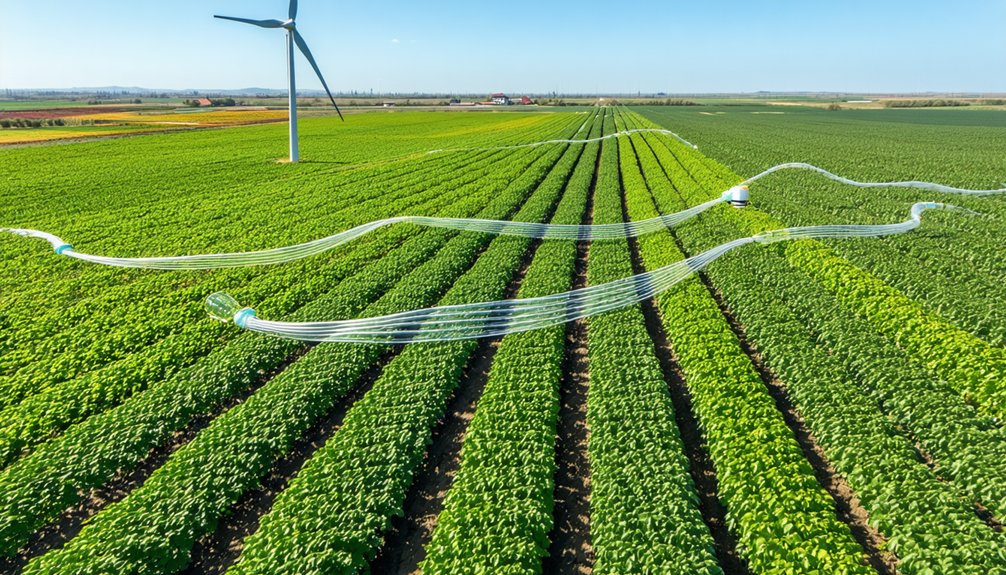

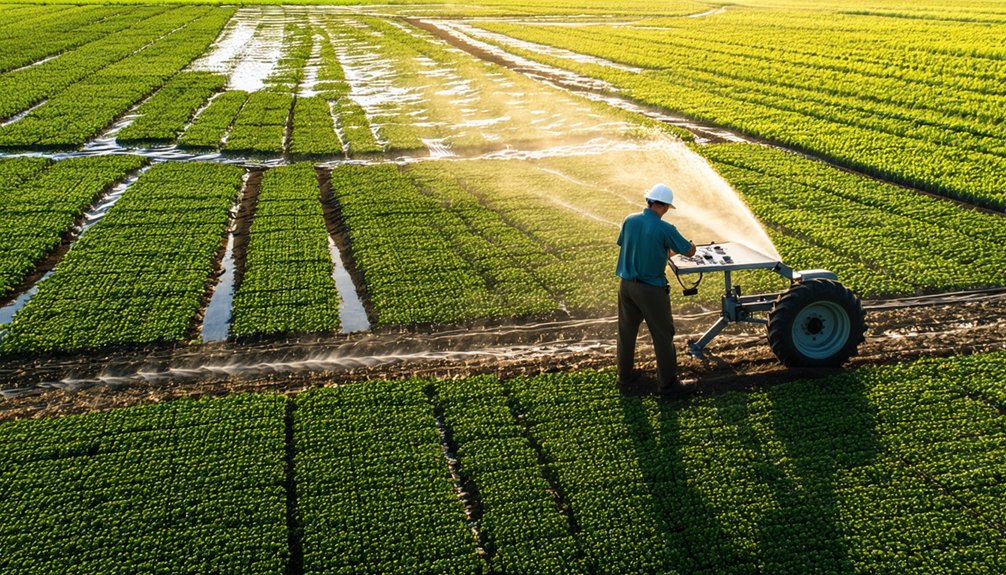
Navigating the cost of wheel line irrigation systems involves understanding various financial factors that can significantly impact agricultural operations. Initial investments, installation fees, and ongoing maintenance all play crucial roles in determining overall expenses. Additionally, farmers must consider different brands, models, and available financing options. A thorough analysis of these elements could reveal both challenges and opportunities, prompting a deeper examination of the long-term economic viability of such systems. What insights might emerge from this exploration?
Key Takeaways
- Initial investment for wheel line irrigation systems ranges from $10,000 to $50,000, influenced by equipment and installation needs.
- Installation costs vary based on labor rates and project complexity, requiring detailed quotes for accurate budgeting.
- Regular maintenance and proactive upkeep are essential to extend equipment lifespan and prevent unexpected expenses.
- Financing options include traditional loans, government grants, and cooperative programs that can ease upfront costs.
- Conducting a cost-benefit analysis helps assess long-term savings on water and energy and ensures economic viability.
Factors Influencing the Cost of Wheel Line Irrigation Systems
When considering the implementation of wheel line irrigation systems, several factors significantly influence their overall cost. The initial investment for wheel line irrigation includes equipment purchase, installation, and necessary accessories.
Additionally, the size of the area to be irrigated and the specific crop requirements can drastically affect irrigation system costs.
Another critical aspect is the maintenance cost, which varies depending on the complexity of the system and the frequency of repairs needed. Regular upkeep is essential to ensure optimal performance and longevity, impacting both short-term expenses and long-term viability.
Furthermore, local labor rates and availability of replacement parts can also play a role in determining overall affordability. Understanding these elements is crucial for making informed decisions regarding wheel line irrigation systems.
Comparing Different Brands and Models
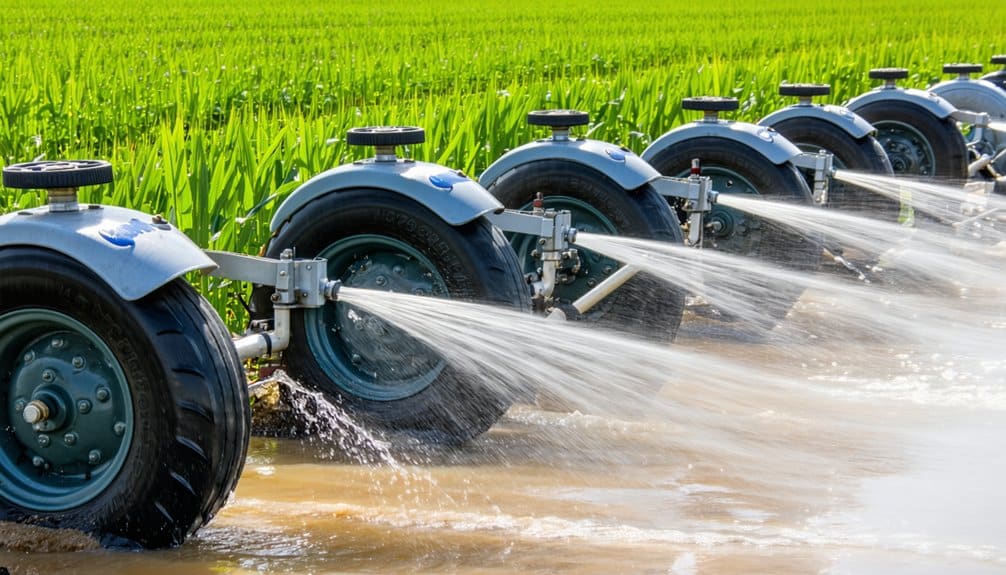
When comparing different brands and models of wheel line irrigation systems, it is essential to consider brand reputation, as it often reflects quality and reliability.
An analysis of model features can reveal unique advantages that may cater to specific agricultural needs.
Additionally, price comparison insights help buyers make informed decisions that align with their budget and operational requirements.
Brand Reputation Overview
Brand reputation plays a crucial role in the selection of wheel line irrigation systems, as farmers and agricultural professionals often rely on proven reliability and performance.
Established brands typically offer a track record of successful agriculture irrigation solutions, which can significantly influence farm budgeting decisions. Farmers tend to favor companies with a history of durability and effective customer service, thereby minimizing potential downtime and repair costs.
Additionally, brand reputation can impact resale value, further affecting overall financial planning. By comparing different brands and their market standing, users can make informed choices that align with their specific operational needs and financial constraints, ultimately ensuring a more successful irrigation strategy.
Model Features Analysis
The diverse array of wheel line irrigation systems available on the market necessitates a thorough model features analysis to aid in decision-making. Various brands offer distinctive features, catering to different agricultural needs.
For instance, some models emphasize advanced automation, enabling remote control and monitoring, while others focus on durability and ease of maintenance. The size and adaptability of the systems also vary; some are designed for large fields, while others suit smaller plots.
Additionally, water distribution efficiency is a crucial factor, with certain models providing optimized coverage through adjustable nozzles.
Price Comparison Insights
Often, farmers face the challenge of navigating the price differences among various wheel line irrigation systems.
Price comparisons reveal considerable variability among brands and models, influenced by factors such as build quality, technology, and additional features. For instance, basic models may be priced lower but lack advanced automation options that enhance efficiency. Conversely, premium systems with robust materials and smart technology command higher prices, reflecting their durability and long-term savings potential.
Farmers should assess their specific needs and evaluate the cost-effectiveness of various options. Additionally, considering maintenance costs and warranty offerings can provide further insight into the overall value of each system.
Installation Costs and Considerations
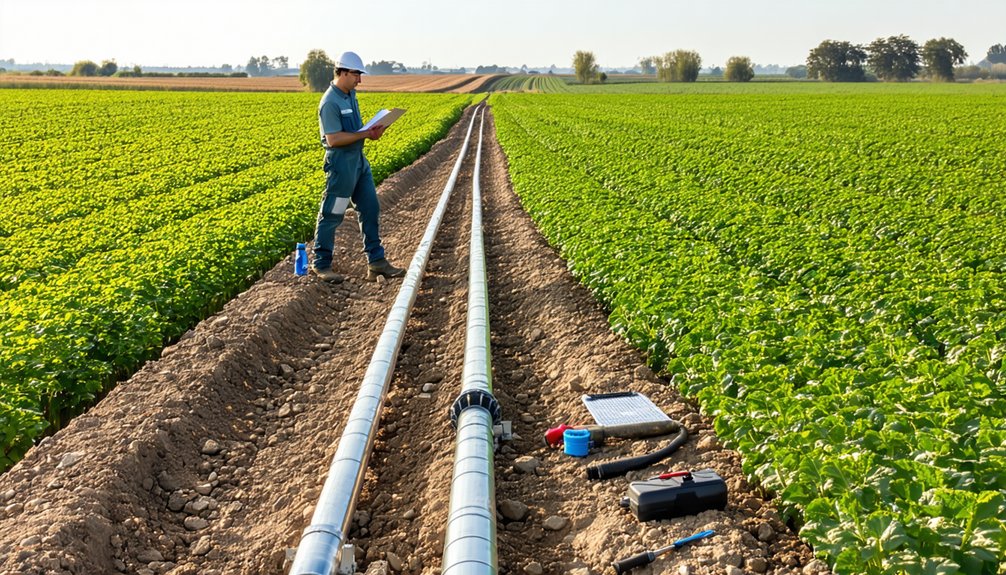
When evaluating the installation costs of wheel line irrigation systems, understanding labor expenses is crucial.
Factors such as local wage rates and the complexity of the installation can significantly influence overall costs.
Additionally, the procurement of equipment must be carefully considered, as it impacts both budget and efficiency.
Labor Expenses Breakdown
Although labor costs can vary significantly based on location and project specifics, understanding the breakdown of installation expenses for wheel line irrigation systems is crucial for effective budgeting.
Typically, labor expenses encompass several components, including wages for skilled workers, equipment operators, and support personnel. Additionally, factors such as the complexity of the installation site and the duration of the project can influence overall costs.
For instance, challenging terrains may require specialized labor, increasing expenses. Furthermore, travel costs for personnel can add to the total installation budget.
It is essential for project managers to obtain detailed quotes and consider potential overtime or additional labor requirements when planning, ensuring a comprehensive understanding of the financial implications associated with labor during installation.
Equipment Procurement Factors
Understanding the various factors involved in equipment procurement is vital for accurately estimating installation costs for wheel line irrigation systems. Key considerations include the type of equipment, supplier reliability, and potential logistical challenges. Pricing can vary significantly based on quality and specifications.
| Factor | Description |
|---|---|
| Equipment Type | Different models have varying costs and efficiencies. |
| Supplier Reputation | Established suppliers may offer better warranties and support. |
| Shipping Costs | Transportation fees can impact overall expenses. |
| Installation Complexity | Some systems may require specialized installation, increasing labor costs. |
Evaluating these elements helps in making informed decisions, ultimately leading to more efficient investment in wheel line irrigation systems.
Maintenance Expenses and Long-Term Investment
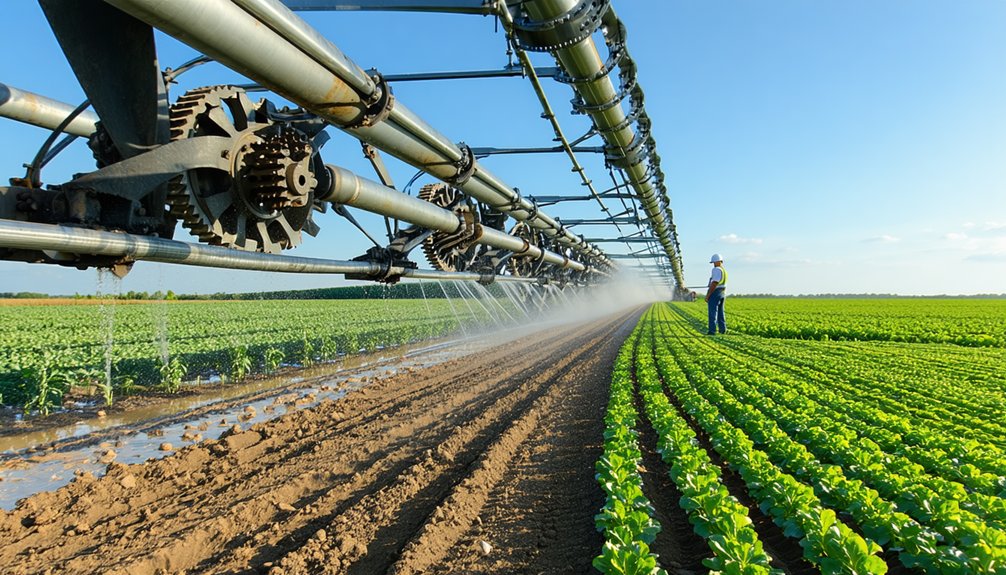
Effective management of maintenance expenses is crucial for maximizing the long-term investment in wheel line irrigation systems. Regular upkeep, including inspections and repairs, can prevent costly breakdowns and extend the lifespan of the equipment.
Farmers must budget for both routine maintenance and unexpected repairs, as neglecting these costs can lead to significant financial setbacks. Utilizing high-quality components and technology can also reduce future maintenance needs, ultimately enhancing overall efficiency.
Investing in training for operators ensures proper usage, minimizing wear and tear. By closely monitoring and controlling maintenance expenses, growers can secure the operational effectiveness of their irrigation systems over time, leading to improved yields and better resource management.
A proactive maintenance strategy is key to safeguarding this important agricultural investment.
Financing Options for Wheel Line Irrigation Systems
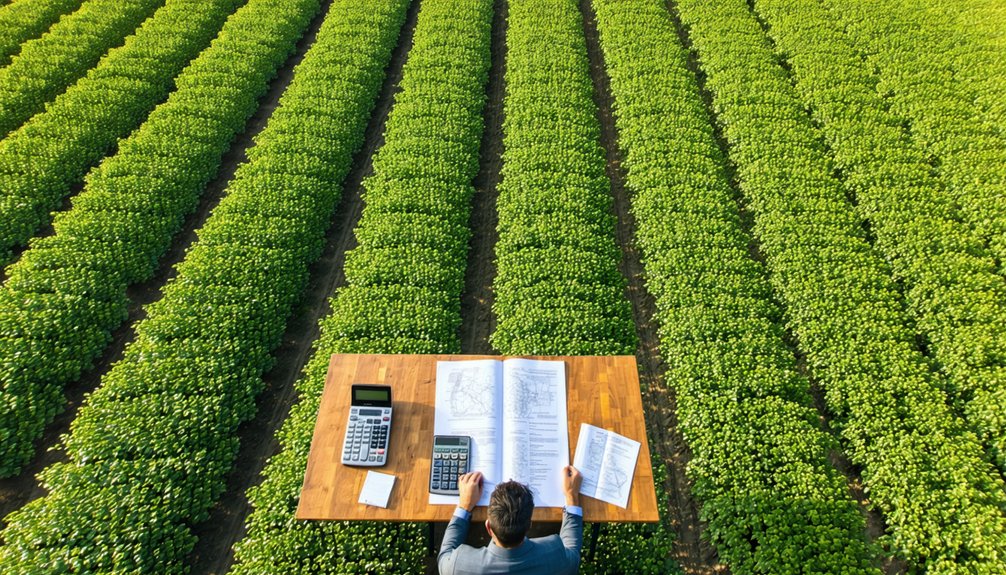
Securing financing for wheel line irrigation systems is essential for farmers looking to optimize their crop production and resource management. Various financing options are available to accommodate different budgets and financial situations.
Traditional bank loans often provide favorable interest rates and repayment terms, while specialized agricultural lenders may offer tailored solutions. Government programs and grants can also assist in covering initial costs, supporting sustainable practices.
Additionally, leasing options allow farmers to access equipment without upfront capital, spreading costs over time. Cooperative financing through local agricultural co-ops can provide competitive rates and shared resources.
Ultimately, choosing the right financing option can significantly impact a farmer’s ability to invest in efficient irrigation solutions and enhance overall productivity.
Cost-Benefit Analysis of Wheel Line Irrigation Systems
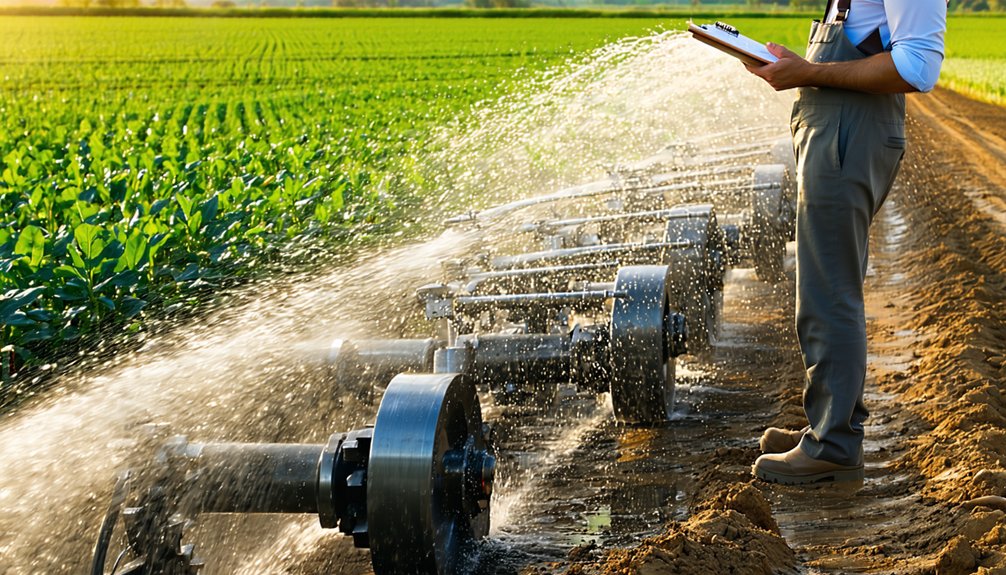
Evaluating the cost-benefit ratio of wheel line irrigation systems is vital for farmers considering investment in these technologies. These systems typically offer reduced labor costs and increased efficiency, which can lead to higher crop yields.
Initial investments may range from $10,000 to $50,000, depending on the system’s size and complexity. Over time, savings on water and energy can offset these costs, making them economically viable.
Additionally, wheel line systems can enhance water distribution uniformity, improving overall crop health. Farmers should also consider potential increases in land value and production capacity.
Conducting a thorough cost-benefit analysis, including maintenance and operational costs, helps farmers make informed decisions that align with their agricultural goals and financial constraints.
Conclusion
In conclusion, understanding the costs associated with wheel line irrigation systems is crucial for farmers seeking to enhance their agricultural productivity. By evaluating factors such as initial investments, installation, and ongoing maintenance, as well as exploring financing options, farmers can make informed decisions. A comprehensive cost-benefit analysis further aids in determining the long-term economic viability of these systems, ultimately supporting more efficient and profitable farming practices.