Replacing an irrigation system requires careful consideration of various factors. Homeowners must assess property size, crop type, and local labor rates. Costs can vary widely, with systems ranging from $1,500 to $7,000. Additional expenses, such as permits and site preparation, can complicate the budget. Understanding these elements is crucial for making informed decisions. How can these choices impact both immediate expenses and long-term water savings?
Key Takeaways
- Replacement costs vary based on property size, crop types, and local labor rates, impacting overall expenses.
- Drip irrigation systems typically range from $1,500 to $3,500, while sprinkler systems cost between $2,000 and $5,000.
- Additional expenses may include permits, site preparation, and potential electrical work or water source modifications.
- Upgrading can lead to long-term savings through reduced water usage, lower maintenance costs, and improved yields.
- Explore financing options like personal loans, company plans, or government grants to make the investment more affordable.
Factors Influencing Irrigation System Replacement Costs
When considering the replacement of an irrigation system, several key factors can significantly influence the overall costs involved.
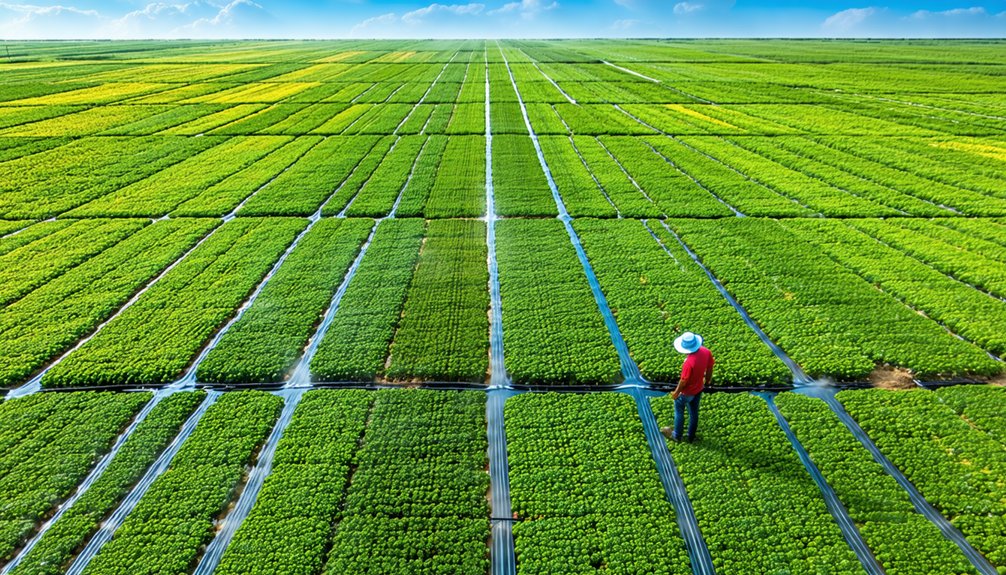
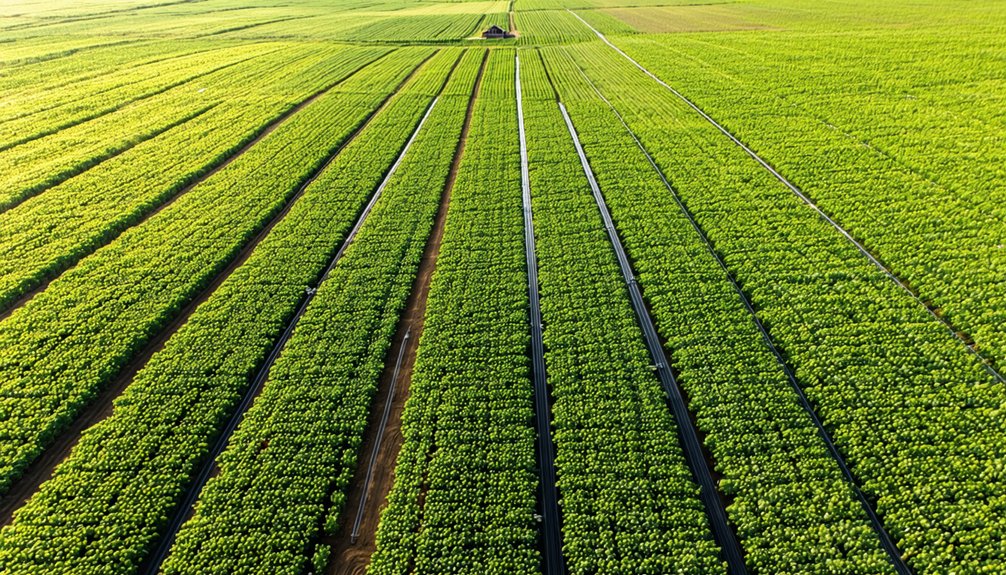
The size and layout of the property play a crucial role, as larger areas typically require more complex systems, leading to higher expenses. Additionally, the type of crops or plants being irrigated can dictate the system’s design, affecting the cost of irrigation system installation.
Local labor rates and availability may also impact expenses, as skilled labor can vary in price. Furthermore, the choice of materials, whether high-quality components or budget options, directly correlates with the final cost.
Lastly, any necessary permits or environmental regulations can add to the overall financial considerations when planning a replacement.
Average Costs for Different Types of Irrigation Systems
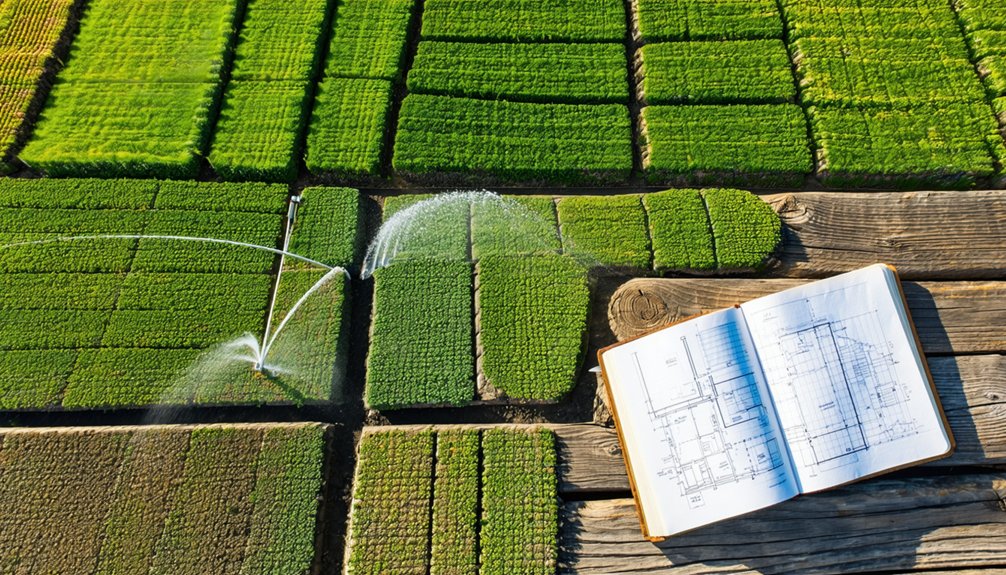
The average costs for different types of irrigation systems can vary widely based on several factors, including system type, property size, and installation complexity.
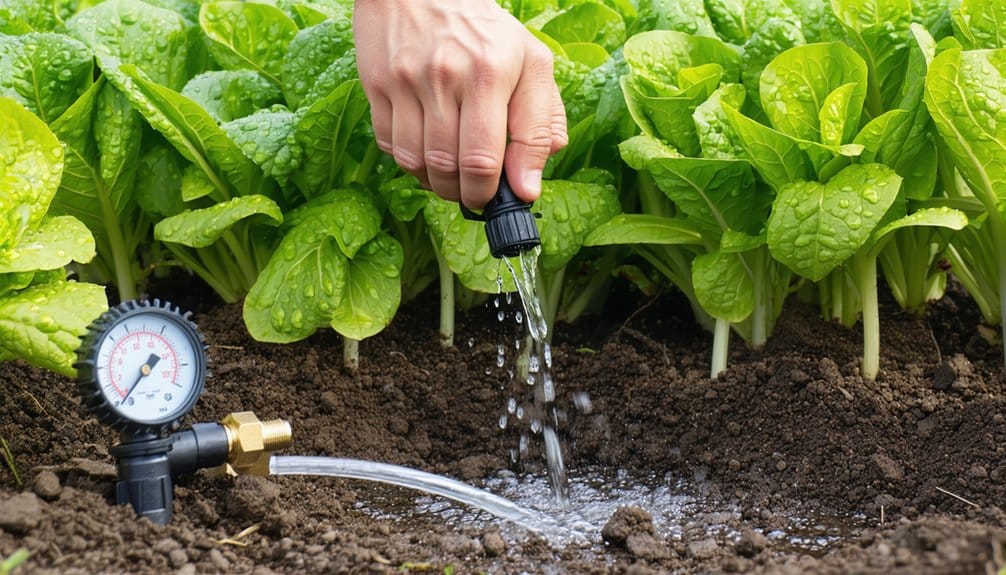
For instance, drip irrigation systems typically range from $1,500 to $3,500 for residential properties, while sprinkler systems can cost between $2,000 and $5,000.
In contrast, more sophisticated options such as automated or smart irrigation systems may range from $3,000 to $7,000.
It is essential for homeowners to consider these average costs when planning for irrigation system replacement.
Additionally, regional differences and the specific requirements of the landscape can further influence the final price.
Therefore, obtaining multiple quotes and assessing individual needs is crucial to ensure an informed decision.
Additional Expenses to Consider During Replacement
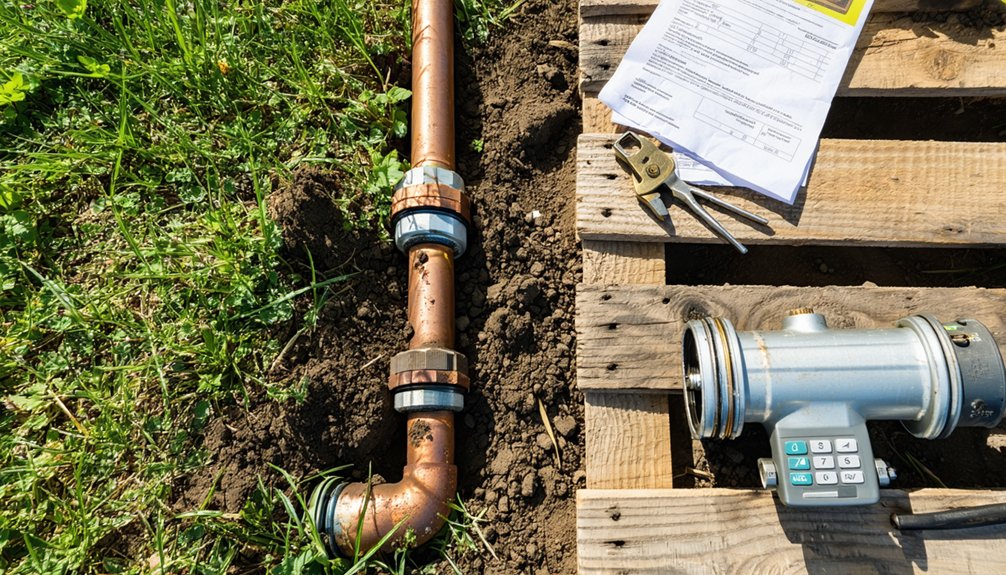
While planning for an irrigation system replacement, homeowners should be aware of additional expenses that can significantly impact the overall budget. Beyond the initial irrigation system costs, several factors can contribute to the final expenditure.
For instance, site preparation may require landscaping adjustments or soil amendments to ensure optimal performance. Homeowners might also need to consider permits or inspection fees that vary by locality.
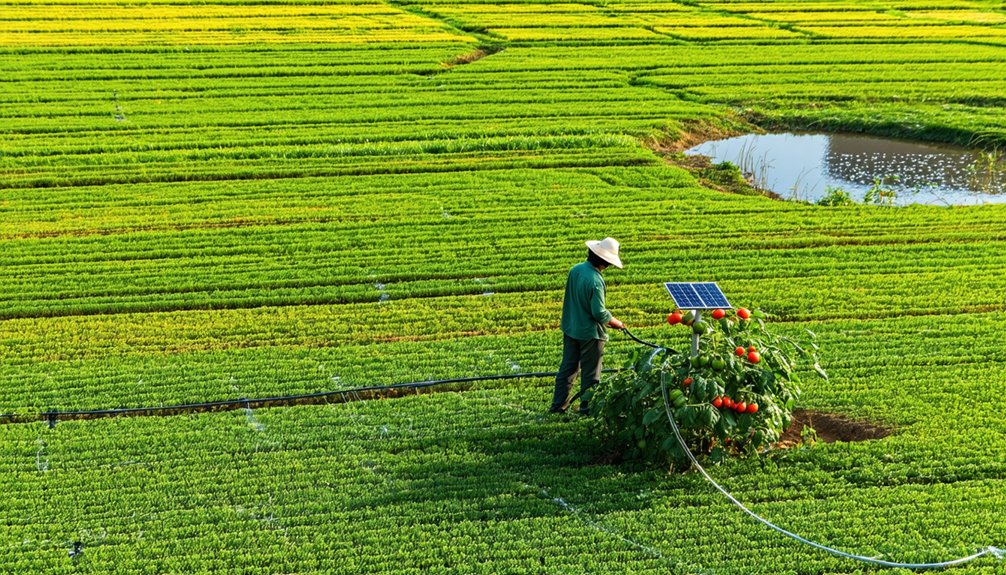
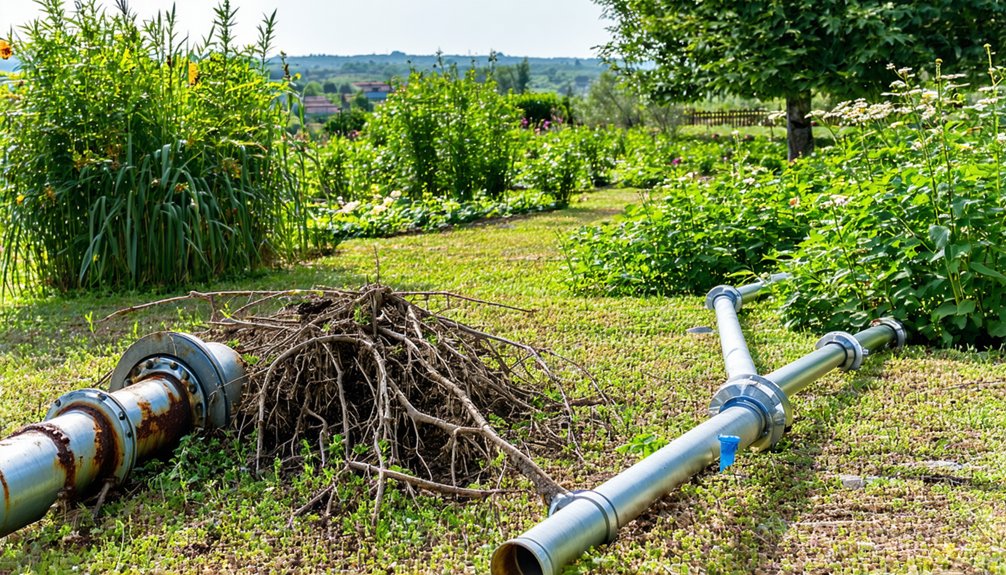
Additionally, the potential need for new electrical work or water source modifications can further increase costs. Lastly, maintenance services during the transition period should not be overlooked, as they can also add to the financial burden.
Understanding these additional expenses is crucial for homeowners to accurately estimate the total investment required for a successful irrigation system replacement.
Potential Savings From Upgrading Your Irrigation System
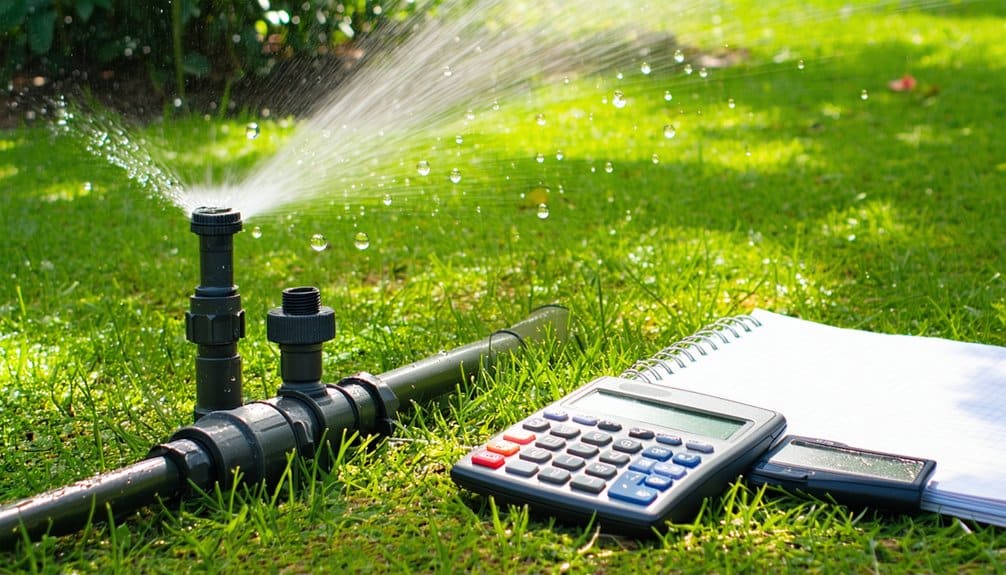
Upgrading an irrigation system can lead to significant long-term savings, offsetting some of the initial replacement costs discussed earlier.
While the price of a new irrigation system may seem daunting, the benefits can outweigh these expenses.
Key potential savings include:
- Reduced Water Usage: Advanced systems use less water, translating to lower utility bills.
- Improved Efficiency: Modern technology ensures water is delivered precisely where needed, minimizing waste.
- Lower Maintenance Costs: New systems often require less frequent repairs and maintenance, reducing overall expenses.
- Enhanced Crop/Yard Yield: Efficient irrigation can lead to healthier plants, potentially increasing revenue for agricultural operations.
Financing Options for Irrigation System Replacement
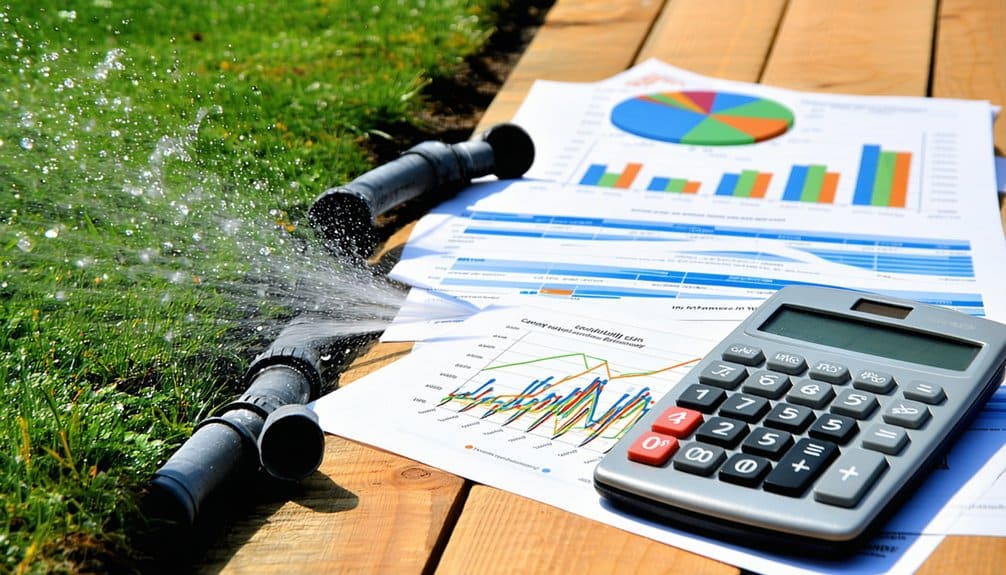
When considering the replacement of an irrigation system, exploring various financing options can make the investment more manageable. Homeowners typically have several choices to finance this significant expense.
Personal loans are a popular option, allowing for flexible repayment terms. Additionally, some companies offer financing plans specifically for irrigation system replacements, often featuring low-interest rates or deferred payments.
Another option is to utilize home equity loans, leveraging existing property value to fund the replacement. Government grants and subsidies might also be available in certain areas, promoting water conservation efforts.
Conclusion
In conclusion, replacing an irrigation system requires careful consideration of various factors, including system type and associated costs. While initial expenses can vary widely, homeowners must also weigh potential long-term savings from improved efficiency. By understanding the full scope of costs, including additional expenses and financing options, property owners can make informed decisions that not only enhance their irrigation practices but also promote sustainable water usage for years to come.