
Understanding the cost of commercial irrigation systems requires a careful examination of various components. Factors such as system type, installation complexity, and site conditions play a significant role. Initial and ongoing expenses must be evaluated to determine overall investment viability. Additionally, considerations regarding water quality and soil type can greatly influence efficiency. The interplay of these elements raises important questions about the long-term benefits and sustainability of irrigation practices. What insights might emerge through further exploration?
Key Takeaways
- Initial installation costs vary based on system type, size, complexity, and necessary equipment and materials.
- Labor expenses are influenced by the irrigation system’s size and operational intricacies during installation and maintenance.
- Site conditions, including soil type and water availability, significantly affect overall installation and operational costs.
- Regular maintenance is essential for system longevity, impacting long-term operational expenses and efficiency.
- Advanced technologies can reduce operational costs over time by improving water efficiency and minimizing labor needs.
Types of Commercial Irrigation Systems
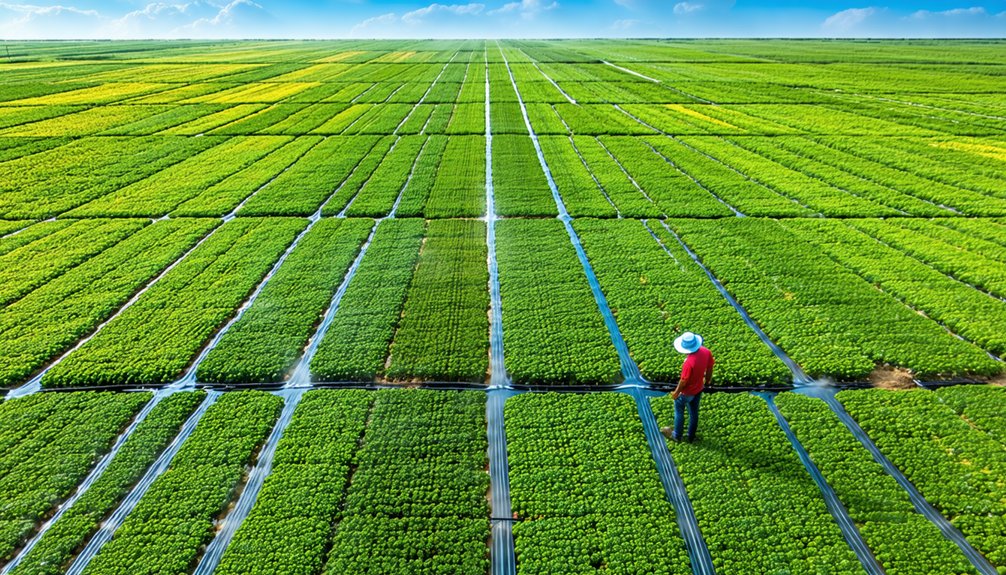
There are several types of commercial irrigation systems designed to meet the diverse needs of agricultural and landscaping applications.
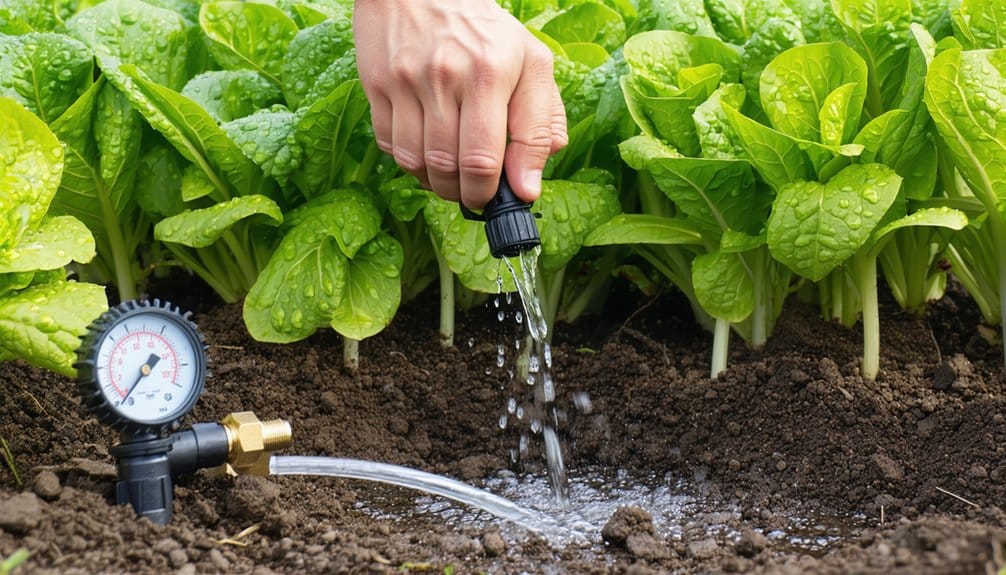
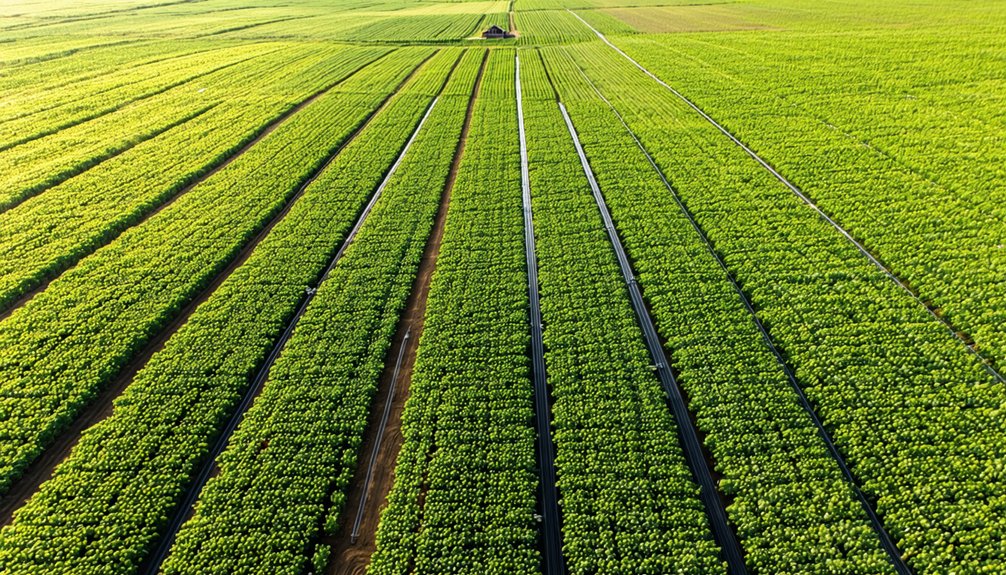
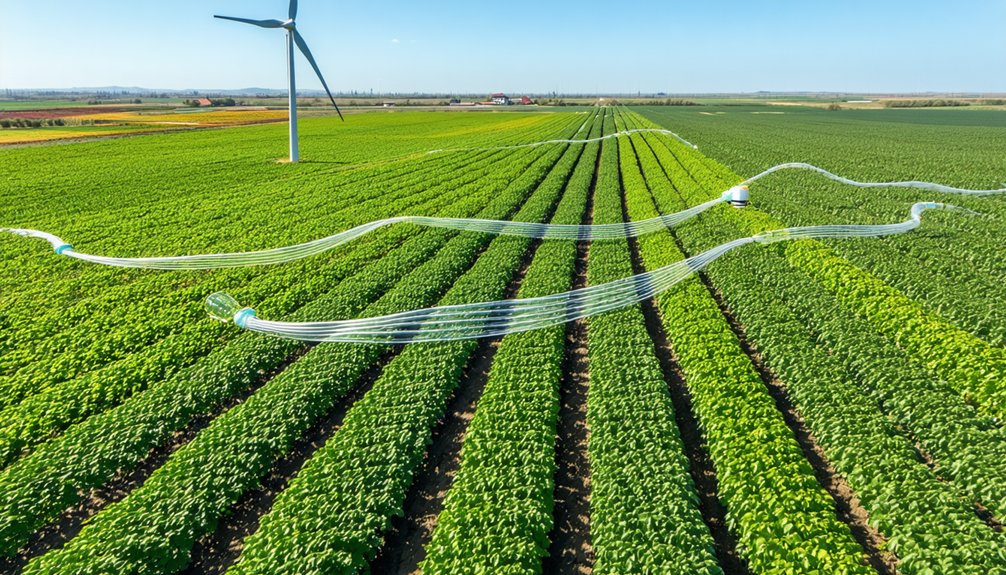
These systems include drip irrigation, sprinkler systems, and subsurface irrigation, each offering unique advantages. Drip irrigation is efficient for water conservation, ideal for crops and gardens, while sprinkler systems are versatile, covering large areas effectively.
Subsurface irrigation targets root zones directly, minimizing evaporation and runoff.
When considering commercial irrigation, it is crucial to evaluate the irrigation system cost, as it varies significantly based on the type chosen and the scale of the project.
Effective irrigation budgeting helps in selecting the most suitable system, ensuring that the investment aligns with the specific requirements of the landscape or agricultural endeavor while maintaining cost efficiency.
Initial Installation Costs
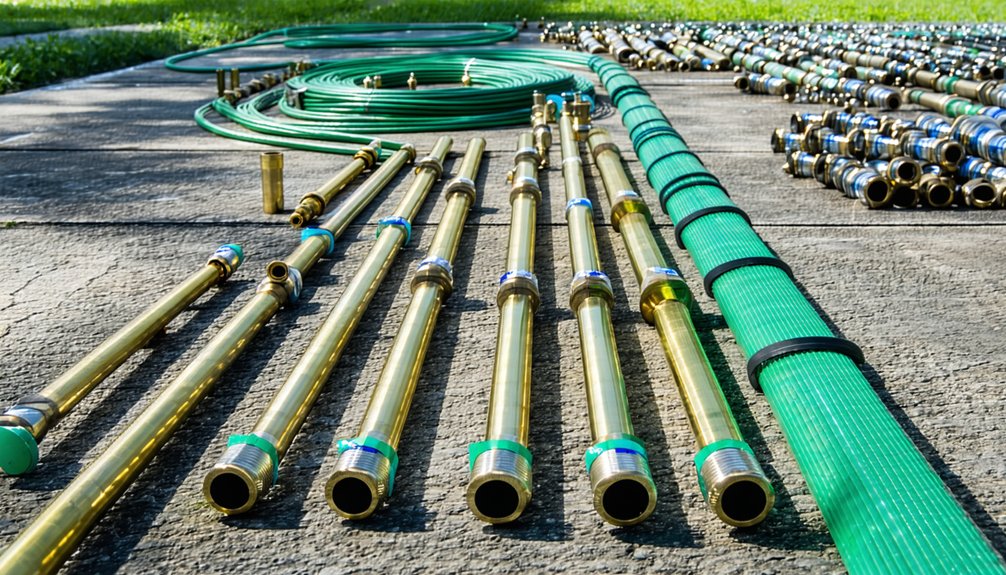
When planning a commercial irrigation system, understanding initial installation costs is essential for effective budgeting. The costs associated with commercial irrigation pricing can vary significantly based on several factors, including system type, size, and complexity.
Typically, the primary expenses encompass equipment, materials, labor, and design. An irrigation investment should account for quality components that ensure durability and efficiency over time.
Proper assessment of site conditions and water availability also influences installation costs, as specialized systems may be required. By carefully analyzing these factors, businesses can develop a clearer picture of their financial commitment and choose a system that meets their specific agricultural or landscaping needs while ensuring optimal performance.
Maintenance and Operational Expenses
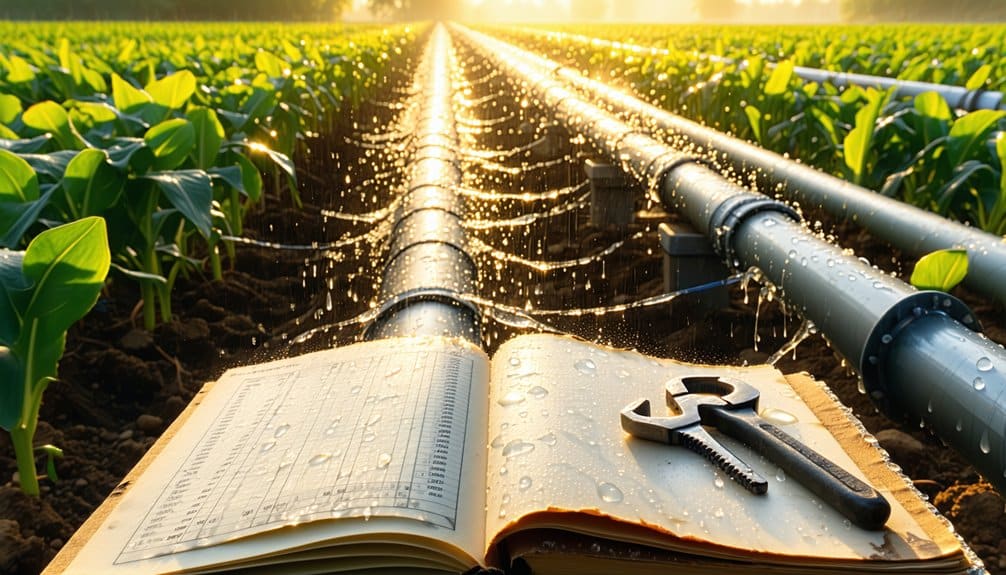
Understanding maintenance and operational expenses is crucial for businesses that rely on commercial irrigation systems, as these costs can significantly impact long-term budgeting and sustainability.
Regular maintenance is essential to ensure optimal performance and longevity of the system, which may include inspections, repairs, and parts replacement. Labor costs associated with these tasks can vary depending on the size and complexity of the irrigation system.
Additionally, operational expenses encompass energy costs for pumps and controllers, as well as water usage fees. Over time, these expenses can accumulate, leading to substantial financial commitments.
Businesses must carefully evaluate these costs to develop effective strategies that promote efficiency and minimize expenditures while maintaining a reliable irrigation system that meets their agricultural or landscaping needs.
Water Source and Quality Considerations
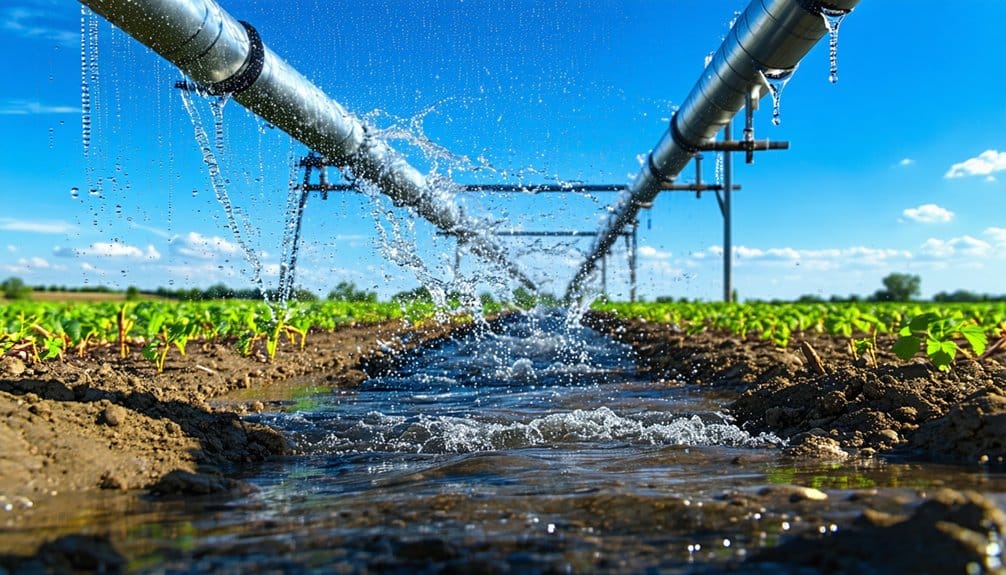
Selecting an appropriate water source is vital for the efficiency and effectiveness of commercial irrigation systems, as the quality of water directly influences plant health and yield.
Factors such as salinity, pH, and nutrient content must be assessed to ensure that the water supports optimal growth. High salinity levels can lead to soil degradation, while improper pH can affect nutrient availability.
Additionally, the presence of contaminants, such as heavy metals or pathogens, can pose serious risks to crops and soil health. Regular testing of water quality is essential for identifying these issues and implementing necessary treatments.
Moreover, the sustainability of the water source should be considered to avoid depletion, ensuring long-term viability for agricultural operations.
System Design and Layout Implications
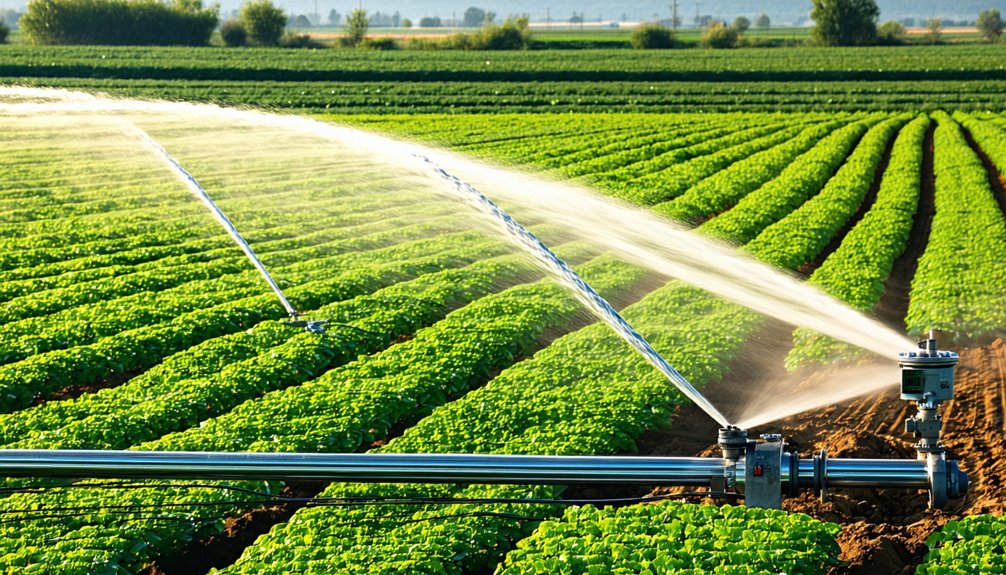
Effective system design and layout are crucial for optimizing commercial irrigation systems.
A thorough site analysis ensures that water distribution is efficient and tailored to specific landscape needs.
Addressing these factors can significantly impact the overall performance and cost-effectiveness of the irrigation system.
Site Analysis Importance
Before implementing a commercial irrigation system, conducting a thorough site analysis is crucial, as it directly influences the system design and layout. Factors such as soil type, topography, and existing vegetation must be evaluated to optimize system efficiency and effectiveness. Understanding these elements helps in selecting appropriate irrigation methods and equipment, ultimately reducing costs and enhancing performance.
| Factor | Importance |
|---|---|
| Soil Type | Affects water retention |
| Topography | Influences water flow |
| Vegetation | Determines water requirements |
| Climate | Impacts evaporation rates |
A comprehensive site analysis not only aids in effective system design but also ensures sustainable water usage, thereby contributing to long-term operational success.
Efficient Water Distribution
How can efficient water distribution transform the effectiveness of a commercial irrigation system? By ensuring that water is delivered uniformly and adequately across the designated area, efficient distribution minimizes waste and maximizes plant health.
A well-designed system incorporates various components, such as properly sized pipes, strategically placed emitters, and optimized pressure regulation, to achieve uniformity in water application. This not only conserves resources but also reduces operational costs associated with excess water usage.
Additionally, a thoughtful layout prevents water pooling and runoff, which can lead to soil erosion and nutrient loss. Ultimately, efficient water distribution enhances crop yield and sustainability, making it a critical consideration in the design and implementation of commercial irrigation systems.
Landscape Considerations
While designing a commercial irrigation system, landscape considerations play a crucial role in determining its overall effectiveness. The interaction between the irrigation system and the surrounding landscape can greatly influence water distribution and plant health.
Key factors include:
- Plant Type: Different plants have varying water needs, necessitating tailored irrigation strategies to ensure optimal growth and sustainability.
- Soil Composition: The type of soil affects water retention and drainage, influencing the design of the irrigation layout to prevent waterlogging or drought stress.
- Topography: Changes in elevation can impact water flow and distribution; proper planning is essential to ensure even coverage across diverse terrains.
Climate and Environmental Factors
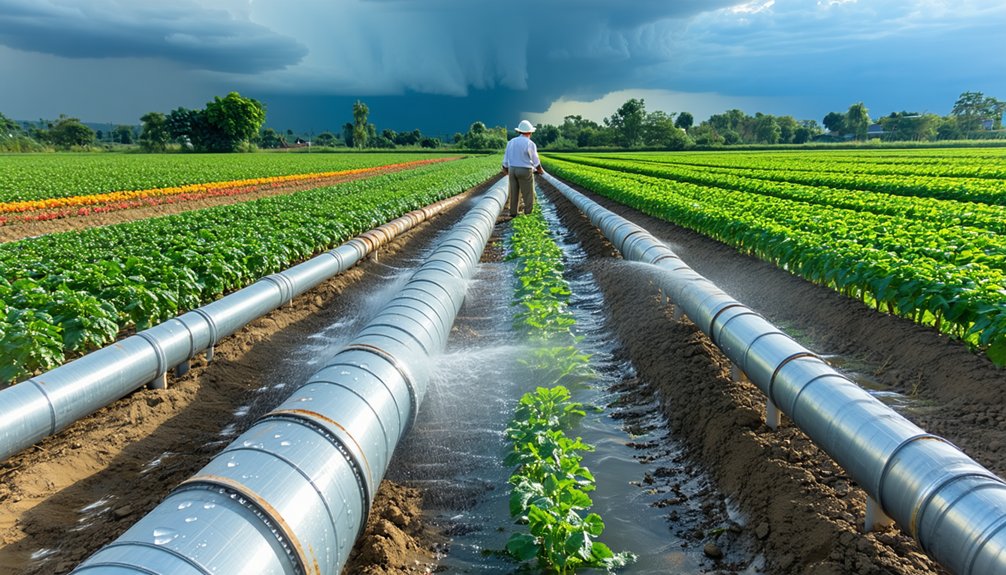
Climate and environmental factors play a crucial role in the cost and effectiveness of commercial irrigation systems.
Local climate conditions, such as temperature and rainfall patterns, significantly influence water requirements and system design.
Additionally, the type of soil affects water absorption and retention, further impacting irrigation efficiency and overall costs.
Local Climate Conditions
Understanding local climate conditions is essential for determining the appropriate commercial irrigation system, as these factors significantly influence water requirements and system efficiency.
Businesses must consider several climatic elements to optimize their irrigation strategies.
- Temperature Range: High temperatures increase evaporation rates, necessitating more frequent watering to maintain plant health.
- Precipitation Patterns: Regular rainfall can reduce irrigation needs, while prolonged dry spells may require more robust systems to ensure adequate water supply.
- Humidity Levels: High humidity can affect plant transpiration rates, impacting how much water is required for irrigation.
Soil Type Impact
Local climate conditions play a significant role in shaping the characteristics of soil types, which in turn influence irrigation needs.
Different soil types, such as sandy, clay, or loamy soils, exhibit varying capacities for water retention, drainage, and nutrient availability. For instance, sandy soils drain quickly but require more frequent irrigation due to their low moisture retention.
Conversely, clay soils retain moisture but can become compacted, leading to drainage issues that necessitate careful management.
The interaction between soil type and climate factors, such as rainfall patterns and temperature variations, dictates the overall effectiveness and efficiency of irrigation systems.
Understanding these relationships is crucial for optimizing water usage and ensuring sustainable agricultural practices, ultimately impacting the cost of commercial irrigation systems.
Advanced Technologies and Automation
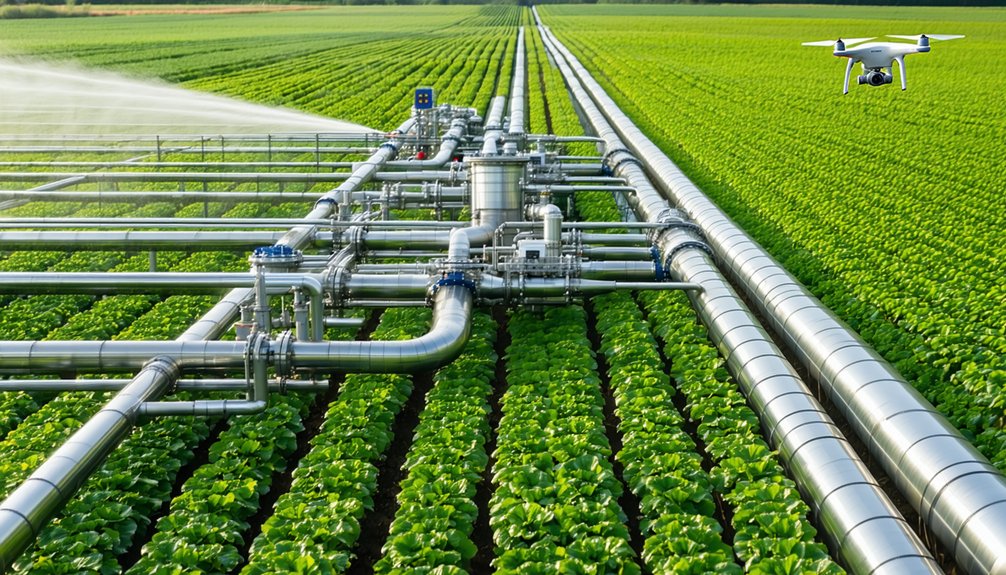
As agricultural practices evolve, the integration of advanced technologies and automation in commercial irrigation systems has become increasingly vital.
These innovations enhance efficiency and optimize resource use, addressing the growing demands of modern agriculture.
Key advancements include:
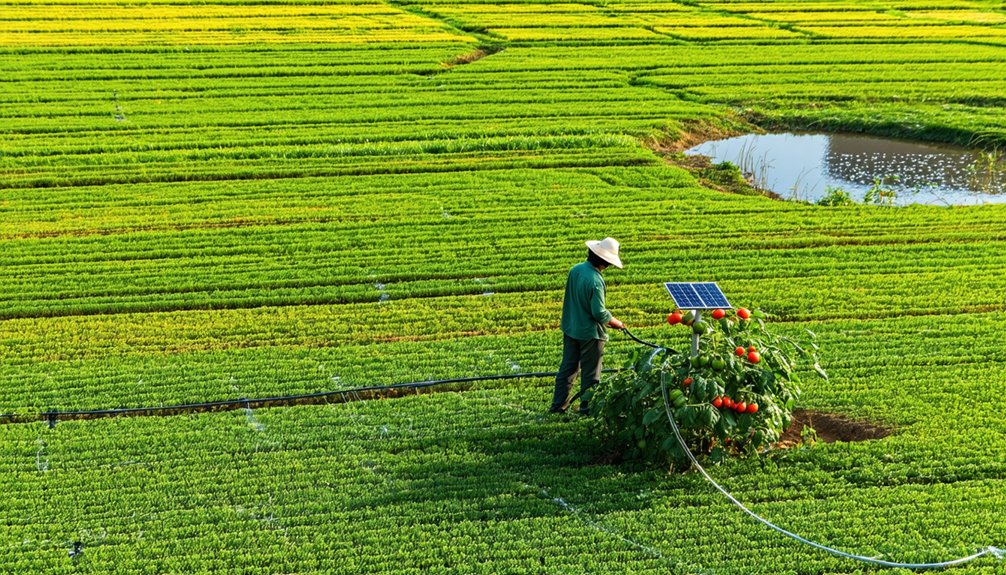
- Smart Irrigation Controllers: These devices utilize weather data and soil moisture levels to adjust watering schedules automatically, ensuring crops receive the right amount of water.
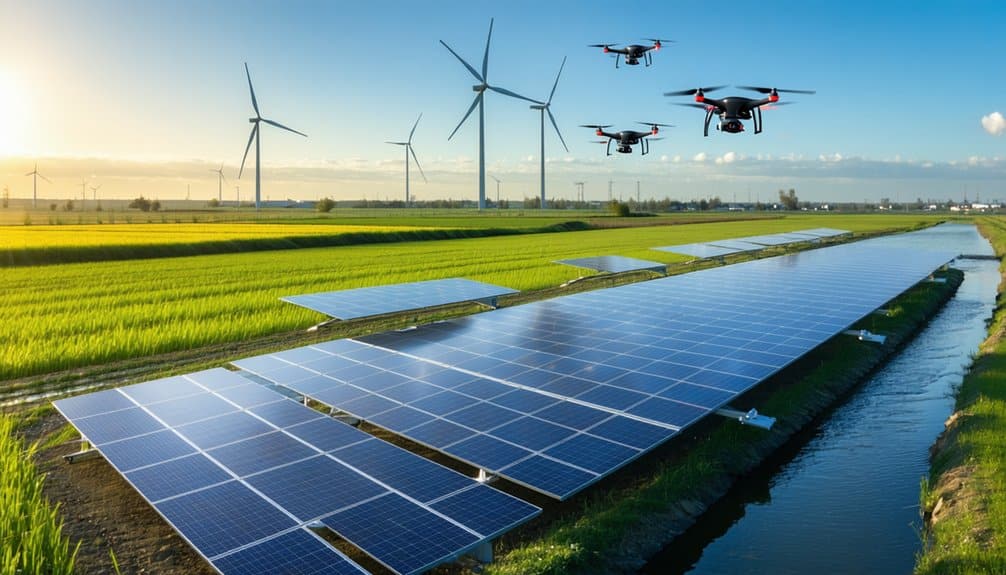
- Drones and Aerial Imaging: Drones equipped with sensors provide real-time insights into crop health and irrigation needs, allowing for targeted interventions.
- Remote Monitoring Systems: These systems enable farmers to oversee irrigation operations from anywhere, facilitating timely adjustments and reducing labor costs.
Long-term Cost Savings and Benefits
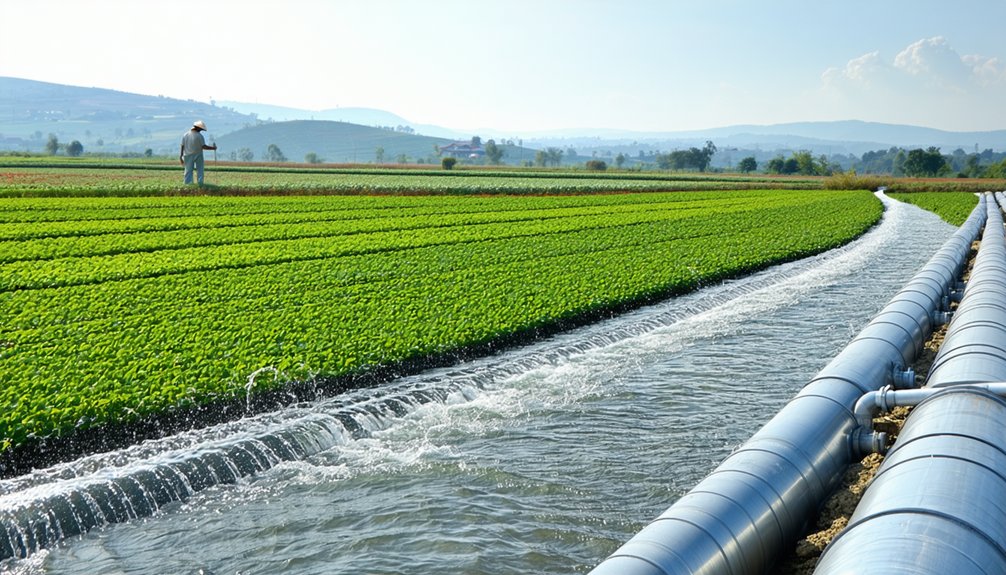
While the initial investment in commercial irrigation systems may seem substantial, the long-term cost savings and benefits often justify the expense.
These systems enhance water efficiency, reducing overall consumption and lowering utility bills. By utilizing advanced technologies, they minimize labor costs through automation, allowing for precise scheduling and reduced manual intervention.
Additionally, a well-maintained irrigation system can extend the lifespan of crops and improve yields, leading to increased revenue for agricultural businesses.
Furthermore, many systems are designed to adapt to changing climate conditions, providing resilience against droughts and water shortages.
Ultimately, the initial costs can be offset by the savings and increased productivity, making commercial irrigation systems a wise investment for sustainable agricultural practices.
Conclusion
In summary, understanding the costs associated with commercial irrigation systems is crucial for effective agricultural management. By considering the various types of systems, installation costs, and ongoing expenses, stakeholders can make informed decisions that enhance efficiency. Additionally, evaluating water quality and environmental factors contributes to optimized system design. Embracing advanced technologies can further streamline operations, ultimately leading to significant long-term savings and improved crop yields, ensuring a sustainable approach to resource management in agriculture.