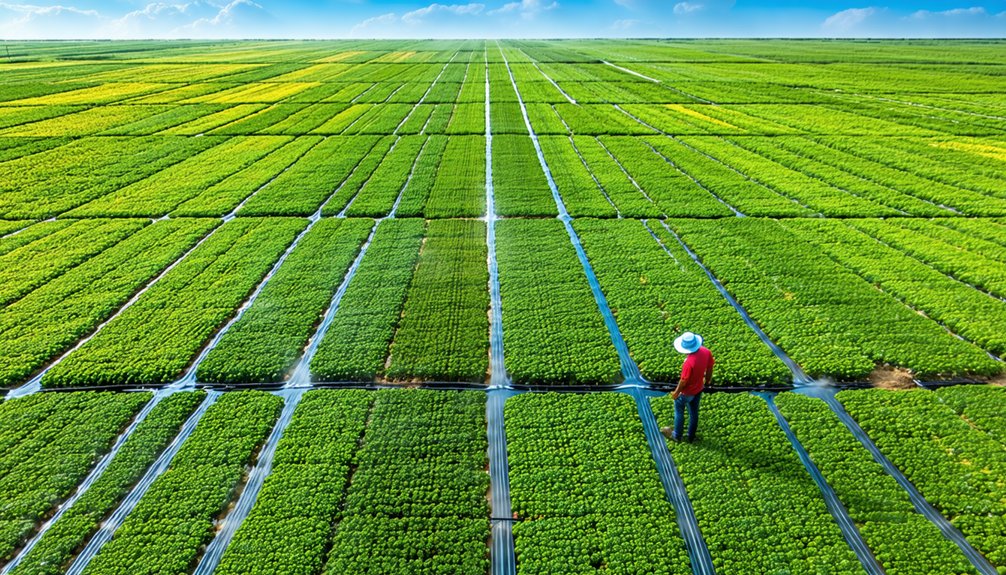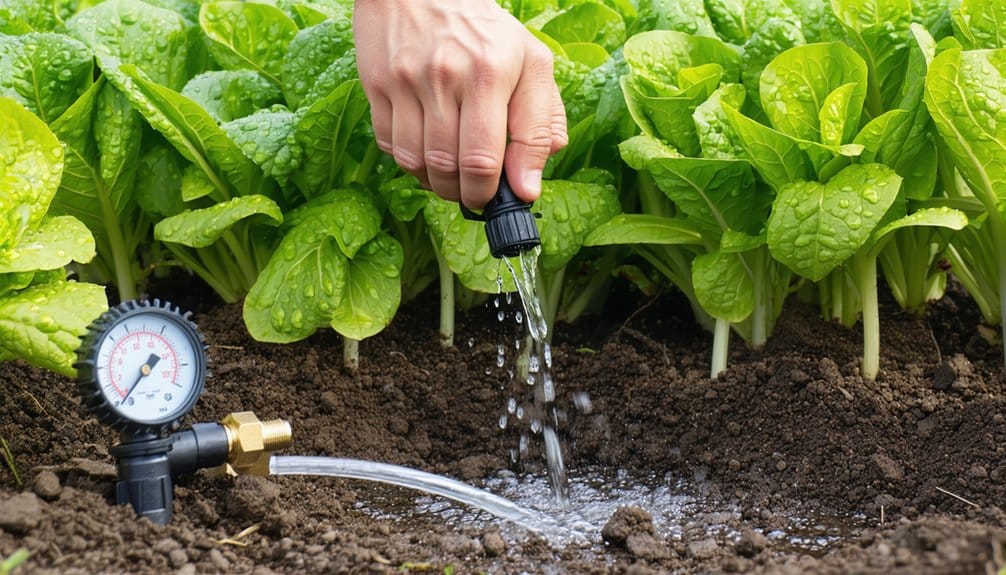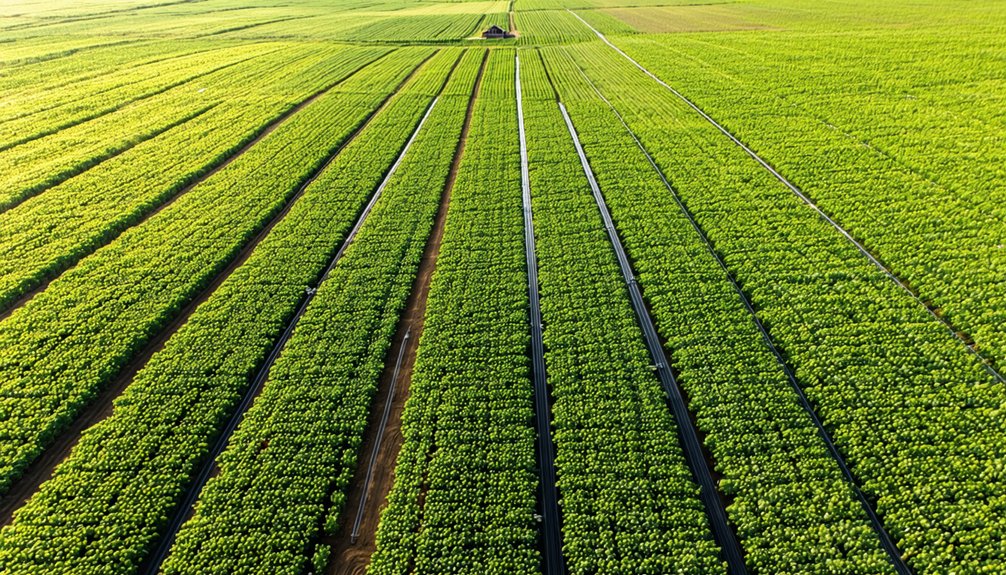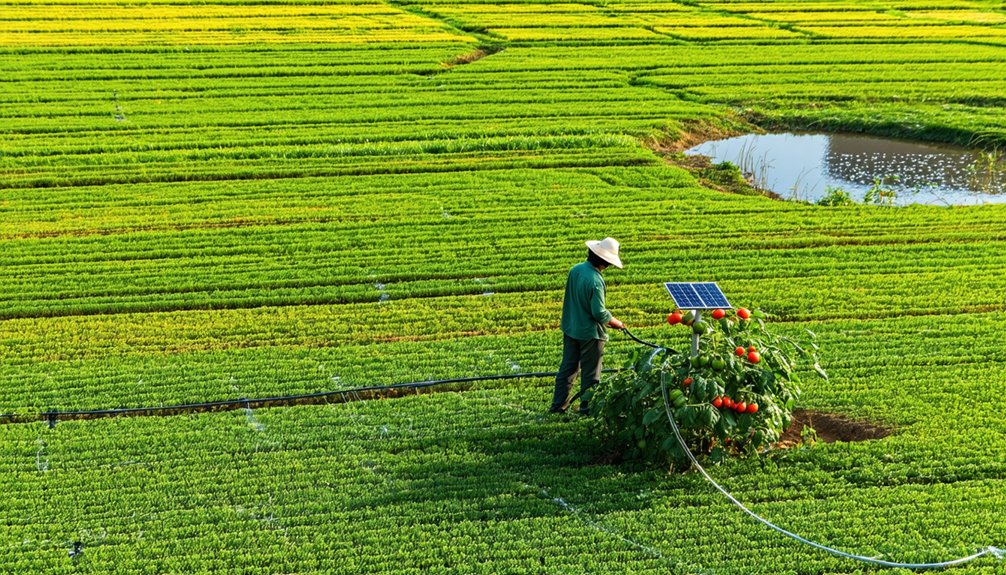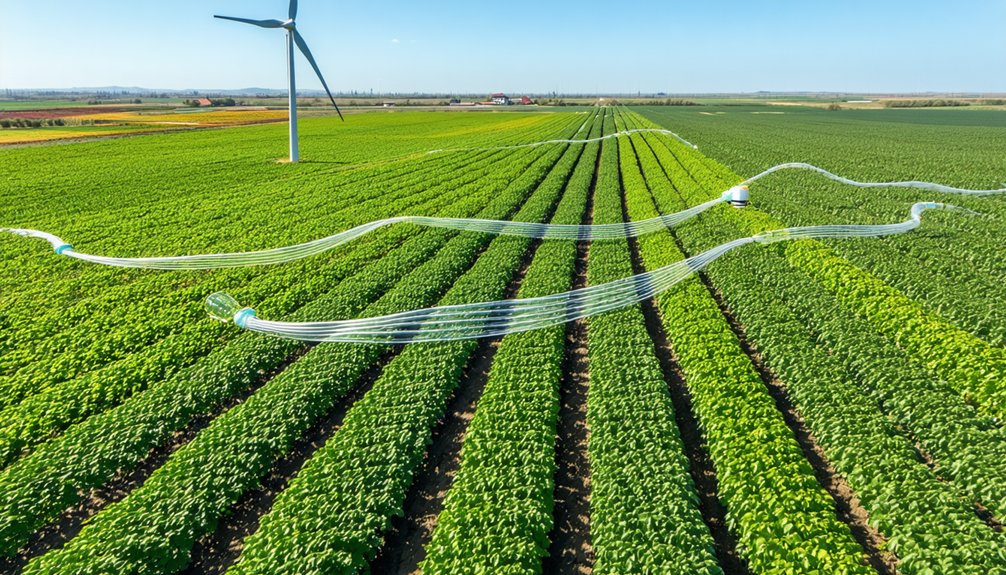

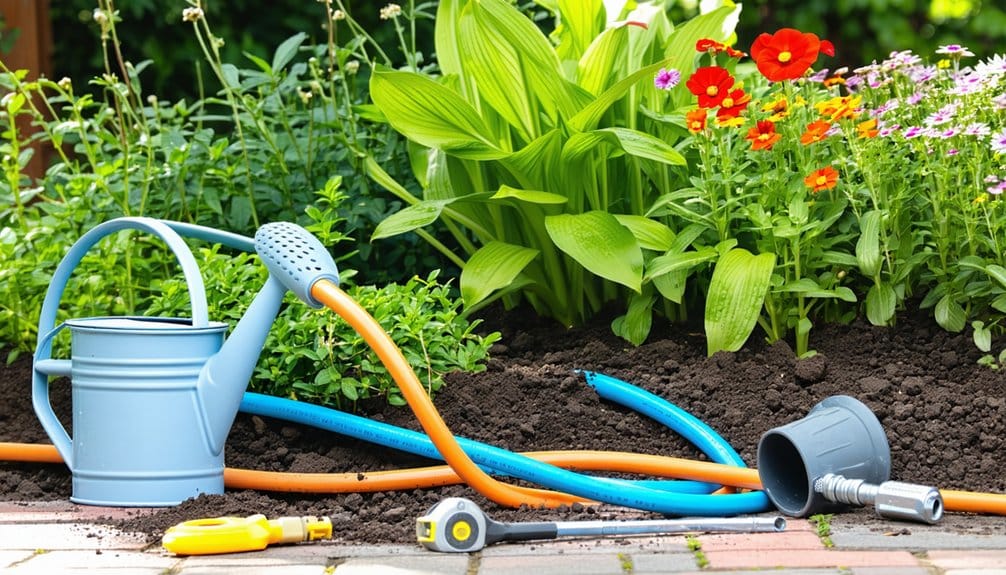
Building a DIY home irrigation system can greatly enhance garden efficiency and plant health. This process involves assessing water needs, selecting the appropriate system, and gathering necessary materials. Proper planning and installation are crucial for optimal performance. The steps may seem straightforward, but small details can significantly impact the outcome. Discover how to create a tailored irrigation solution that meets specific requirements and fosters robust plant growth.
Key Takeaways
- Assess your garden’s water needs by evaluating soil type, plant species, and local climate to determine the appropriate irrigation system.
- Choose between drip irrigation, sprinkler systems, or soaker hoses based on your budget and specific watering requirements.
- Gather essential materials like hoses, emitters, connectors, and timers, ensuring compatibility with your chosen irrigation method.
- Design a layout that strategically targets plants, minimizing water waste while enhancing the garden’s overall appearance and functionality.
- Test the system for leaks and uniform coverage, making adjustments as needed to optimize water distribution and efficiency.
Assess Your Water Needs
When planning a DIY home irrigation system, it is essential to assess water needs to ensure efficient coverage and conservation. Understanding the specific requirements of various plants and garden areas is crucial for optimal performance.
Factors such as soil type, plant species, and local climate conditions play a significant role in determining water needs. Homeowners should take the time to evaluate the existing landscape, noting which areas require more or less water.
Additionally, using tools like moisture meters can provide valuable insights into soil hydration levels. By accurately assessing water needs, individuals can design a more effective DIY irrigation system that minimizes waste and promotes healthy plant growth, ultimately leading to a more sustainable home irrigation approach.
Choose the Right Irrigation System
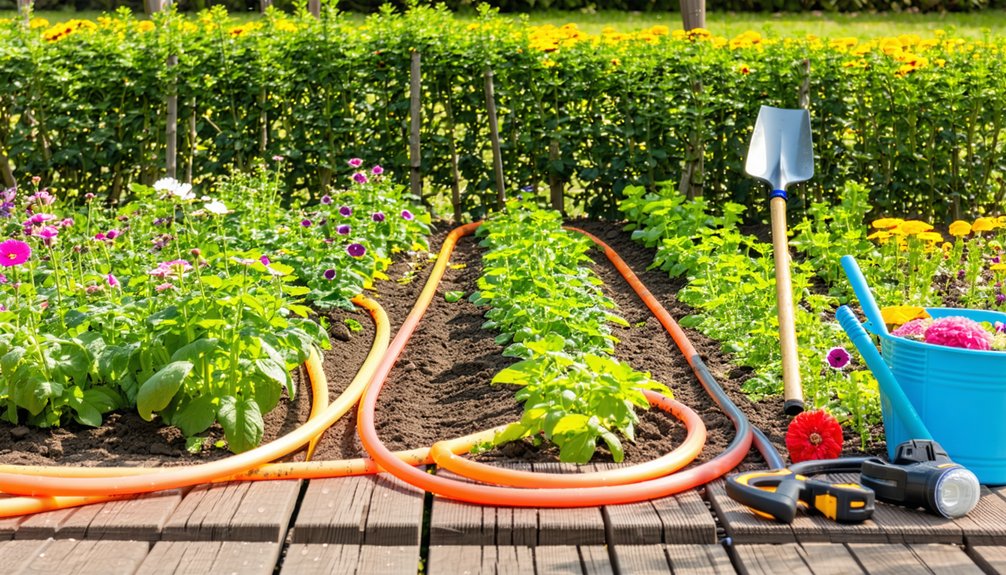
Selecting the appropriate irrigation system is crucial for effective water management in a DIY project.
Homeowners must consider various types of systems available, assess their specific water needs, and evaluate their budget constraints.
Understanding these factors will guide them in making an informed decision that suits their landscape and resources.
Types of Irrigation Systems
Choosing the right irrigation system is essential for maintaining a healthy garden or landscape, as each type offers distinct advantages tailored to specific needs. Homeowners can select from various options, including drip irrigation, sprinkler systems, and soaker hoses.
Drip irrigation delivers water directly to the roots, minimizing waste, while sprinkler systems cover larger areas efficiently. Soaker hoses are ideal for garden beds, allowing water to seep directly into the soil.
Understanding the characteristics of each system is critical during irrigation system construction. By assessing the garden layout and plant types, individuals can effectively build an irrigation system that meets their requirements.
Incorporating these systems into DIY home projects can enhance both water efficiency and garden health, making it a worthwhile investment.
Assessing Water Needs
Assessing water needs is a crucial step in designing an effective irrigation system. Homeowners should evaluate their garden or landscape’s specific requirements based on the types of plants, soil characteristics, and local climate conditions.
Factors such as plant size, growth stage, and root depth play a significant role in determining the amount of water needed. Additionally, understanding the soil’s drainage capabilities will help in selecting the appropriate irrigation method. For example, sandy soils may require more frequent watering, while clay soils retain moisture longer.
Conducting a thorough assessment ensures that the chosen irrigation system delivers the right amount of water efficiently, promoting healthy plant growth and conserving resources. Proper evaluation lays the foundation for a successful DIY irrigation project.
Budget Considerations
A well-planned budget is essential when determining the right irrigation system for a home garden. Homeowners must consider various factors, including initial costs, maintenance expenses, and water usage efficiency. By comparing different systems, one can make an informed decision that aligns with financial constraints.
| Irrigation System | Estimated Cost ($) |
|---|---|
| Drip Irrigation | 100 – 300 |
| Sprinkler System | 150 – 500 |
| Soaker Hoses | 25 – 100 |
| Automatic Timers | 50 – 200 |
Evaluating these options helps ensure that the chosen system not only meets the garden’s needs but also fits within the overall budget, thereby maximizing value and functionality.
Gather Necessary Materials and Tools
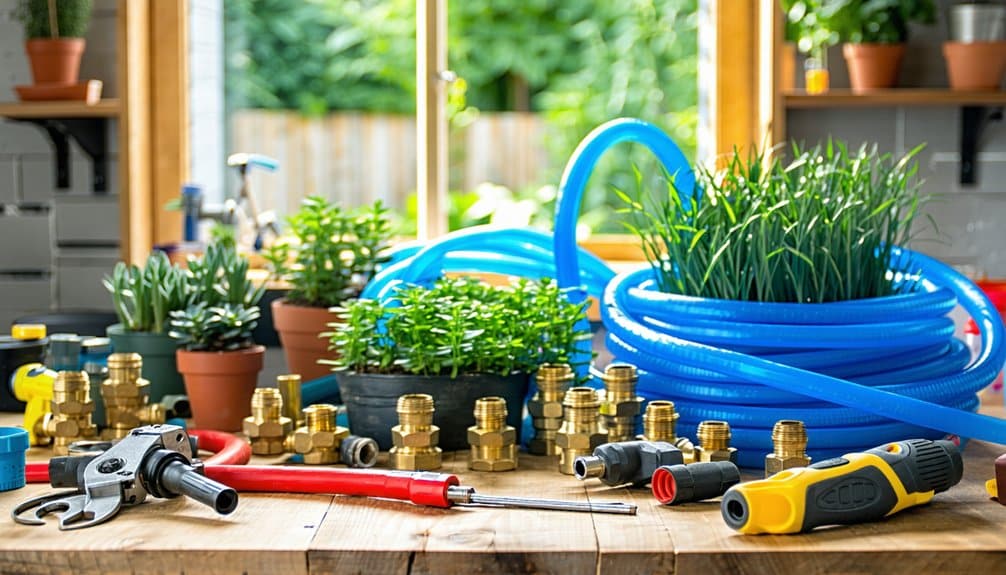
In order to create an effective DIY home irrigation system, one must first identify the essential supplies needed for the project.
A comprehensive overview of the required tools will help streamline the installation process, while budget-friendly material options can make the project more accessible.
Understanding these components is crucial for successful implementation.
Essential Supplies Needed
Creating an efficient DIY home irrigation system requires careful selection of essential supplies and tools.
Key materials include high-quality hoses, drip emitters, connectors, and stakes to secure the system in place. Additionally, a water source such as a tap or rain barrel is vital for ensuring consistent water flow.
For those looking to automate, a timer can be an invaluable addition, allowing for scheduled watering. Various fittings, like tees and elbows, are necessary for customizing the layout to fit specific garden needs.
Lastly, filters can help prevent clogging in drip systems, ensuring optimal performance. By gathering these supplies beforehand, the process of building a functional irrigation system becomes more streamlined and efficient.
Required Tools Overview
Successful installation of a DIY home irrigation system hinges on having the right tools at hand.
Essential tools include a shovel for digging trenches, a garden hose or pipe cutter for precise cuts, and a measuring tape to ensure proper spacing between components.
Additionally, a spade will assist in creating holes for fittings, while pliers may be necessary for securing connections.
A level can help ensure that the system is installed correctly, promoting efficient water flow.
A wrench is vital for tightening fittings and connections, ensuring no leaks occur.
Finally, a bucket can be useful for transporting small parts and tools around the garden.
Having these tools organized and accessible will facilitate a smooth installation process.
Budget-Friendly Material Options
Having the right tools set the stage for a seamless installation of a DIY home irrigation system. To keep costs low, individuals can choose budget-friendly materials that do not compromise on quality.
PVC pipes are an affordable option for constructing the main irrigation lines, while drip hoses can effectively deliver water directly to plant roots. Additionally, using garden stakes or recycled materials can help secure the hoses in place.
For connectors and fittings, opting for plastic versions can significantly reduce expenses. Furthermore, repurposing old containers for rainwater collection can enhance sustainability.
Plan Your Layout
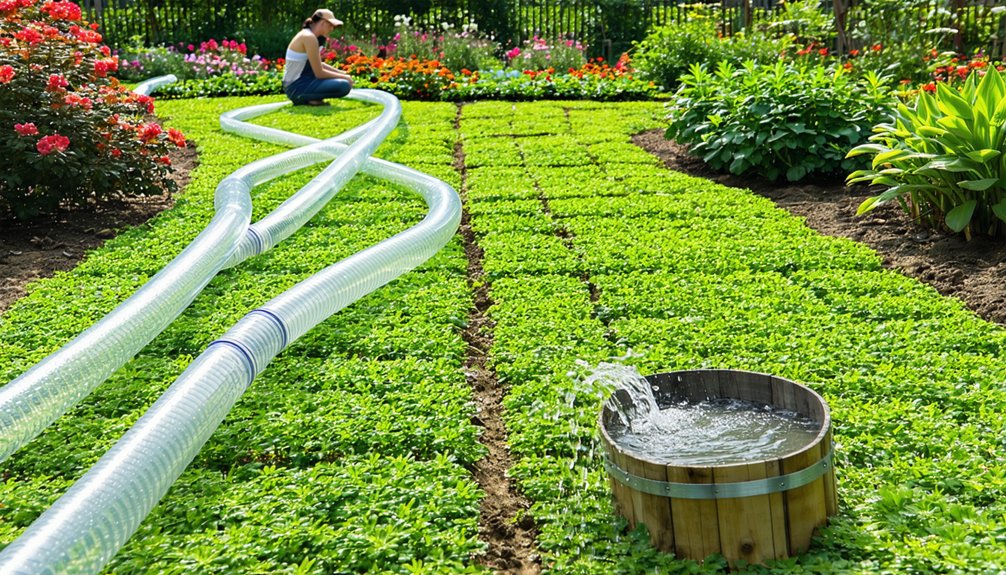
A well-planned layout is essential for an effective home irrigation system. It enables optimal water distribution and promotes healthy plant growth. Gardeners should begin by mapping out their garden space, identifying areas that require irrigation and noting the types of plants present. This strategic planning minimizes water waste and ensures that each plant receives adequate hydration.
| Importance of Planning | Emotional Impact |
|---|---|
| Prevents Overwatering | Keeps plants thriving |
| Saves Water | Reduces guilt |
| Enhances Aesthetics | Creates a beautiful space |
Install the Main Water Supply Line
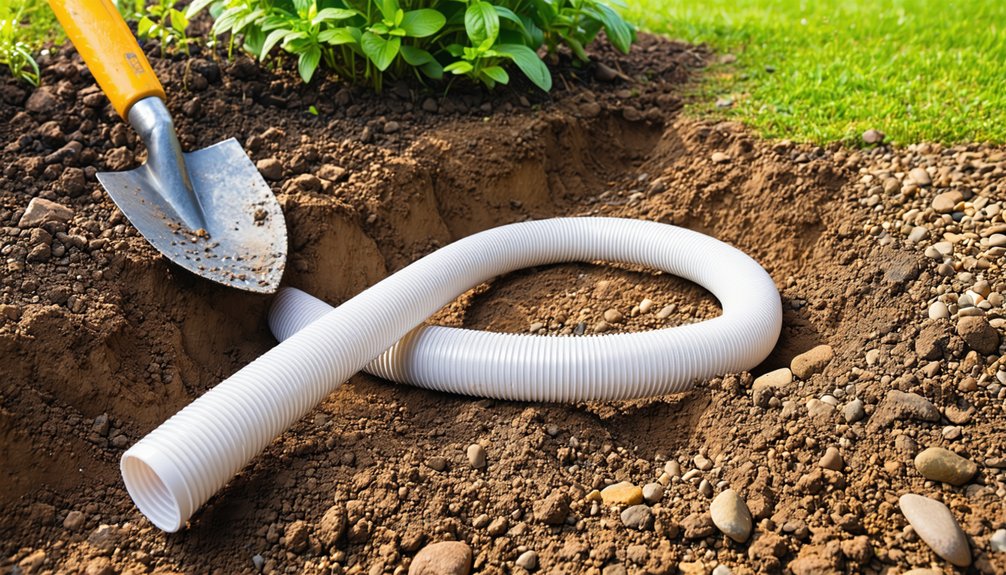
Installing the main water supply line is a crucial step in establishing an efficient home irrigation system. This line serves as the backbone, carrying water from the source to various parts of the garden.
First, it is important to select appropriate piping materials, such as PVC or polyethylene, based on local climate and soil conditions. Next, the line should be buried at a depth that protects it from freezing and damage.
Using a trenching tool, a narrow trench is dug along the planned route to ensure proper placement. Connect the main line to the water source, ensuring a secure fit to prevent leaks.
Finally, test the system for flow and pressure, making adjustments as necessary to ensure optimal performance.
Set Up Drip Lines or Sprinklers
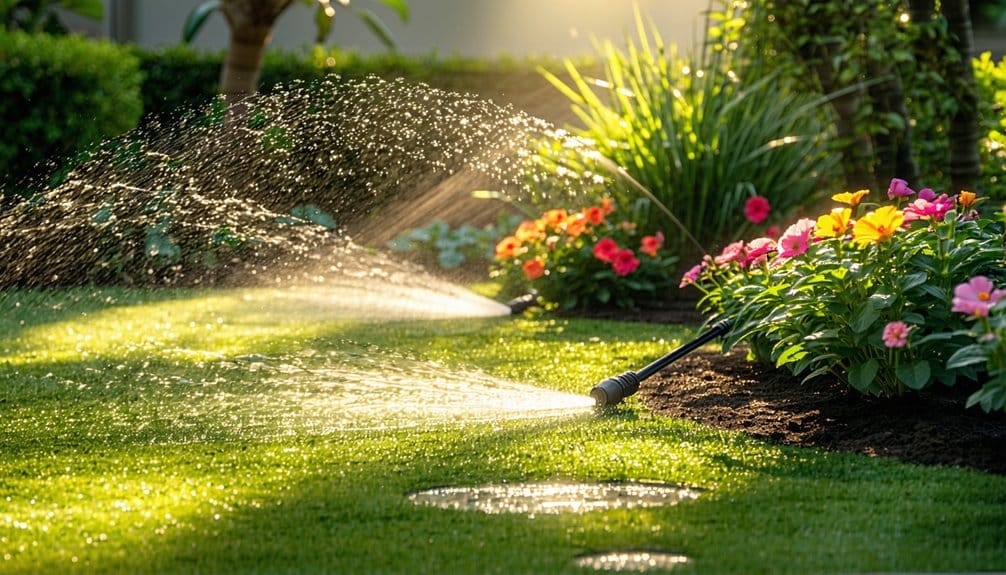
Choosing the right irrigation method is essential for ensuring that plants receive the appropriate amount of water. Homeowners can opt for either drip lines or sprinklers, depending on the needs of their garden.
Drip lines deliver water directly to the roots of plants, minimizing evaporation and runoff. They are particularly beneficial for vegetable gardens and flower beds, where precision watering is critical.
On the other hand, sprinklers provide broader coverage, making them ideal for lawns and larger areas.
When setting up, it is important to position drip emitters or sprinkler heads to ensure even distribution. Additionally, homeowners should consider the water pressure and the layout of their garden to optimize the efficiency of the irrigation system.
Test and Adjust Your System
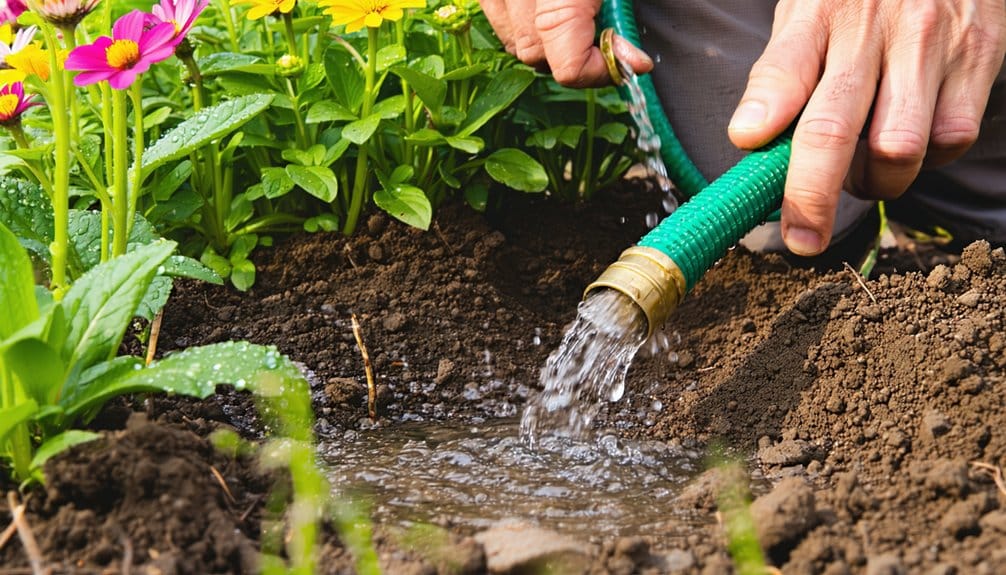
After setting up drip lines or sprinklers, testing and adjusting the irrigation system is vital for optimal performance. This process involves running the system and observing its operation.
Homeowners should check for uniform water coverage, ensuring that all plants receive adequate moisture. They should look for areas of over-saturation or dry spots, which may indicate the need for adjustments.
Additionally, it is essential to verify that pressure levels are appropriate, as excessive pressure can damage components. Adjusting the timer settings based on seasonal changes can also enhance efficiency.
Regular testing, particularly after significant weather changes, ensures the system remains effective. By conducting these evaluations, homeowners can maintain a healthy garden while conserving water usage.
Conclusion
In conclusion, building a DIY home irrigation system can significantly enhance garden efficiency and plant health. By following these seven easy steps—assessing water needs, selecting the appropriate system, gathering materials, planning the layout, installing the main line, setting up drip lines or sprinklers, and testing the system—gardeners can create a tailored irrigation solution. This proactive approach not only conserves water but also ensures that plants receive the optimal moisture they require for thriving growth.