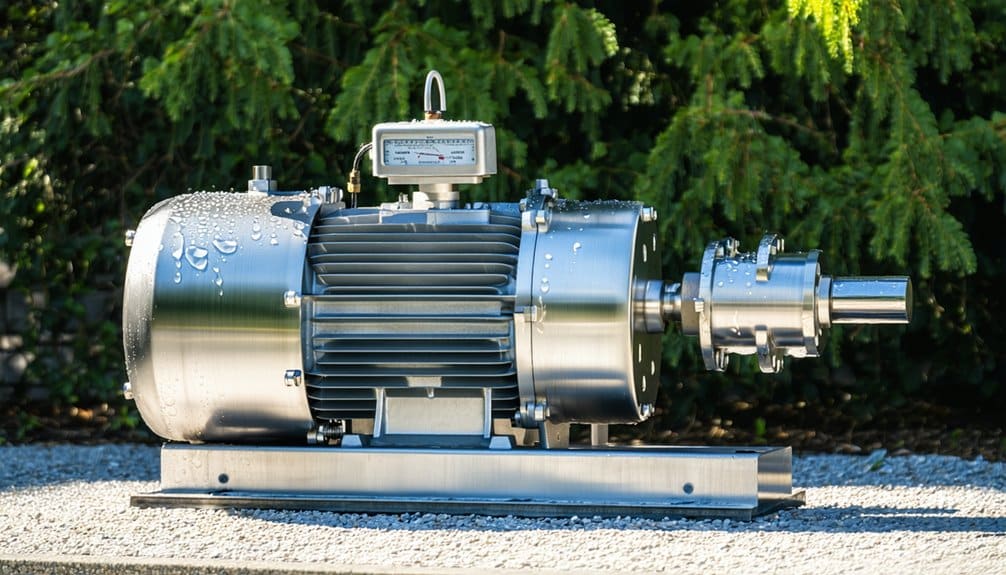
A quality water storage tank pump must prioritize durability and efficiency; discover the six crucial features that can enhance your water distribution system.
A quality water storage tank pump is essential for effective water distribution. Several features significantly influence its performance and longevity. Durability, energy efficiency, flow rate, and noise levels are among the critical aspects to consider. Additionally, maintenance and serviceability play pivotal roles in ensuring consistent operation. Understanding these features can help one make an informed choice. What specific characteristics should one prioritize when selecting a pump for their needs?
Key Takeaways
Durability and Material Quality: Robust materials like stainless steel enhance longevity and resistance to corrosion for reliable pump performance over time.
Energy Efficiency: High-efficiency pumps reduce energy consumption and operational costs, benefiting both the environment and your budget.
Flow Rate and Pressure Capability: The pump must deliver an optimal flow rate and maintain consistent pressure for reliable water distribution.
Noise Level and Operation: Quieter pumps improve user comfort and require less maintenance, making for a more pleasant experience.
Maintenance and Serviceability: Easy access for routine maintenance helps identify issues early and ensures the pump operates efficiently over its lifespan.
Durability and Material Quality
Durability and material quality are critical factors in the performance of water storage tank pumps. A durable water pump is designed to withstand harsh conditions and prolonged use, ensuring reliability over time.
Quality water pumps often incorporate robust materials such as stainless steel or high-grade plastics, which resist corrosion and wear. This resilience not only enhances the longevity of the pump but also contributes to its efficiency.
An efficient water pump minimizes energy consumption while maintaining optimal performance, making it a valuable investment for any water storage system. When selecting a pump, it is essential to prioritize both durability and material quality to ensure a dependable and effective solution for water management needs.
Energy Efficiency
While selecting a water storage tank pump, energy efficiency emerges as a vital criterion that impacts both operational costs and environmental sustainability. A high-efficiency water tank pump not only reduces energy consumption but also minimizes greenhouse gas emissions, aligning with modern environmental standards.
Key water tank pump features such as variable speed drives and smart technology enhance energy efficiency by adjusting operational parameters based on demand. Additionally, pumps designed with energy-efficient motors can significantly lower electricity expenses over time.
Selecting a water storage tank pump that prioritizes energy efficiency ensures long-term savings and contributes positively to ecological preservation. Consequently, buyers should carefully evaluate these features to maximize performance while minimizing energy use.
Flow Rate and Pressure Capability
The flow rate and pressure capability of water storage tank pumps are crucial for ensuring effective water distribution.
An optimal flow rate guarantees that sufficient water reaches the intended destinations without delays.
Additionally, maintaining pressure consistency is essential for reliable performance across varying demand levels.
Optimal Flow Rate
An optimal flow rate is crucial for the effective operation of water storage tank pumps, as it directly influences both efficiency and performance. A pump’s capacity to deliver water at the right flow rate ensures that systems function smoothly, preventing potential water shortages or overflows.
Key factors to consider for achieving optimal flow rates include:
Pump Size: Selecting a pump that matches the required flow demand is essential for maintaining efficiency.
Pipe Diameter: Proper pipe sizing minimizes friction losses, allowing for better flow rates and reduced energy consumption.
Motor Power: Adequate motor power is necessary to sustain the desired flow rate, ensuring reliable operation under varying conditions.
Understanding these elements can significantly enhance the effectiveness of water storage tank pumps, promoting long-term functionality.
Pressure Consistency
Maintaining consistent pressure is vital for the effective operation of water storage tank pumps, as it directly impacts flow rate and overall system performance. A pump’s ability to sustain stable pressure ensures that water is delivered efficiently to various outlets within a system.
Fluctuations in pressure can lead to inadequate flow rates, resulting in potential system failures or user dissatisfaction. Quality pumps are designed with pressure regulation features that accommodate varying demands, ensuring adequate supply during peak usage.
Additionally, resistance to pressure drops is essential, particularly in larger systems where distance and elevation can affect water delivery. Ultimately, a pump that excels in pressure consistency not only enhances operational efficiency but also prolongs the lifespan of the entire water supply system.
Noise Level and Operation
In evaluating water storage tank pumps, noise level and operation are critical factors.
Effective sound insulation techniques can significantly enhance the user experience by minimizing disruptive noise during operation.
A quieter pump not only improves comfort but also reflects its quality and efficiency.
Sound Insulation Techniques
Although the operation of water storage tank pumps is essential for efficient water management, noise levels can become a significant concern for residential and commercial settings.
Implementing sound insulation techniques can effectively mitigate these issues, enhancing user comfort. Key methods include:
Acoustic Enclosures: Installing soundproof enclosures around the pump can significantly reduce noise emissions while maintaining accessibility for maintenance.
Vibration Isolation Pads: Utilizing rubber or foam pads helps absorb vibrations, preventing them from transferring to surrounding structures and amplifying sound levels.
Sound Barrier Materials: Adding sound-absorbing materials, such as acoustic panels or insulation, to walls and ceilings can further dampen noise generated by pump operations.
These strategies not only improve the acoustic environment but also contribute to overall system efficiency.
Quiet Operation Importance
Quiet operation of water storage tank pumps plays a significant role in both residential and commercial environments. Excessive noise can disrupt daily activities and create an uncomfortable atmosphere, particularly in homes where tranquility is valued.
In commercial settings, such as hospitals or offices, noise can interfere with productivity and patient care. Therefore, selecting a pump designed for low noise emission is crucial. These pumps often utilize advanced technology and sound insulation techniques to minimize operational sounds.
Additionally, quieter pumps can enhance energy efficiency, as they may operate more smoothly and require less maintenance over time. Ultimately, prioritizing quiet operation contributes to a more pleasant environment, ensuring the functionality of water storage systems without compromising comfort.
Maintenance and Serviceability
Proper maintenance and serviceability are essential for ensuring the longevity and efficiency of water storage tank pumps.
Regular upkeep can prevent costly repairs and ensure optimal performance.
Key aspects of maintenance include:
Routine Inspections: Regular checks for leaks, corrosion, and wear can help identify issues before they escalate.
Cleaning: Keeping the pump and surrounding area clean prevents dirt and debris from affecting performance and promotes operational efficiency.
Lubrication: Ensuring moving parts are adequately lubricated reduces friction and wear, prolonging the life of the pump.
Safety Features and Compliance
Safety features and compliance standards are critical components of water storage tank pumps, ensuring both user protection and adherence to regulatory requirements.
These pumps must be designed with materials that resist corrosion and contaminants, safeguarding the quality of stored water. Additionally, they should include pressure relief valves and automatic shut-off systems to prevent overpressure situations.
Compliance with industry standards, such as those set by the American National Standards Institute (ANSI) and the National Sanitation Foundation (NSF), is essential for manufacturers to guarantee safety and reliability.
Regular testing and certification can further assure that pumps meet necessary performance and safety benchmarks.
Ultimately, prioritizing these features fosters trust among users and promotes safe water storage practices.
Conclusion
In conclusion, selecting a quality water storage tank pump requires careful consideration of several critical features. Durability and material quality ensure longevity, while energy efficiency contributes to cost savings. Adequate flow rate and pressure capability are essential for reliable water distribution. Additionally, low noise levels enhance user comfort, and ease of maintenance ensures operational efficiency. By prioritizing these features, consumers can invest in a pump that meets their needs and promotes sustainable water management practices.
“Lorem ipsum dolor sit amet, consectetur adipiscing elit, sed do eiusmod tempor incididunt ut labore et dolore magna aliqua. Ut enim ad minim veniam, quis nostrud exercitation ullamco laboris nisi ut aliquip ex ea commodo consequat. Duis aute irure dolor in reprehenderit in voluptate velit esse cillum dolore eu fugiat nulla pariatur. Excepteur sint occaecat cupidatat non proident, sunt in culpa qui officia deserunt mollit anim id est laborum.”