Maintaining a well water irrigation pump is crucial for optimal performance and longevity. Regular inspections and proper upkeep can prevent costly repairs and ensure efficient operation. From monitoring pressure levels to lubricating moving parts, each maintenance task plays a vital role. Understanding these key practices can make a significant difference. What are the specific steps that can enhance the functionality of your irrigation system?
Key Takeaways
- Conduct regular inspections for leaks, secure connections, and evaluate pressure gauges to ensure optimal performance.
- Maintain clean filters and replace clogged ones to protect the pump and enhance water flow.
- Monitor and calibrate pressure levels to maintain efficiency and prevent system damage.
- Inspect electrical connections for wear, moisture, and ensure proper voltage levels to avoid failures.
- Schedule professional maintenance to identify issues early and extend the lifespan of your irrigation pump.
Regularly Inspect the Pump System
Regular inspections of the pump system are essential for maintaining optimal performance. For those utilizing well water, ensuring the irrigation pump operates efficiently is vital for crop health and water conservation.
A thorough inspection should include assessing the pump’s physical condition, checking for leaks, and ensuring all components are securely fastened. Observing the pressure gauges can reveal any irregularities in performance, indicating potential issues.
Additionally, evaluating the electrical connections and control panel can prevent unexpected failures. Regular pump maintenance not only extends the lifespan of the irrigation pump but also enhances its efficiency, ultimately leading to better resource management.
Check and Replace Filters
Maintaining clean filters is crucial for the efficiency of a well water irrigation pump. Clogged or dirty filters can restrict water flow, leading to decreased performance and potential damage to the pump system.
Regular well maintenance should include checking filters every few months, especially during peak irrigation seasons. Depending on the type of filter, cleaning or replacing may be necessary.
A clean filter ensures optimal water flow and protects the pump from harmful debris. If the filters are significantly contaminated, replacing them is often the best option.
Monitor Pressure Levels
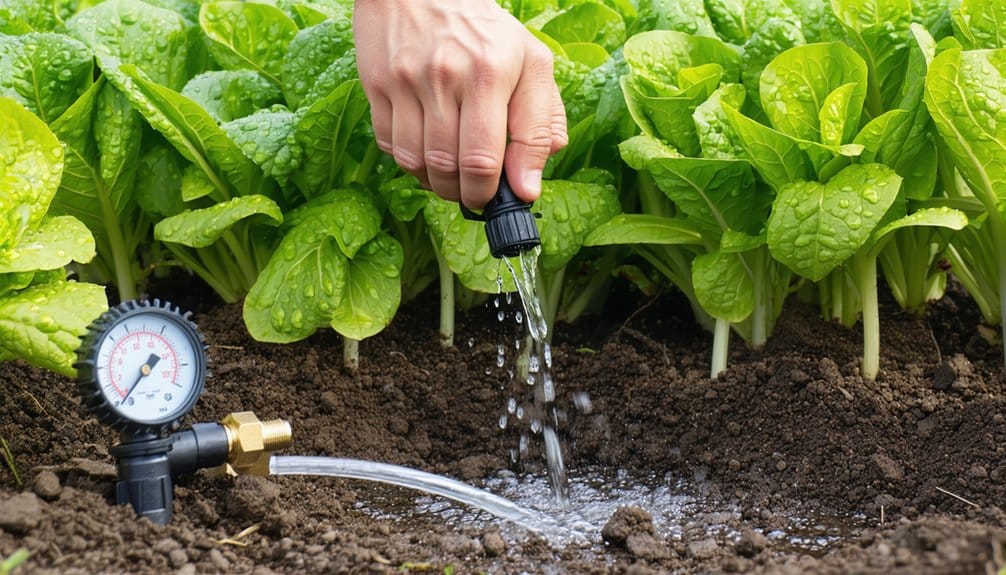
Pressure levels play a vital role in the performance of a well water irrigation pump. Monitoring these levels ensures optimal functionality and prevents potential damage to the system.
Regular checks can help identify issues early, allowing for timely interventions.
Key aspects to consider when monitoring pressure levels include:
- Optimal Pressure Range: Familiarize yourself with the ideal pressure range for your specific pump model.
- Pressure Gauge Maintenance: Ensure that the pressure gauge is functioning correctly and is free from obstructions.
- Adjustments and Calibration: Periodically adjust and calibrate your pump settings to maintain consistent pressure levels.
Clean the Pump Components
Cleaning the pump components is essential for optimal performance and longevity.
Regular inspection for debris and sediment, along with checking for wear and tear, can prevent operational issues.
Maintaining clean parts ensures efficient water flow and reduces the risk of pump failure.
Regularly Inspect Components
While regular maintenance is essential for optimal performance, inspecting and cleaning the pump components of a well water irrigation system cannot be overlooked.
Neglecting this aspect can lead to reduced efficiency and potential breakdowns. A thorough inspection allows for the early detection of issues, ensuring the system operates smoothly.
Key components to focus on during inspections include:
- Check the seals: Ensure they are intact and free from leaks.
- Examine electrical connections: Look for signs of wear or corrosion that could affect performance.
- Assess the pressure gauge: Verify that it is functioning correctly and providing accurate readings.
Remove Debris and Sediment
Debris and sediment accumulation can significantly hinder the performance of a well water irrigation pump. Regular cleaning of the pump components is essential to ensure optimal functionality.
This process begins with disconnecting the power supply and carefully removing the pump from its housing. Once accessible, the intake screen and impeller should be inspected for any buildup of dirt, sand, or algae. A soft brush or cloth can be used to gently scrub these components, ensuring that all contaminants are removed.
Additionally, it is advisable to flush the pump with clean water to eliminate any remaining particles. After cleaning, reassemble the pump carefully and reconnect it to the power supply, ensuring that it operates efficiently and effectively for irrigation needs.
Check for Wear and Tear
Regularly checking for wear and tear on the well water irrigation pump is crucial for maintaining its efficiency and longevity.
Neglecting this aspect can lead to decreased performance and costly repairs. Key components should be inspected and cleaned to ensure optimal operation.
- Inspect seals and gaskets: Look for cracks or degradation that could lead to leaks.
- Examine impellers: Check for any signs of wear that may affect water flow.
- Clean filters and screens: Remove any blockages that could hinder pump performance.
Test for Electrical Issues
Testing for electrical issues is crucial for the efficient operation of a well water irrigation pump.
Inspecting wiring connections and monitoring voltage levels can help identify potential problems before they escalate.
Regular checks in these areas ensure the longevity and reliability of the system.
Inspect Wiring Connections
Electrical integrity is crucial for the optimal performance of a well water irrigation pump. Regular inspection of wiring connections helps prevent operational failures and ensures the system runs efficiently.
Neglecting this aspect may lead to serious electrical issues that can compromise the pump’s functionality.
To effectively inspect wiring connections, consider the following:
- Check for Loose Connections: Ensure that all wires are securely connected to their terminals to avoid intermittent power loss.
- Look for Signs of Wear: Examine wires for fraying, cracking, or corrosion that could lead to short circuits.
- Test for Moisture Ingress: Moisture can cause significant electrical problems; ensure connections are dry and well-sealed.
Maintaining these connections will enhance the longevity and reliability of the irrigation pump system.
Monitor Voltage Levels
Monitoring voltage levels is essential for identifying potential electrical issues in a well water irrigation pump. Regular voltage checks can reveal fluctuations that may indicate underlying problems, such as overheating or short circuits.
A multimeter can be employed to measure voltage accurately, ensuring that the pump operates within its specified range. If the readings are consistently low or high, it may signal a failing pump motor or issues within the electrical supply.
Additionally, monitoring voltage can help prevent damage caused by electrical surges, which can significantly affect the pump’s lifespan. Thus, incorporating voltage monitoring into routine maintenance can lead to timely interventions, ultimately enhancing the efficiency and reliability of the irrigation system.
Examine the Water Source
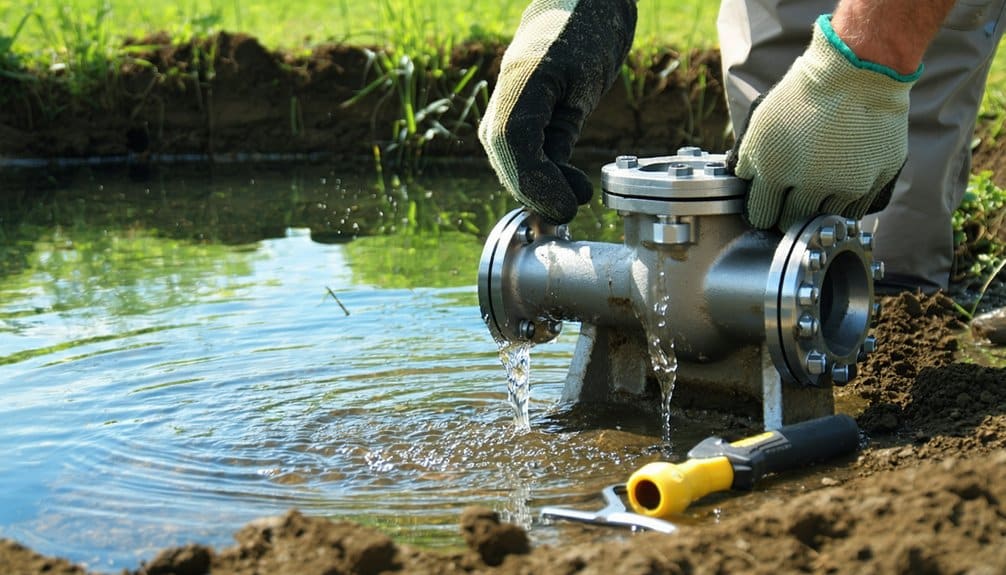
A thorough examination of the water source is crucial for ensuring the efficient operation of a well water irrigation pump.
Regular assessments help identify potential issues that could affect water quality and pump performance.
Key aspects to consider during this examination include:
- Water Clarity: Ensure the water is free from visible contaminants or sediment that could damage the pump.
- Flow Rate: Measure the flow to confirm that it meets the pump’s requirements for optimal operation.
- Chemical Composition: Test for pH levels and harmful substances, as imbalances can lead to corrosion or other complications.
Lubricate Moving Parts
After assessing the water source, attention must turn to the maintenance of the irrigation pump itself, particularly in the lubrication of moving parts.
Proper lubrication is essential for ensuring efficient operation and prolonging the life of the pump. It reduces friction, minimizes wear, and helps prevent overheating. Regularly check the manufacturer’s guidelines for recommended lubricants and intervals.
Typically, oil-based lubricants are used for bearings, while grease may be suitable for other components. It is crucial to clean the moving parts before applying lubricant to avoid trapping dirt.
Additionally, operators should inspect for leaks or signs of wear during lubrication. By maintaining well-lubricated moving parts, the pump can function at optimal performance for years to come.
Flush the System Periodically
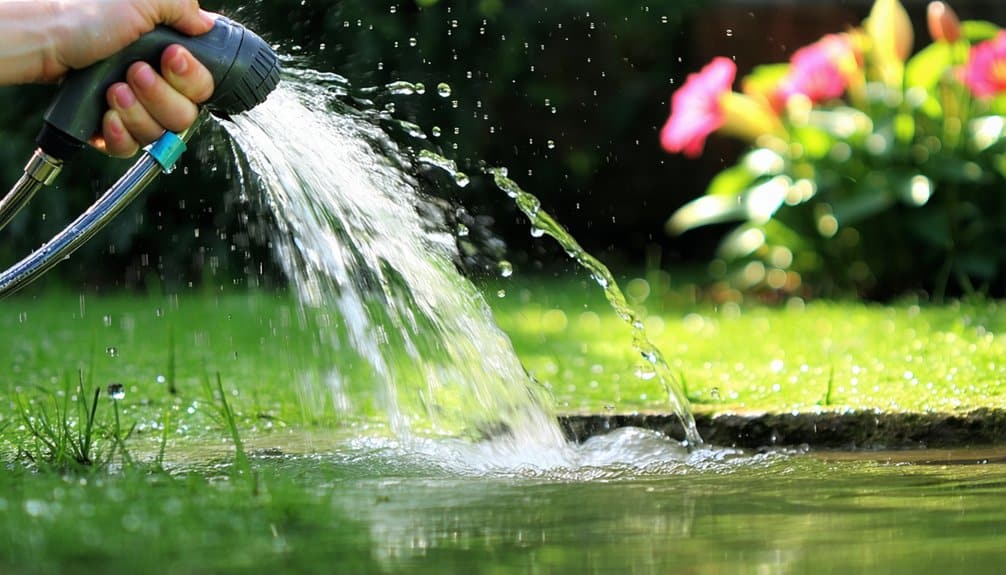
Flushing the irrigation system periodically is essential for maintaining optimal water quality and pump performance. Over time, sediment and mineral buildup can occur, which may hinder the efficiency of the pump and affect water quality.
Regular flushing helps to eliminate these contaminants, ensuring a clean and efficient system.
Key benefits of periodic flushing include:
- Improved Water Quality: Removes impurities and ensures that clean water reaches the irrigation system.
- Enhanced Pump Efficiency: Prevents clogs and reduces strain on the pump, extending its lifespan.
- Reduced Maintenance Costs: Minimizes the need for repairs and professional servicing by addressing issues early.
Incorporating this practice into routine maintenance will contribute significantly to the longevity and effectiveness of the well water irrigation pump.
Schedule Professional Maintenance
Scheduling professional maintenance for a well water irrigation pump is crucial to ensure its optimal performance and longevity.
Regular inspections by certified technicians can identify potential issues before they escalate into costly repairs. These professionals assess the pump’s mechanical components, electrical systems, and plumbing connections, ensuring everything operates efficiently. They check for wear and tear, lubricate moving parts, and replace filters, which can significantly enhance the pump’s efficiency.
Furthermore, scheduling maintenance annually or semi-annually aligns with seasonal demands, preparing the system for high usage periods. Engaging professionals not only guarantees compliance with safety regulations but also extends the lifespan of the irrigation pump, ultimately leading to a more reliable and effective irrigation system.
Conclusion
By following these nine essential maintenance tips, well water irrigation pump owners can significantly enhance the system’s efficiency and longevity. Regular inspections, proper filtration, and monitoring of pressure levels are crucial practices that ensure optimal performance. Additionally, addressing electrical issues, lubricating moving parts, and scheduling professional maintenance can prevent costly repairs and improve water quality. Ultimately, diligent upkeep not only safeguards the irrigation system but also supports sustainable agricultural practices, benefiting both the environment and crop health.