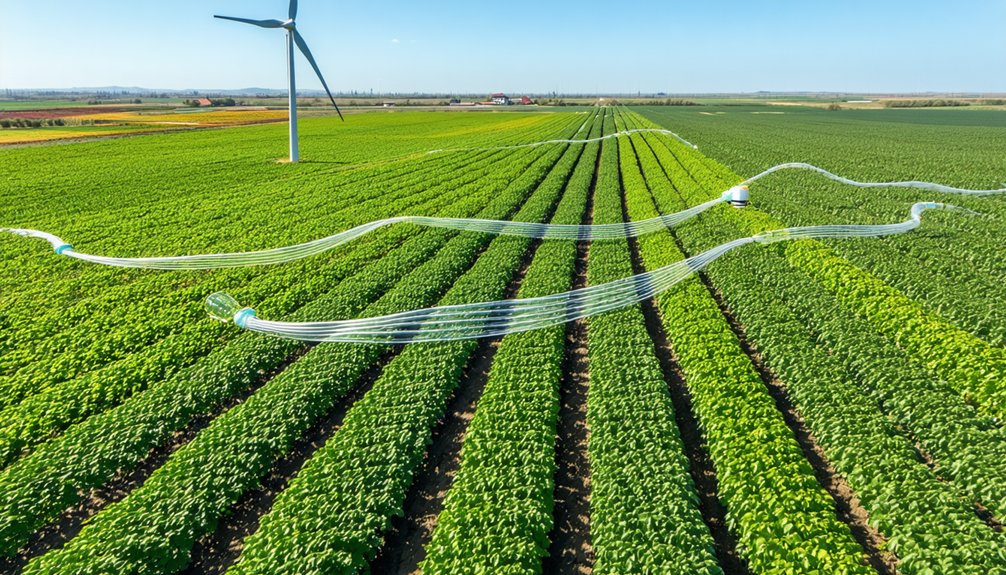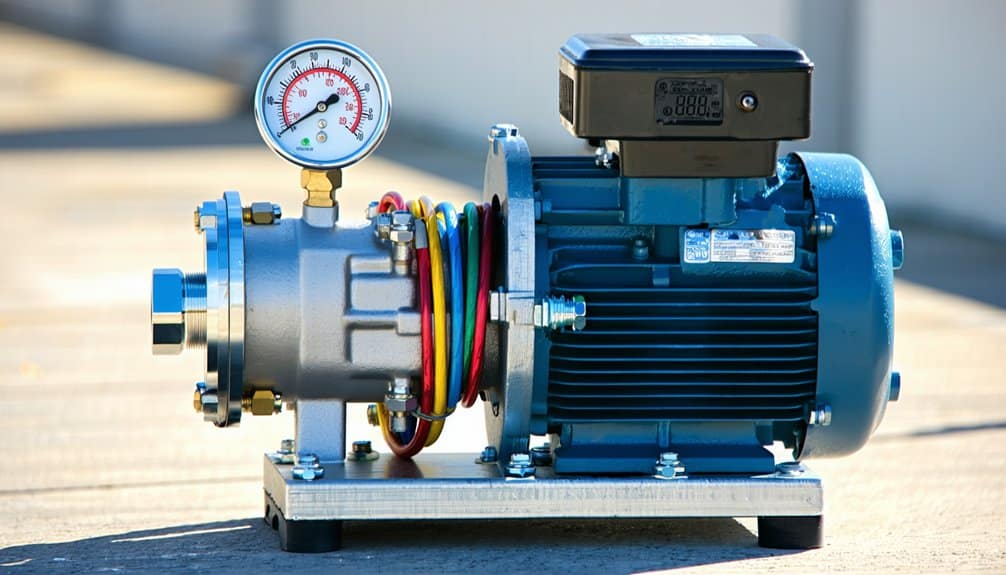
High-pressure irrigation pumps are essential tools in modern agriculture. They enhance water distribution efficiency through various innovative features. These pumps provide adjustable pressure settings, ensuring that crops receive the right amount of moisture. Their durability allows them to endure challenging weather conditions, a crucial factor for long-term use. As technology evolves, so do the capabilities of these pumps. Exploring their specific features reveals how they can transform agricultural practices significantly.
Key Takeaways
- High-pressure irrigation pumps optimize water delivery, ensuring uniform distribution and promoting efficient water conservation for crops.
- Customizable pressure settings enhance energy efficiency by tailoring water flow to specific irrigation needs and conditions.
- Durable construction materials provide resistance to corrosion and weather, ensuring longevity in high-pressure environments.
- Advanced motor technologies and smart features optimize energy consumption and allow for remote monitoring and adjustments.
- User-friendly interfaces with touch-sensitive screens simplify operation and provide real-time data for effective management.
Enhanced Water Distribution Efficiency
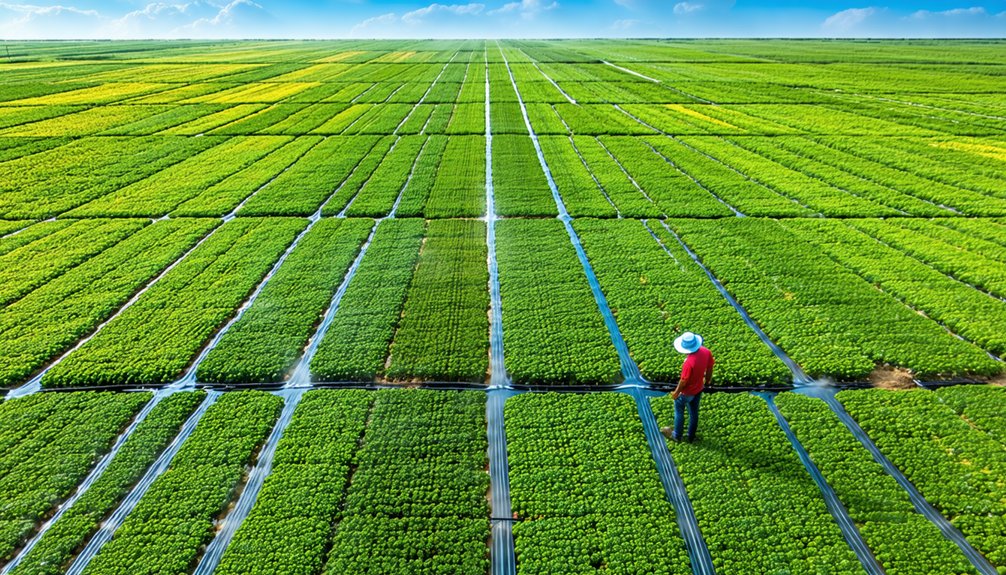
As agricultural practices evolve, enhanced water distribution efficiency becomes increasingly crucial for sustainable irrigation systems. A high-pressure irrigation pump plays a vital role in achieving this efficiency, offering various features that optimize water delivery.
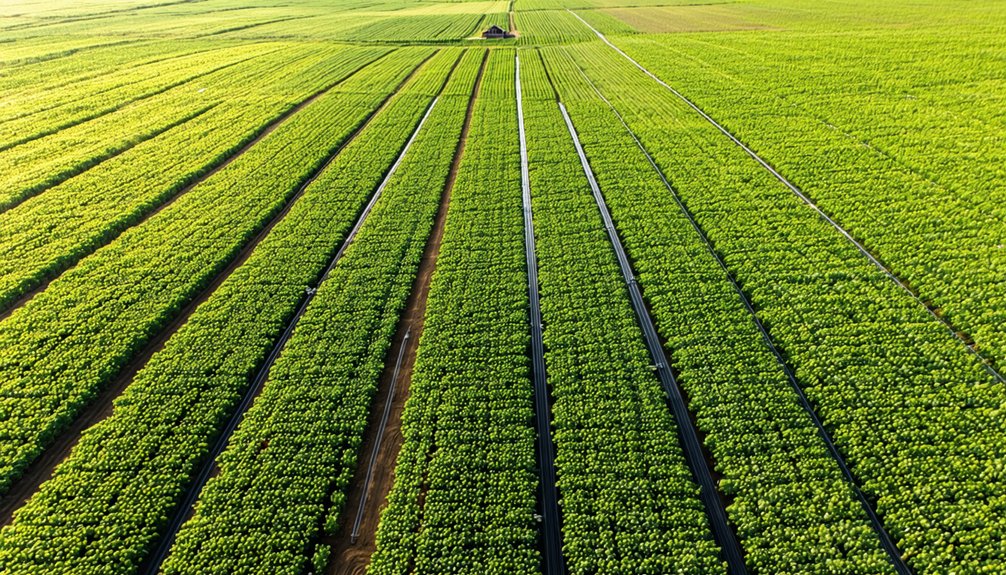
These pumps are designed to distribute water uniformly across fields, ensuring that crops receive adequate moisture while minimizing waste. Key irrigation pump features include robust construction for durability and advanced technology for monitoring water flow.
By utilizing high-pressure systems, farmers can implement precise irrigation techniques that promote water conservation in agriculture. This not only supports healthy crop growth but also addresses the pressing need for sustainable resource management in farming practices.
Ultimately, efficient water distribution is essential for both ecological balance and agricultural productivity.
Adjustable Pressure Settings
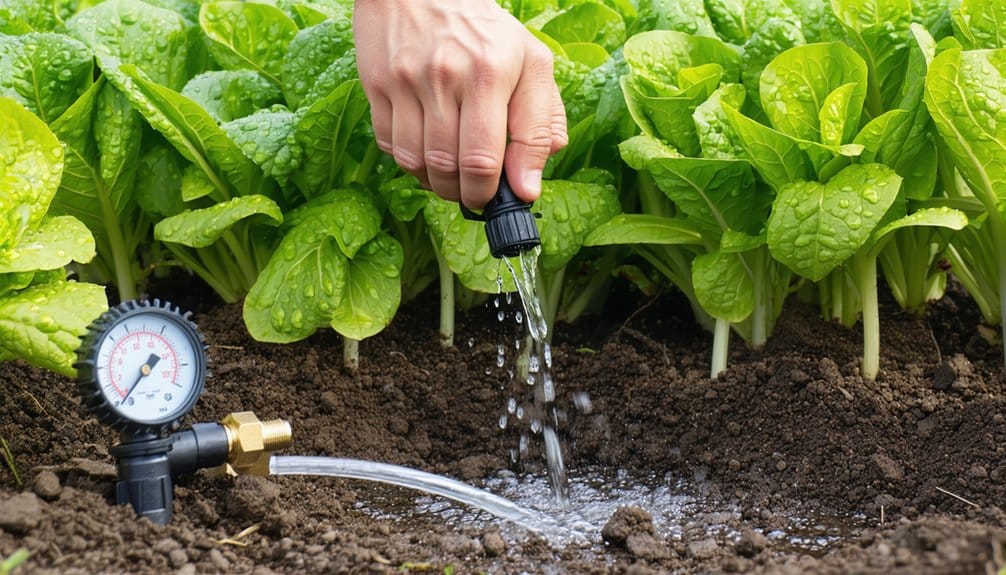
Adjustable pressure settings in high-pressure irrigation pumps offer significant advantages for customized water flow.
This feature not only enhances energy efficiency but also allows for versatile application across various irrigation needs.
Customized Water Flow
Customizing water flow through adjustable pressure settings allows users to fine-tune irrigation systems to meet specific agricultural needs.
This feature is essential for optimizing water distribution, ensuring that crops receive the right amount of moisture based on their growth stage and type.
By utilizing efficient farming equipment with adjustable pressure, farmers can adapt to varying soil conditions and weather patterns, leading to improved water management.
This adaptability not only conserves water but also contributes to increased crop yield by promoting healthier plant growth.
With the ability to adjust pressure settings, users can efficiently manage resources, resulting in a more sustainable and productive agricultural operation.
Energy Efficiency Optimization
Often, energy efficiency is significantly enhanced through the use of adjustable pressure settings in high-pressure irrigation pumps. These settings allow operators to customize the pressure based on specific irrigation needs, leading to reduced energy consumption.
The optimization of energy efficiency can be illustrated by the following benefits:
- Reduced Energy Costs: Lower pressure settings during less demanding irrigation cycles minimize energy expenditure.
- Extended Equipment Life: Operating at optimal pressure reduces wear and tear on pump components, prolonging their lifespan and decreasing maintenance costs.
- Improved System Performance: Adjustable pressure settings enable better water distribution, enhancing overall irrigation effectiveness and reducing water waste.
Versatile Application Use
While many irrigation systems have specific pressure requirements, high-pressure irrigation pumps equipped with adjustable pressure settings offer remarkable versatility across diverse agricultural applications.
These pumps allow users to tailor the pressure output according to the unique needs of various crops and soil types. Farmers can easily switch between low, medium, and high-pressure settings, adapting to different irrigation methods such as drip, sprinkler, or surface irrigation.
This flexibility not only enhances efficiency but also promotes optimal water usage, reducing waste. Furthermore, adjustable pressure settings enable the integration of innovative technologies like fertigation and chemigation, facilitating nutrient delivery alongside irrigation.
As a result, high-pressure irrigation pumps with adjustable settings become invaluable tools for modern agricultural practices.
Durability and Build Quality
Durability and build quality are critical factors in the performance of high-pressure irrigation pumps.
The selection of materials significantly impacts the pump’s resistance to weather conditions and overall longevity.
A well-constructed pump not only minimizes maintenance needs but also ensures reliable operation over time.
Material Selection Importance
Material selection is crucial in the design and functionality of high-pressure irrigation pumps, significantly influencing their durability and overall build quality.
The materials used must withstand mechanical stress and resist wear over time. Key factors in material selection include:
- Corrosion Resistance: Materials should resist corrosion to ensure longevity, especially when exposed to water and various chemicals.
- Strength and Hardness: Strong materials provide the necessary structural integrity to handle high-pressure environments without failure.
- Weight Considerations: Lightweight materials enhance ease of installation and reduce strain on pump components.
Weather Resistance Features
The performance of high-pressure irrigation pumps is significantly affected by their ability to withstand various weather conditions.
Pumps designed with weather resistance features typically incorporate materials and coatings that enhance durability against elements such as rain, snow, and UV exposure. The casing and components are often constructed from corrosion-resistant alloys or plastics, ensuring longevity in harsh environments.
Seals and gaskets are engineered to prevent water ingress, protecting internal mechanisms from moisture damage. Additionally, high-pressure irrigation pumps may include features like thermal protection to guard against overheating in extreme temperatures.
Collectively, these weather resistance attributes contribute to the overall reliability and efficiency of the pump, ensuring it operates effectively regardless of the environmental challenges it may face.
Maintenance and Longevity
While regular maintenance is crucial for optimal performance, the longevity of high-pressure irrigation pumps also heavily relies on their build quality and design. A well-constructed pump can withstand harsh conditions and reduce the frequency of repairs.
Key factors that contribute to durability include:
- Material Quality: Pumps made from corrosion-resistant materials, such as stainless steel or high-density plastics, ensure a longer lifespan.
- Sealing Mechanisms: Effective seals prevent water and debris intrusion, safeguarding internal components from damage.
- Motor Design: An efficient motor that minimizes overheating and wear contributes significantly to the pump’s overall longevity.
Energy Efficiency Features
Energy efficiency features in high-pressure irrigation pumps play a crucial role in reducing operational costs and minimizing environmental impact.
These pumps often incorporate advanced motor technologies, such as variable frequency drives, which optimize power consumption by adjusting the pump speed according to demand. Additionally, high-efficiency impellers are designed to maximize water flow while minimizing energy loss.
Many models also feature automatic shut-off capabilities that prevent unnecessary energy use when irrigation is not required. Furthermore, some pumps utilize smart technology to monitor and analyze energy consumption patterns, enabling users to make informed adjustments for further efficiency gains.
User-Friendly Controls
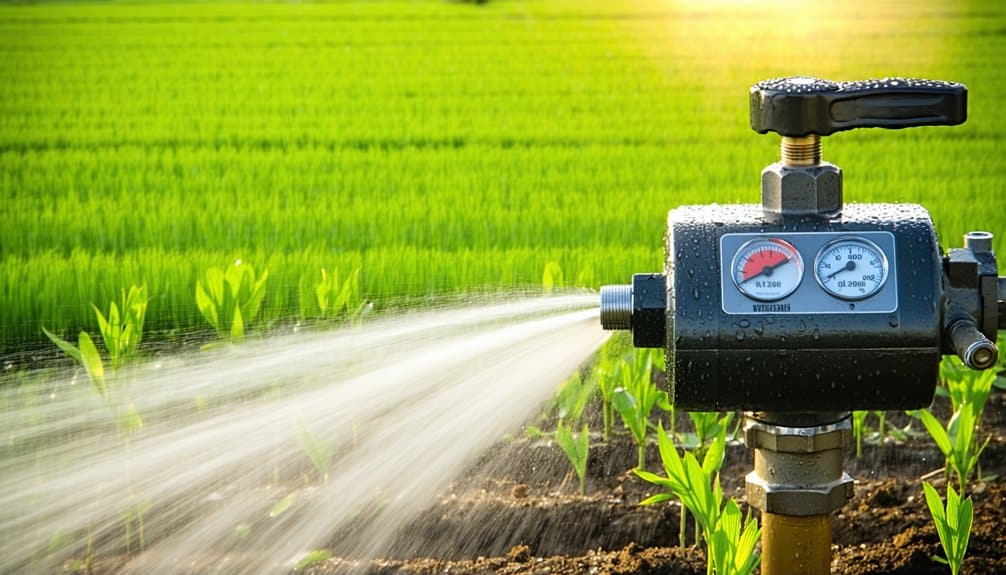
How do user-friendly controls enhance the operation of high-pressure irrigation pumps? These controls simplify the user experience, making it easier for operators to manage complex tasks. Intuitive interfaces allow for quick adjustments, ensuring optimal performance and efficiency.
Key features of user-friendly controls include:
- Touchscreen Displays: Modern pumps often feature large, touch-sensitive screens that provide real-time data and easy navigation through settings.
- One-Touch Operation: Simplifying the start and stop functions minimizes the learning curve, allowing users to focus on irrigation needs rather than complicated procedures.
- Remote Monitoring: Many high-pressure irrigation pumps support remote access, enabling users to monitor and control operations from a distance, enhancing convenience and flexibility.
Together, these features contribute to a more efficient and user-friendly irrigation system.
Versatile Application Compatibility
Versatile application compatibility is a crucial feature of high-pressure irrigation pumps, allowing them to be used across various agricultural and landscaping settings.
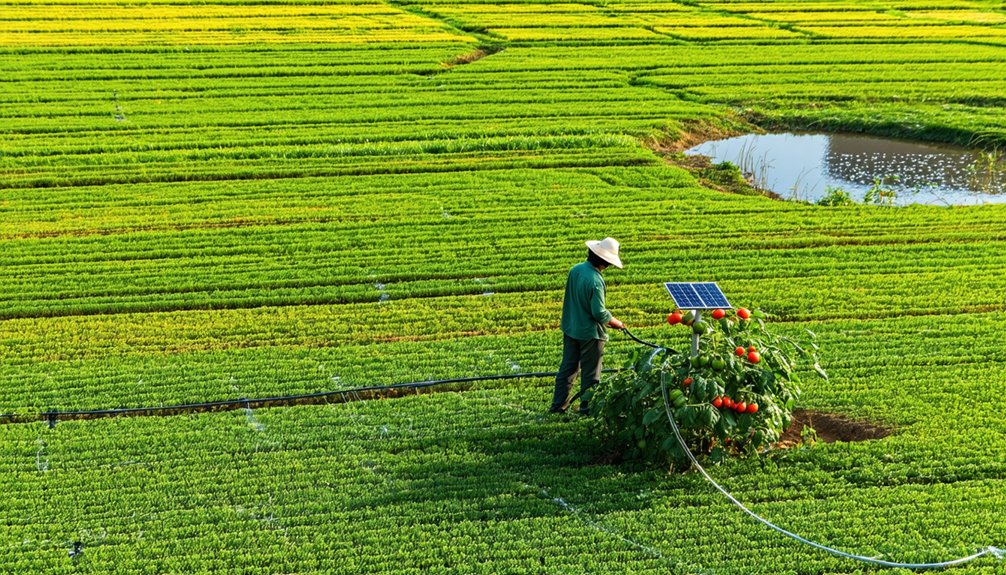
These pumps effectively support diverse irrigation methods, including drip, sprinkler, and surface irrigation, catering to different crop types and soil conditions. Their adaptability ensures optimal water distribution, enhancing plant growth and yield.
Additionally, high-pressure irrigation pumps can be integrated into existing irrigation systems, making them suitable for both new and retrofitted installations. This flexibility is particularly beneficial for farmers and landscapers who require efficient water management solutions.
Whether for large-scale agriculture or smaller residential gardens, high-pressure irrigation pumps provide reliable performance, making them an essential tool for effective water resource management in varying environments.
Conclusion
In conclusion, high-pressure irrigation pumps are essential tools that significantly enhance agricultural productivity. Their adjustable pressure settings ensure optimal water distribution, while their durable construction guarantees long-term reliability. Energy-efficient motor technologies and user-friendly controls further streamline operations, making them accessible for farmers. Additionally, their compatibility with various irrigation methods underscores their versatility in meeting diverse agricultural needs. Overall, these features collectively contribute to more efficient and effective irrigation practices, fostering improved crop yields and sustainability.