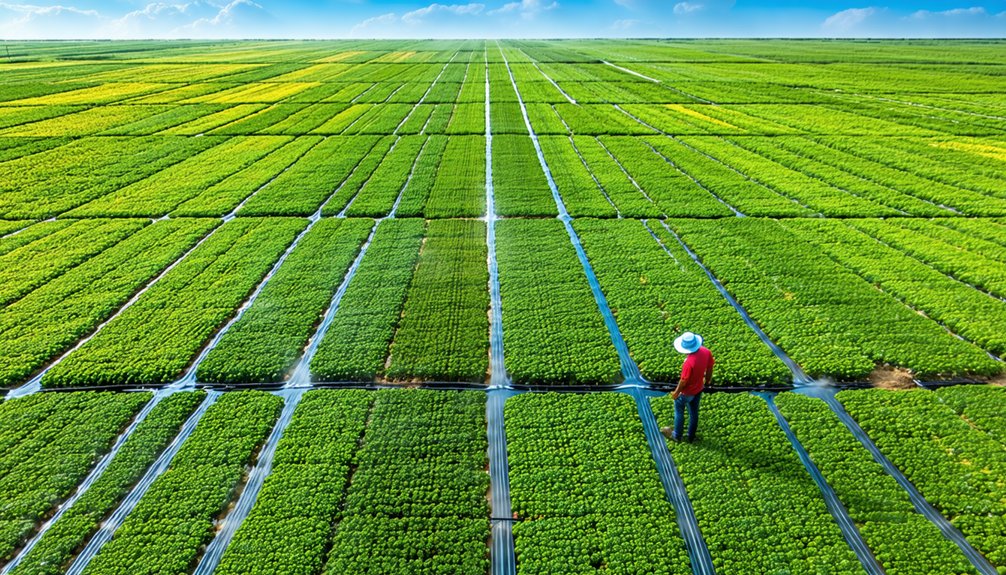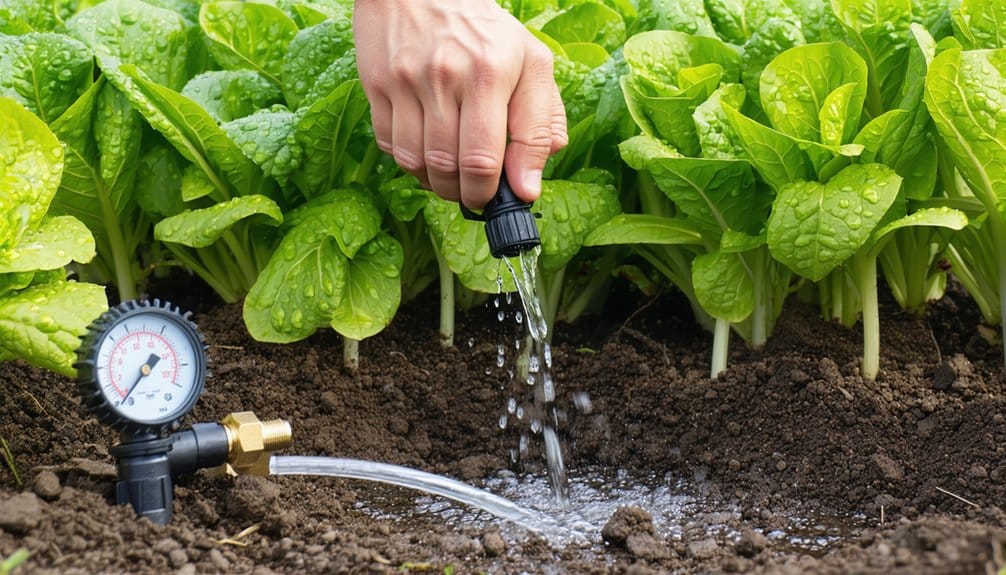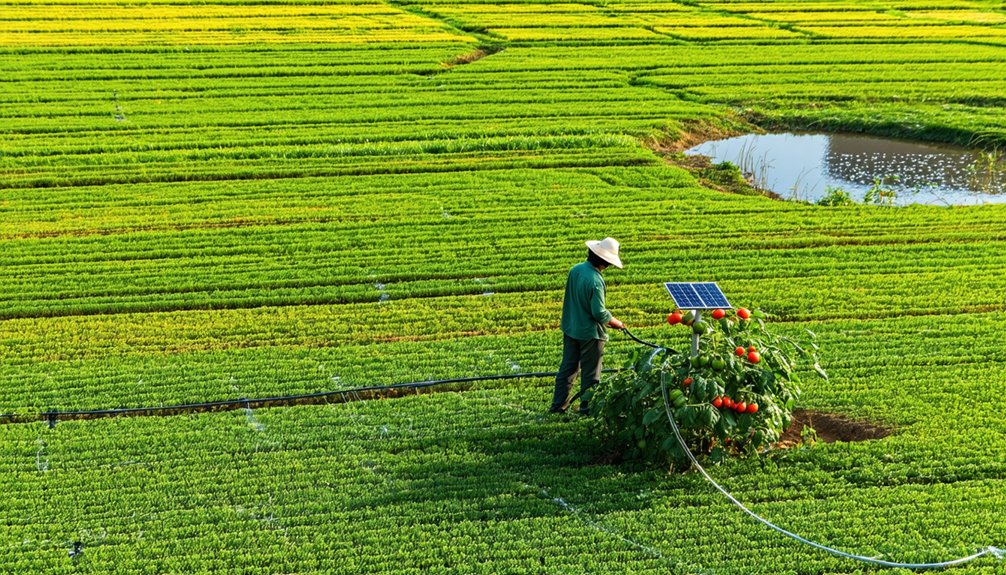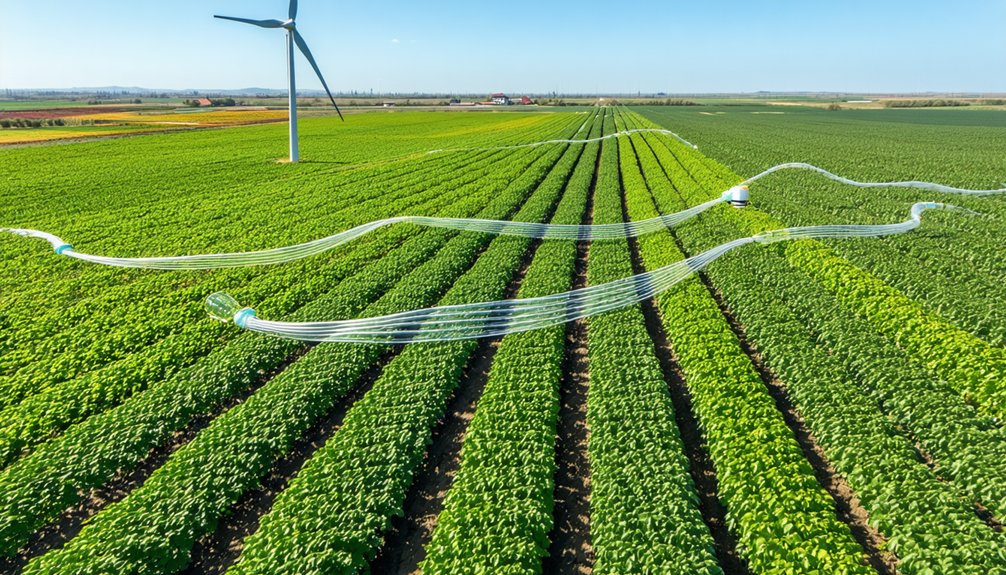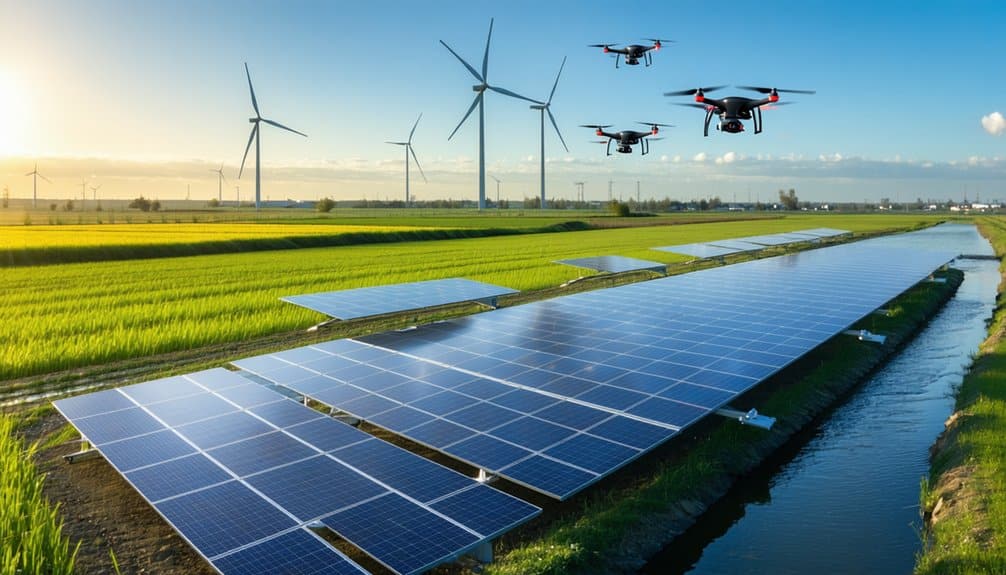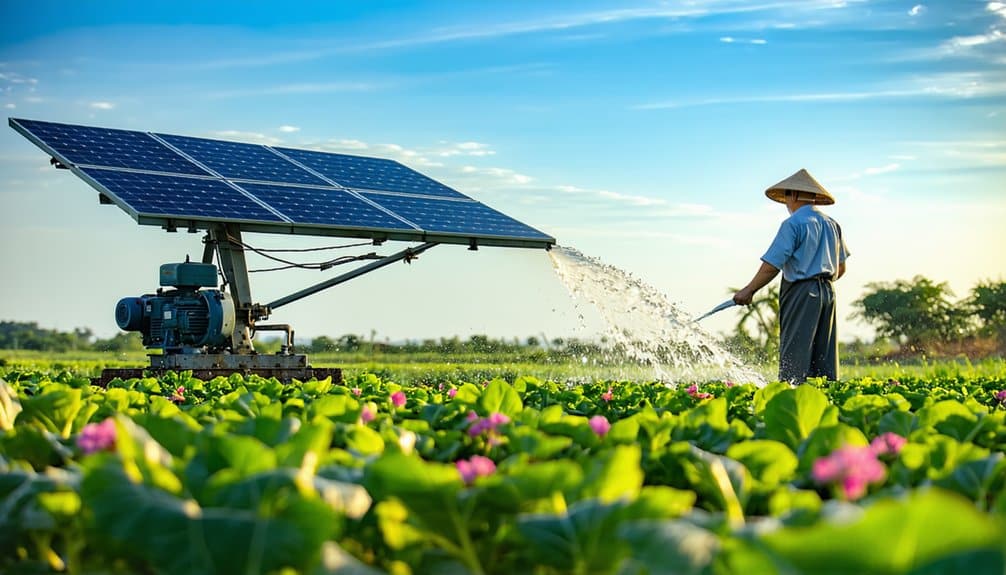
Solar-powered irrigation pumps present a practical solution for modern agriculture. They offer various advantages that can significantly impact farming practices. From cost savings on energy bills to promoting environmental sustainability, these systems are gaining traction among farmers. Their reliability in remote locations further enhances their appeal. As the agricultural sector looks for efficient and sustainable options, the reasons to consider solar-powered irrigation pumps become increasingly compelling. What are the specific benefits that set them apart?
Key Takeaways
- Solar-powered irrigation pumps significantly reduce energy costs by utilizing renewable energy, eliminating fuel expenses over time.
- These pumps contribute to environmental sustainability by lowering carbon emissions and promoting cleaner air.
- With minimal maintenance requirements, solar pumps offer durability and longevity, reducing repair costs and downtime.
- Their reliability in remote locations ensures consistent water supply, enhancing agricultural productivity and food security.
- Easy installation processes and adaptable designs make solar-powered pumps accessible for various agricultural practices.
Cost Savings on Energy Bills
As farmers increasingly turn to solar-powered irrigation pumps, they not only embrace sustainability but also significantly reduce their energy costs.
These systems utilize renewable solar energy, which minimizes reliance on conventional electricity sources, leading to substantial savings on monthly energy bills. The cost-effectiveness of solar pumps becomes evident as initial investments are offset by decreased operating expenses over time.
Unlike traditional pumps, solar-powered options eliminate fuel costs and lower maintenance fees, enhancing their financial viability. Additionally, with the rising costs of fossil fuels, the shift to sustainable irrigation methods offers long-term economic benefits.
Environmental Benefits
The implementation of solar-powered irrigation pumps significantly contributes to environmental well-being.
By utilizing renewable energy, these systems reduce carbon emissions, promoting cleaner air and a healthier planet.
Additionally, they support water conservation efforts, ensuring sustainable resource management in agricultural practices.
Reduced Carbon Emissions
While traditional irrigation methods often rely on fossil fuels, solar-powered irrigation pumps significantly reduce carbon emissions, contributing to a cleaner environment. By harnessing solar energy, these pumps enable farmers to adopt green agriculture practices, minimizing their carbon footprint. The transition to solar-powered systems not only supports sustainable farming but also aligns with global efforts to combat climate change.
| Method | Carbon Emissions | Environmental Impact |
|---|---|---|
| Traditional Pumps | High | Pollution and Emissions |
| Solar-Powered Pumps | Low | Cleaner Air |
| Overall Agriculture | Variable | Sustainable Practices |
Utilizing solar-powered irrigation pumps is a vital step toward reducing emissions and fostering an eco-friendly agricultural future.
Water Conservation Efforts
Solar-powered irrigation pumps not only contribute to reduced carbon emissions but also play a significant role in water conservation efforts. By utilizing renewable energy, these pumps facilitate efficient water usage, minimizing waste in agricultural practices.
Traditional irrigation methods often lead to overwatering, resulting in substantial water loss through evaporation and runoff. In contrast, solar-powered pumps can be programmed for precise watering schedules, ensuring that crops receive only the necessary amount of water. This efficiency not only preserves vital water resources but also encourages sustainable farming practices.
Furthermore, as farmers adopt solar technology, they contribute to a broader environmental impact by reducing the strain on local water supplies, promoting overall ecological balance and resilience in the face of climate change.
Low Maintenance Requirements
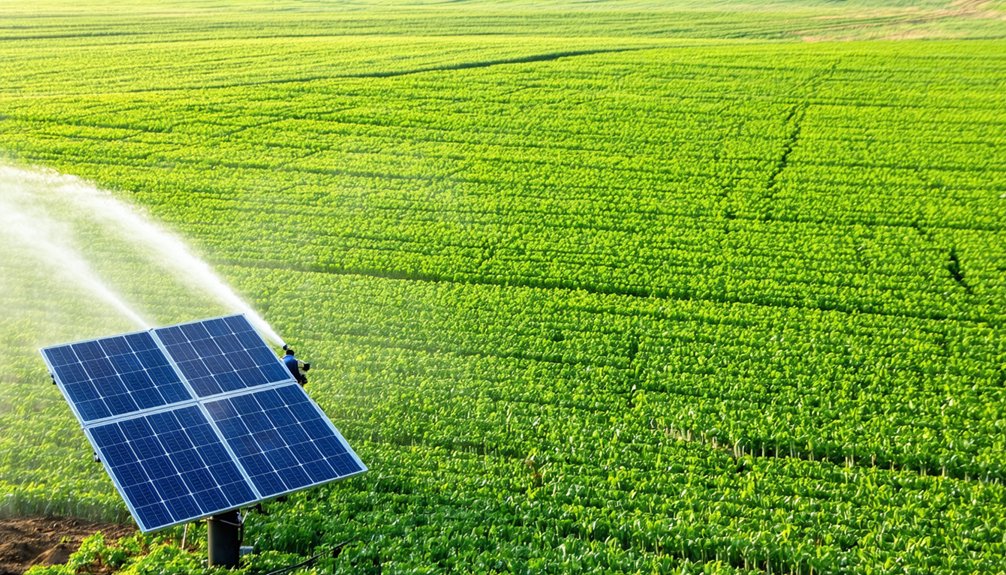
Solar-powered irrigation pumps are designed with minimal mechanical components, which significantly reduces the likelihood of malfunctions.
Their durable and weather-resistant construction ensures that they can withstand harsh environmental conditions with little need for repairs.
As a result, these systems offer a low-maintenance solution for effective irrigation.
Minimal Mechanical Components
The simplicity of the solar-powered irrigation pump is evident in its minimal mechanical components, which significantly reduce maintenance requirements. With fewer moving parts compared to traditional pumps, these systems are less prone to breakdowns and malfunctions. This streamlined design not only cuts down on repair costs but also lessens the time farmers need to spend on upkeep. Consequently, solar-powered pumps are not only efficient but also user-friendly, making them an attractive option for agricultural use.
| Component Type | Maintenance Frequency |
|---|---|
| Moving Parts | Rarely Required |
| Electrical Systems | Periodic Checks |
| Structural Elements | Visual Inspections |
Durable and Weather-Resistant
Irrigation pumps designed for solar energy use exhibit notable durability and weather resistance, attributes that contribute significantly to their low maintenance requirements.
These pumps are often constructed from high-quality materials that can withstand harsh environmental conditions, including extreme temperatures, heavy rainfall, and UV exposure. Such resilience minimizes the risk of damage, ensuring longevity and reliability in agricultural applications.
Additionally, the absence of complex mechanical components reduces wear and tear, further enhancing the system’s durability. This weather-resistant design not only safeguards the pump’s functionality but also lessens the frequency of repairs and replacements.
As a result, users can enjoy a cost-effective irrigation solution with minimal upkeep, allowing them to focus more on their agricultural productivity.
Reliability in Remote Locations
In remote locations, the reliability of irrigation systems is crucial for sustaining agricultural productivity. Solar-powered irrigation pumps are particularly advantageous in these areas, where conventional power sources may be unreliable or unavailable.
These systems operate independently of the electrical grid, ensuring consistent water supply even in the most isolated regions. Their ability to harness solar energy allows them to function effectively in diverse weather conditions, providing farmers with the assurance that their crops will receive adequate irrigation.
Additionally, solar-powered pumps require minimal maintenance compared to traditional systems, reducing the risk of downtime. As a result, farmers in remote areas can depend on these pumps to facilitate efficient irrigation, ultimately supporting their livelihoods and enhancing food security.
Sustainable Water Management
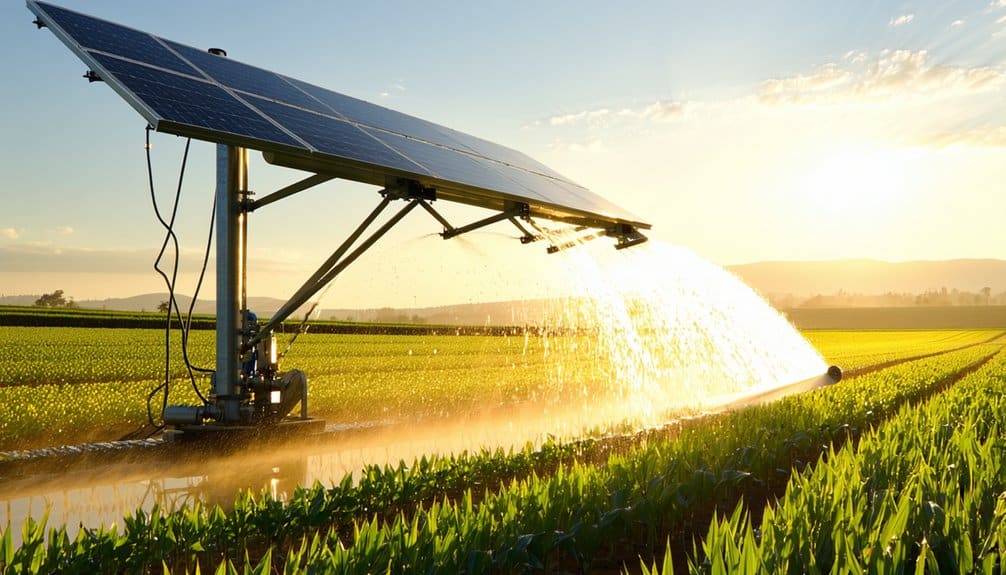
While addressing the challenges of water scarcity, sustainable water management emerges as a vital strategy for agricultural practices. By efficiently utilizing resources, it not only conserves water but also enhances crop yields and protects ecosystems. Solar-powered irrigation pumps play a significant role in this approach, as they harness renewable energy to operate without depleting natural water sources.
| Impact of Sustainable Water Management | Emotional Response |
|---|---|
| Greater crop yield | Hope for food security |
| Reduced water waste | Relief from scarcity |
| Preservation of biodiversity | Connection to nature |
| Empowerment of local communities | Pride in resourcefulness |
Incorporating such methods fosters resilience against climate change while ensuring future generations have access to vital water resources.
Versatility for Different Applications
Solar-powered irrigation pumps exemplify versatility, catering to a wide range of agricultural practices beyond traditional crop irrigation.
These pumps can be adapted for various applications, including livestock watering, greenhouse irrigation, and even aquaculture. Their ability to function in remote areas without access to the electrical grid makes them particularly valuable for farmers in diverse geographical locations.
Additionally, solar-powered pumps can be integrated into existing irrigation systems, enhancing their efficiency and sustainability. By harnessing renewable energy, these pumps reduce operational costs and carbon footprints.
Furthermore, their modular design allows for easy scalability, enabling farmers to adjust their irrigation capacity based on changing needs or environmental conditions. This adaptability contributes to the growing popularity of solar-powered irrigation solutions in modern agriculture.
Increased Crop Yields
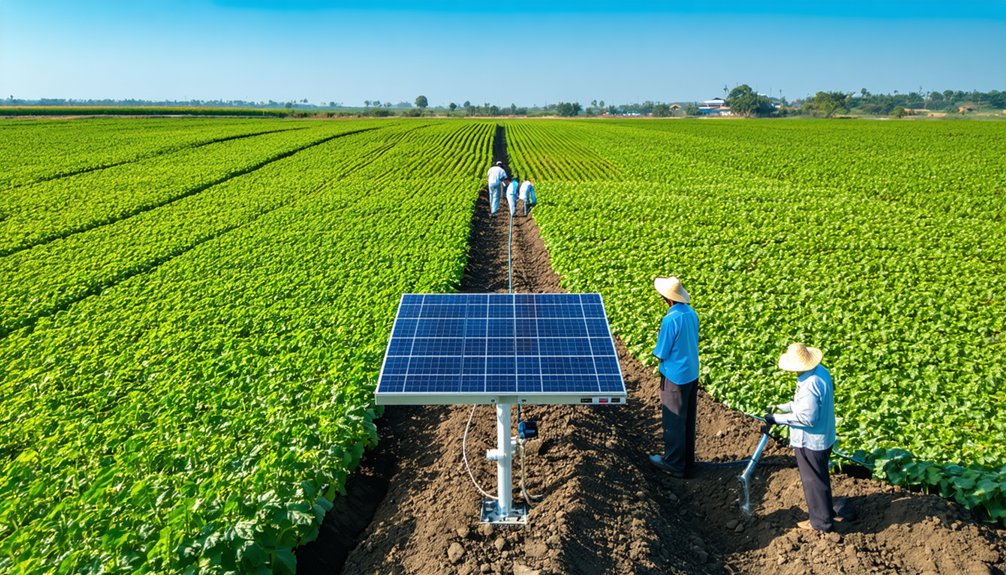
The implementation of solar-powered irrigation pumps significantly enhances crop yields through efficient water usage.
Efficient Water Usage
Efficient water usage plays a crucial role in maximizing crop yields, as it allows farmers to optimize resource allocation while reducing waste.
Solar-powered irrigation pumps enhance this efficiency by providing a consistent and reliable water source tailored to the specific needs of crops. By utilizing renewable energy, these systems minimize the reliance on fossil fuels and lower operational costs, enabling farmers to invest more in their land and practices.
Furthermore, precise water delivery ensures that crops receive the right amount of moisture at the right time, promoting healthier growth and reducing the risk of overwatering or drought stress.
Ultimately, improved water efficiency not only boosts productivity but also contributes to sustainable agricultural practices, ensuring long-term viability for farming operations.
Consistent Irrigation Schedule
A consistent irrigation schedule significantly enhances crop yields by ensuring that plants receive the right amount of water at regular intervals.
Solar-powered irrigation pumps facilitate this reliability, allowing farmers to automate their watering processes efficiently.
By maintaining a steady supply of water, plants can better absorb nutrients and grow optimally. This predictability reduces stress on crops, leading to stronger root systems and healthier growth.
Moreover, consistent irrigation minimizes water wastage, as it allows for precise application based on crop needs.
Farmers utilizing solar-powered systems can adapt their schedules to seasonal changes, further optimizing crop performance.
Ultimately, this combination of regular watering and sustainable energy use contributes to increased agricultural productivity and profitability.
Easy Installation Process
Installing a solar-powered irrigation pump is a straightforward process that can be completed with minimal tools and expertise.
Typically, the installation begins with selecting an appropriate location that receives adequate sunlight throughout the day. Users then position the solar panels, ensuring they are securely mounted and angled for maximum efficiency.
The pump itself can be easily connected to existing irrigation systems, often requiring only basic plumbing skills. Most solar-powered pumps come with clear, concise instructions that guide users through each step.
Additionally, many manufacturers offer customer support to assist with any installation queries. This simplicity not only saves time but also makes solar-powered pumps an accessible option for farmers and gardeners looking to enhance their irrigation systems.
Long Lifespan and Durability
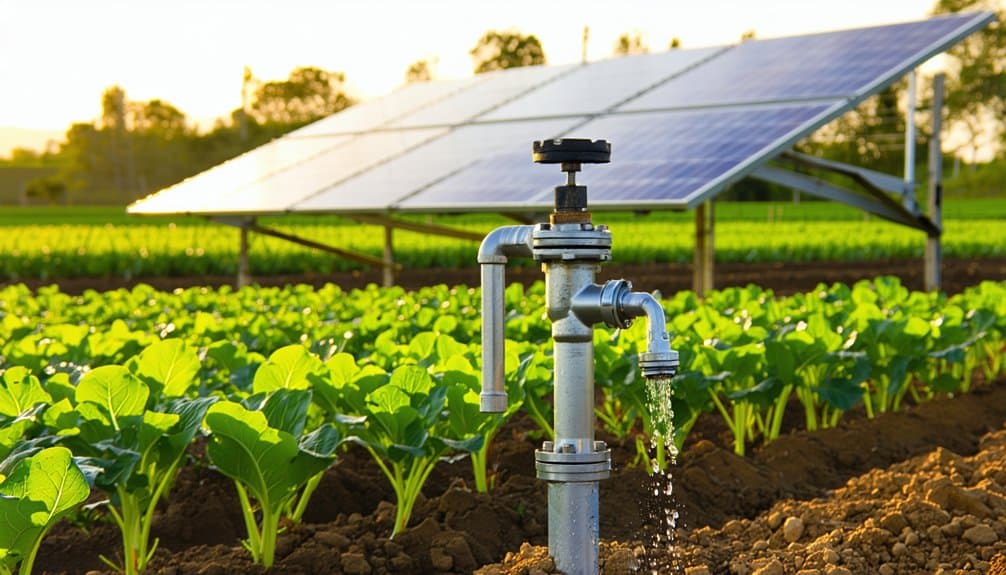
Reliability is a key attribute of solar-powered irrigation pumps, contributing to their long lifespan and durability. Constructed with robust materials, these pumps can withstand harsh environmental conditions, including extreme temperatures and moisture levels. This resilience minimizes maintenance needs and extends operational life significantly compared to traditional pumps.
Additionally, the absence of mechanical components, like engines, reduces wear and tear, further enhancing durability. Solar-powered systems also feature built-in protections against overloading and short-circuiting, ensuring safe operation.
As a result, users can expect consistent performance over many years, translating into lower replacement costs and a better return on investment. The combination of these factors makes solar-powered irrigation pumps a smart choice for sustainable agricultural practices.
Government Incentives and Rebates
Numerous government incentives and rebates have emerged to promote the adoption of solar-powered irrigation pumps. These financial programs are designed to ease the initial investment burden for farmers and landowners.
Various federal and state governments provide tax credits, grants, and low-interest loans specifically for renewable energy projects, including solar irrigation systems. Additionally, some regions offer performance-based incentives, rewarding users based on the energy produced.
These initiatives not only enhance economic feasibility but also encourage sustainable agricultural practices. As awareness of environmental impact grows, more governments are likely to implement favorable policies, making solar-powered irrigation pumps an increasingly attractive option.
Conclusion
In conclusion, solar-powered irrigation pumps present a compelling solution for modern agriculture, offering significant cost savings, environmental benefits, and low maintenance needs. Their reliability in remote areas and contribution to sustainable water management further enhance their appeal. With the potential for increased crop yields and a straightforward installation process, these systems are not only practical but also durable. Additionally, government incentives make the transition to solar energy even more accessible, solidifying their position as an ideal choice for farmers.