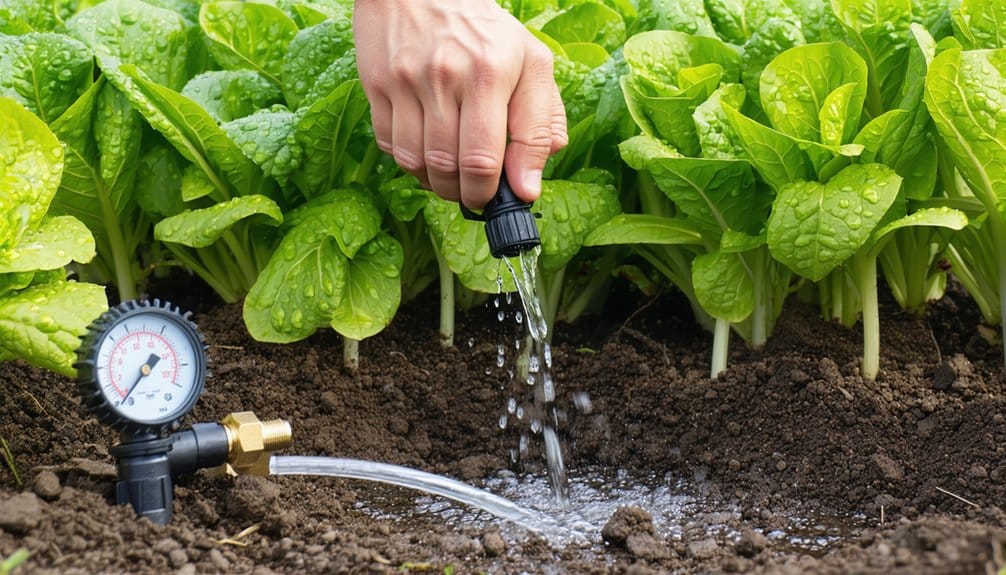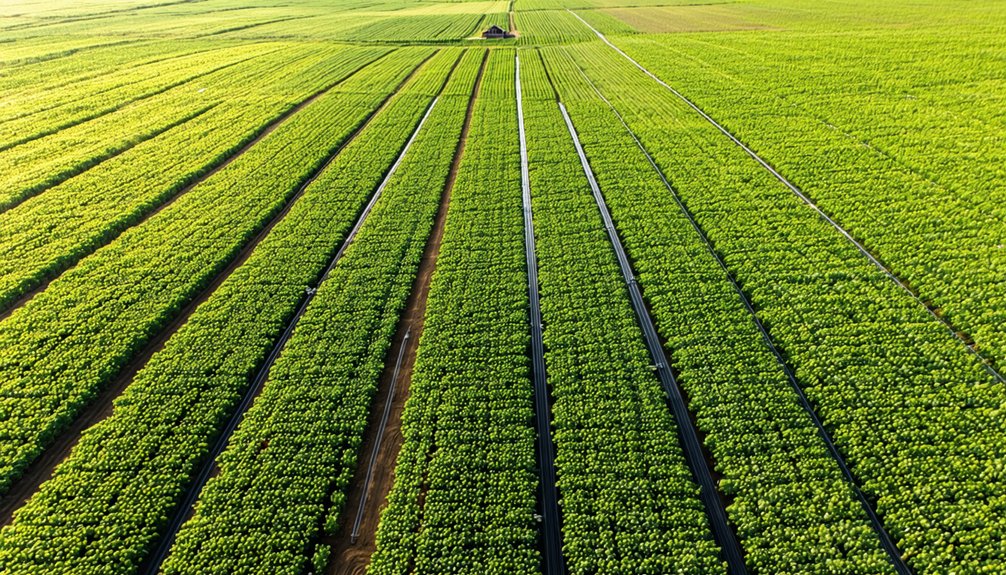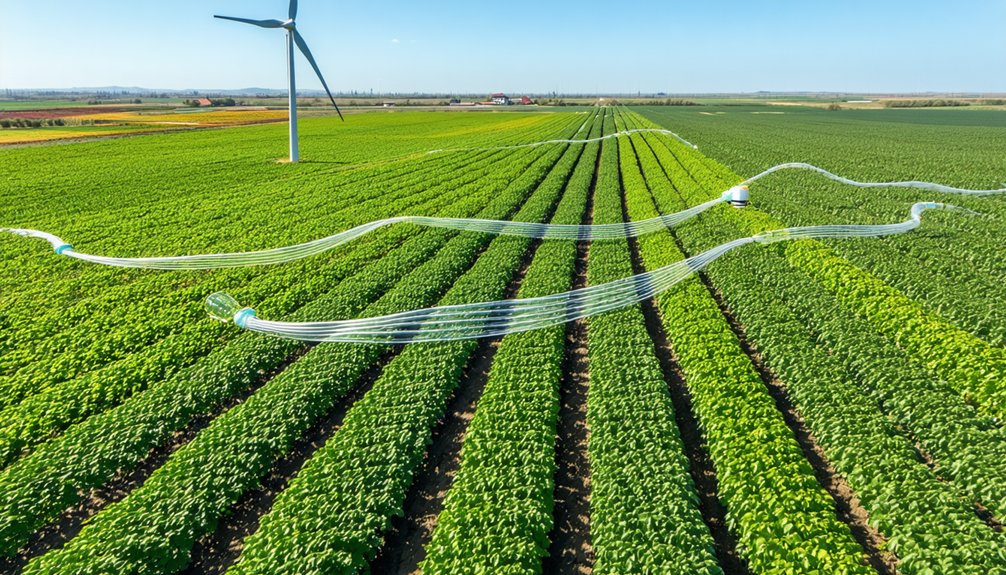

Selecting the right pump for drip irrigation is crucial for efficient water management in agriculture. There are various types of pumps available, each designed for specific needs and conditions. From centrifugal pumps known for their efficiency to solar-powered options that enhance sustainability, the choices are diverse. Understanding these options can significantly impact irrigation success. The following sections will explore each type and its unique advantages for optimal irrigation practices.
Key Takeaways
- Centrifugal Pumps are ideal for large fields, providing efficient water delivery and easy maintenance for drip irrigation systems.
- Submersible Pumps operate underwater, offering energy efficiency and durability while reducing noise and clogging risks.
- Positive Displacement Pumps ensure consistent flow despite pressure variations, making them suitable for diverse irrigation applications.
- Booster Pumps enhance water pressure, crucial for maintaining optimal performance in drip irrigation systems requiring increased pressure.
- Solar-Powered Pumps provide an environmentally friendly option for remote irrigation, reducing reliance on traditional electricity while offering automated operation.
Centrifugal Pumps
Centrifugal pumps are a popular choice in drip irrigation systems due to their efficiency and effectiveness in moving water.
These irrigation pumps utilize a rotating impeller to create a flow of water, making them well-suited for agriculture irrigation applications. Their design allows for consistent water delivery, which is essential for maintaining optimal soil moisture levels in crop production.
Additionally, centrifugal pumps can handle large volumes of water, accommodating the needs of expansive fields and varied terrain. They are also relatively easy to maintain, which is an important factor for farmers seeking reliable operation.
Submersible Pumps
Submersible pumps are a popular choice for various irrigation applications, including drip systems.
These pumps are designed to operate underwater, which offers unique advantages such as efficiency and reduced noise levels.
A comparison of key features reveals how submersible pumps differ from other types, highlighting their suitability for specific irrigation needs.
Pump Types Overview
When selecting a pump for drip irrigation, one notable option is the submersible pump, which operates underwater to effectively deliver water directly to the irrigation system. These pumps are highly efficient and ideal for accessing deep water sources, making them a popular choice among irrigation equipment. Their design allows them to push water to the surface rather than drawing it up, which can enhance overall performance.
| Feature | Description |
|---|---|
| Efficiency | High energy efficiency |
| Installation | Requires submerged setup |
| Maintenance | Low maintenance needs |
| Application | Suitable for deep wells |
| Cost | Generally higher upfront |
Submersible pumps stand out as a reliable water pump option for those focused on effective irrigation solutions.
Key Features Comparison
The effectiveness of submersible pumps in drip irrigation can be attributed to several key features that enhance their overall performance.
First, their design allows for efficient water delivery from deep sources, making them ideal for areas with high water tables. Additionally, submersible pumps are known for their energy efficiency, often consuming less power than surface pumps.
They operate quietly, minimizing disruption in agricultural settings. Another significant feature is their ability to handle solid particles, reducing the risk of clogging in the irrigation system.
Furthermore, submersible pumps are generally more durable, as they are submerged in water, preventing exposure to environmental elements. These characteristics contribute to their reliability and effectiveness in maintaining optimal irrigation conditions for crops.
Positive Displacement Pumps
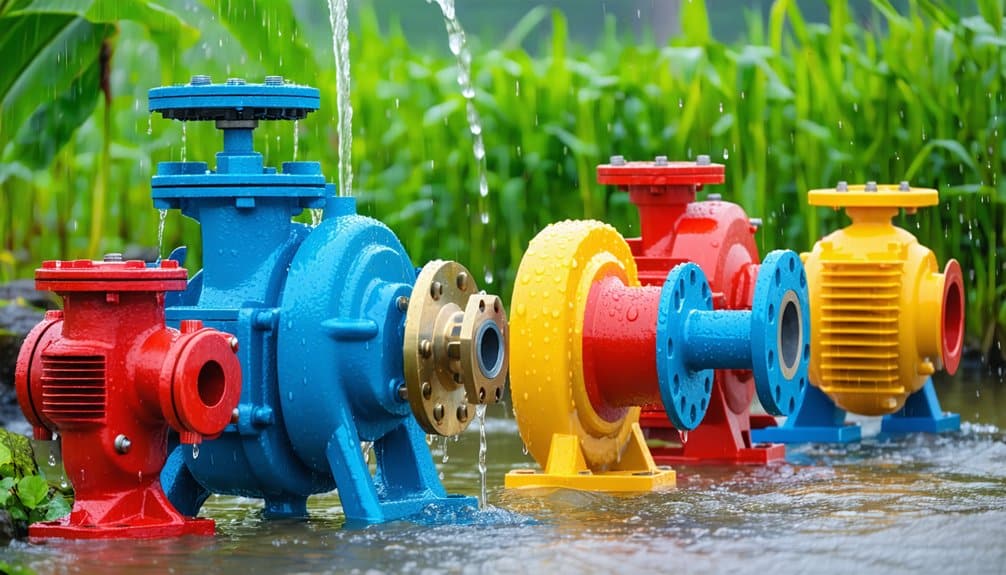
Positive displacement pumps are a vital component in the realm of drip irrigation, known for their ability to deliver a consistent flow of water regardless of pressure changes. These pumps operate by trapping a fixed amount of liquid and forcing it through the system, ensuring precise delivery. They are particularly effective in applications where variations in pressure may occur, making them ideal for various irrigation setups.
| Pump Type | Advantages | Disadvantages |
|---|---|---|
| Gear Pump | High efficiency | Limited flow rate |
| Diaphragm Pump | Self-priming | More complex maintenance |
| Piston Pump | High pressure capability | Noisy operation |
Solar-Powered Pumps
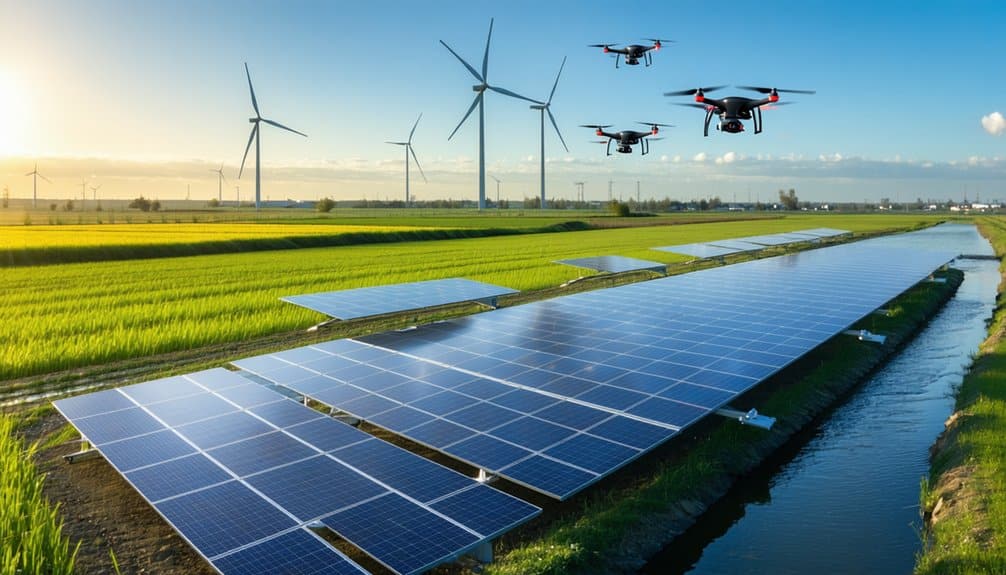
Solar-powered pumps have gained significant traction in the drip irrigation sector due to their sustainability and efficiency.
These pumps harness solar energy, reducing reliance on traditional electricity sources and minimizing operational costs. They are particularly beneficial in remote areas where electricity access is limited or inconsistent.
By utilizing solar panels, these pumps can operate independently, providing water on-demand for irrigation purposes. Additionally, solar-powered pumps contribute to environmentally friendly practices, helping to conserve energy and reduce carbon footprints.
Their ability to operate automatically, often equipped with smart technology, further enhances their appeal. As agricultural practices evolve towards sustainability, solar-powered pumps stand out as a viable solution for farmers looking to optimize water usage while promoting eco-friendly farming methods.
Electric Pumps
Electric pumps play a crucial role in modern drip irrigation systems, offering reliability and consistent performance.
These pumps are designed to efficiently deliver water directly to plant roots, ensuring optimal moisture levels. Electric pumps come in various types, including submersible and surface models, each catering to specific irrigation needs.
They are typically more energy-efficient than other pump types, making them a preferred choice for many agricultural applications. Additionally, electric pumps can be easily automated, allowing for precise control over watering schedules and volumes.
Their low maintenance requirements and quiet operation further contribute to their popularity among farmers and gardeners alike.
Gasoline-Powered Pumps
Gasoline-powered pumps offer a robust alternative for drip irrigation systems, particularly in areas where electricity is unavailable or unreliable.
These pumps are typically favored for their portability and high power output, making them suitable for larger agricultural operations or remote locations. They can efficiently handle varying water sources, including wells and rivers, and provide sufficient pressure for effective irrigation.
Additionally, gasoline-powered pumps tend to have lower initial costs compared to electric models, appealing to budget-conscious users. However, operators must consider maintenance requirements and fuel availability, as these factors can impact overall efficiency and operation costs.
Noise levels and emissions are also considerations, particularly in environmentally sensitive areas. Overall, gasoline-powered pumps remain a viable option for many drip irrigation setups.
Diaphragm Pumps
Diaphragm pumps are renowned for their ability to deliver precise water flow in drip irrigation systems, making them a popular choice among farmers and gardeners alike. These pumps operate using a flexible diaphragm that creates suction, allowing them to handle varying water volumes effectively. Their self-priming feature and ability to run dry without damage enhance their practicality. Additionally, diaphragm pumps are known for their durability and resistance to corrosion, making them suitable for various water conditions.
| Feature | Description |
|---|---|
| Flow Rate | Up to 25 GPM |
| Power Source | Electric or gas |
| Maintenance | Low |
| Suction Lift | Up to 15 feet |
| Efficiency | High |
Booster Pumps
Booster pumps play a vital role in enhancing water pressure within drip irrigation systems, particularly when the existing water supply lacks sufficient force for optimal performance.
These pumps are designed to increase the pressure of water, ensuring that it reaches all areas of the irrigation system effectively. By maintaining consistent pressure, booster pumps help to prevent issues such as uneven water distribution and clogged emitters, which can compromise plant health.
Additionally, they contribute to the efficient use of water resources, minimizing waste and promoting sustainability.
When selecting a booster pump, factors such as flow rate, pressure requirements, and energy efficiency should be considered to ensure compatibility with the specific drip irrigation setup.
Transfer Pumps
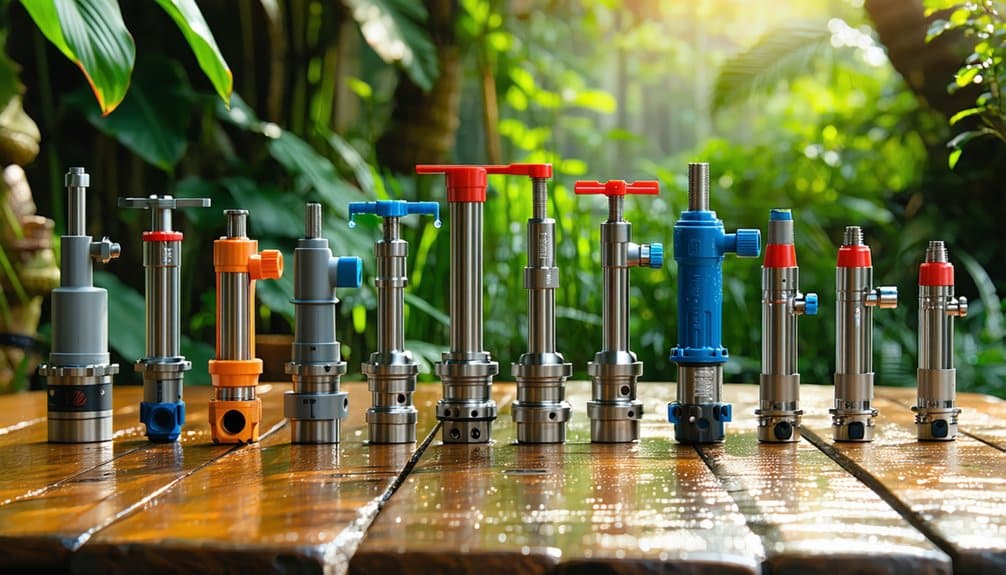
Transfer pumps are essential tools for moving water from one location to another within drip irrigation systems, particularly when the water source is located at a distance from the irrigation area.
These pumps typically feature a straightforward design that enables efficient water transfer without the need for complex configurations. They can handle various water sources, including wells, ponds, and reservoirs, making them versatile for different agricultural settings.
Transfer pumps are generally powered by electric or gasoline engines, providing flexibility based on the available power supply. As they are designed to transport water rather than generate high pressure, their flow rates can vary significantly, depending on the model and application needs.
Multi-Stage Pumps
Multi-stage pumps are designed to deliver high-pressure water flow, making them ideal for drip irrigation systems that require water to be distributed over varying elevations or distances.
These pumps consist of multiple impellers that work together to increase the water pressure, allowing for efficient water delivery to plants located far from the water source or at higher elevations.
Their ability to maintain consistent pressure ensures that all areas of the irrigation system receive an adequate supply of water.
Additionally, multi-stage pumps are known for their durability and energy efficiency, making them a cost-effective choice for both residential and commercial applications.
Conclusion
In conclusion, selecting the right pump for drip irrigation is crucial for optimizing efficiency and performance in agricultural practices. Each pump type, from centrifugal and submersible to solar-powered and multi-stage options, offers unique advantages tailored to specific needs. By carefully considering factors such as water source depth, pressure requirements, and energy sustainability, farmers can ensure effective water management. Ultimately, the right choice enhances crop yield and contributes to sustainable farming practices.