
When establishing an effective irrigation system, the choice of pumps is crucial. Different types of pumps cater to varying needs and conditions. Centrifugal, submersible, positive displacement, diaphragm, and solar-powered pumps each bring unique advantages to the table. Understanding these options can significantly impact efficiency and reliability. As one explores the features and benefits of each pump type, it becomes clear that the right selection can transform irrigation practices.
Key Takeaways
- Centrifugal Pumps: Ideal for surface irrigation, these pumps efficiently transfer water using rotational energy and are easy to maintain.
- Submersible Pumps: Perfect for extracting water from deep sources, these pumps operate underwater and reduce cavitation risks.
- Positive Displacement Pumps: Deliver consistent water flow and handle high pressure, making them great for precise applications like fertilizer injection.
- Diaphragm Pumps: Known for their precise flow control and self-priming capabilities, these pumps are durable and low maintenance.
- Solar-Powered Pumps: Utilize renewable energy to reduce costs and carbon footprint, ideal for remote areas with limited electricity access.
Centrifugal Pumps
Centrifugal pumps play a crucial role in irrigation systems, offering efficiency and reliability in water movement. These pumps are designed to transfer water through the use of rotational energy, making them a popular choice among various types of irrigation pumps.
They are particularly effective for surface irrigation, where they can easily draw water from open sources such as ponds or rivers. Centrifugal pumps are known for their simplistic design, which allows for easy maintenance and operation.
They are available in different configurations, including single-stage and multi-stage options, catering to diverse irrigation needs. Their ability to handle a range of flow rates and pressures makes them invaluable in agricultural applications, ensuring optimal water distribution for crops.
Submersible Pumps
Submersible pumps are essential components in modern irrigation systems, particularly for applications requiring water extraction from deep sources.
These pumps function by being submerged in the water they are designed to move, which allows for efficient operation and minimizes the risk of cavitation. Submersible pumps are commonly used in agricultural and landscape irrigation, where they deliver a consistent flow of water to crops and gardens.
Their design typically includes a sealed motor, preventing water from entering and causing damage. Compared to traditional irrigation pumps, submersible pumps tend to be more energy-efficient and require less maintenance.
Positive Displacement Pumps
While various types of pumps serve different irrigation needs, positive displacement pumps stand out for their ability to deliver a consistent and precise flow of water. These pumps operate by trapping a fixed amount of water and forcing it into the discharge pipe, making them ideal for applications requiring accurate flow rates. They are particularly useful in situations where pressure fluctuations can affect system performance.
| Feature | Advantages | Applications |
|---|---|---|
| Flow Rate | Consistent and steady | Drip irrigation systems |
| Pressure Handling | High pressure capability | Fertilizer injection |
| Maintenance | Low maintenance needs | Greenhouse irrigation |
| Size | Compact designs | Limited space areas |
| Energy Efficiency | Reduced energy use | Sustainable farming |
Positive displacement pumps are a reliable choice for any pump for irrigation system.
Diaphragm Pumps
Diaphragm pumps offer a distinct alternative to positive displacement pumps, catering to specific irrigation requirements with their unique design and functionality.
These pumps utilize a flexible diaphragm to create a suction and discharge action, making them ideal for applications that require precise flow control and the handling of various liquids, including those with solids or particulates.
When choosing an irrigation pump, diaphragm pumps stand out for their ability to self-prime and operate without the need for additional priming mechanisms. They are also known for their durability and low maintenance needs, making them a reliable choice for farmers and gardeners alike.
Solar-Powered Pumps
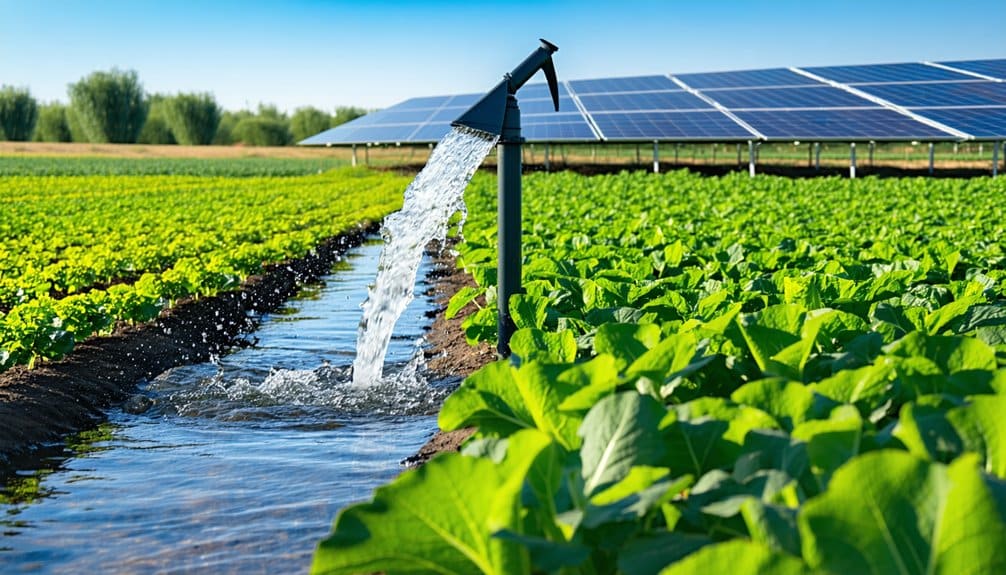
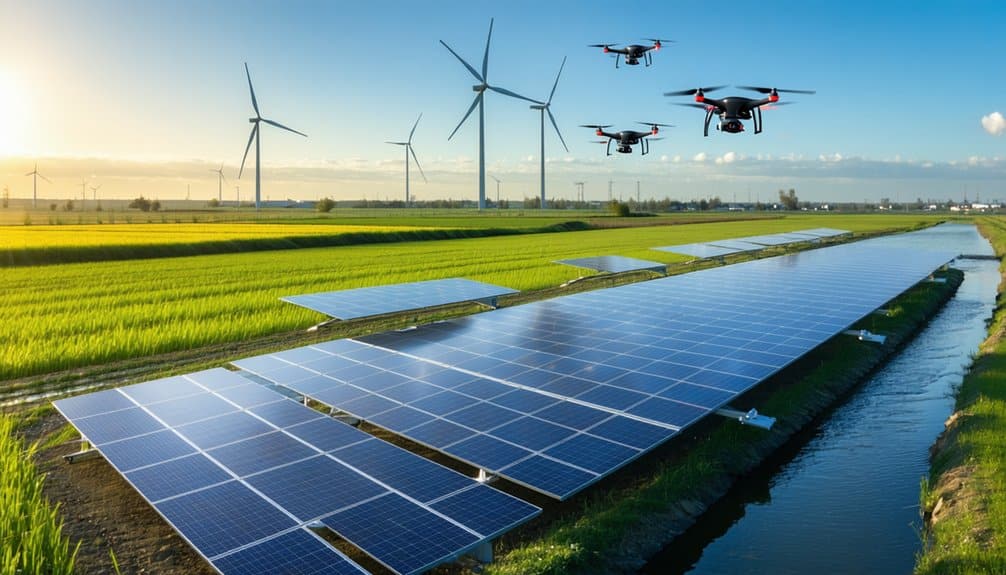
Solar-powered pumps are revolutionizing the irrigation landscape by harnessing renewable energy to provide efficient water management solutions.
These pumps are becoming essential components of modern irrigation systems, offering numerous benefits that enhance agricultural productivity.
Key advantages include:
- Cost Savings: Reduced electricity bills due to reliance on solar energy.
- Environmental Impact: Decreased carbon footprint by using clean energy sources.
- Accessibility: Ideal for remote areas where grid electricity is unavailable.
- Low Maintenance: Fewer mechanical parts lead to less frequent repairs.
Conclusion
Incorporating a variety of pumps into an irrigation system is essential for optimizing performance and sustainability. Centrifugal, submersible, positive displacement, diaphragm, and solar-powered pumps each offer unique advantages tailored to specific needs. By selecting the right combination of these pumps, users can enhance water efficiency, ensure reliable flow, and reduce energy consumption. Ultimately, a well-designed irrigation system leveraging these five must-have pumps can lead to improved agricultural productivity and environmental responsibility.