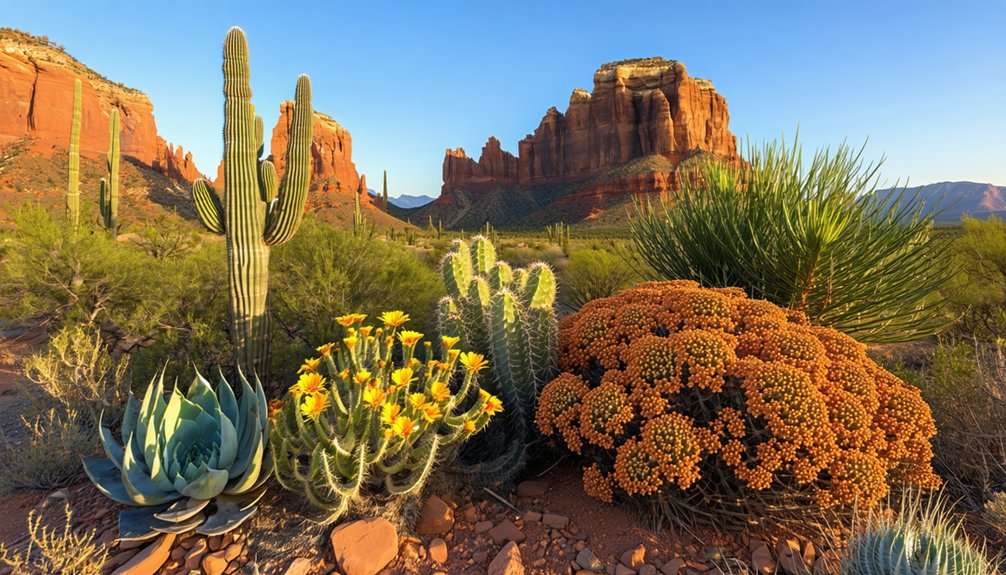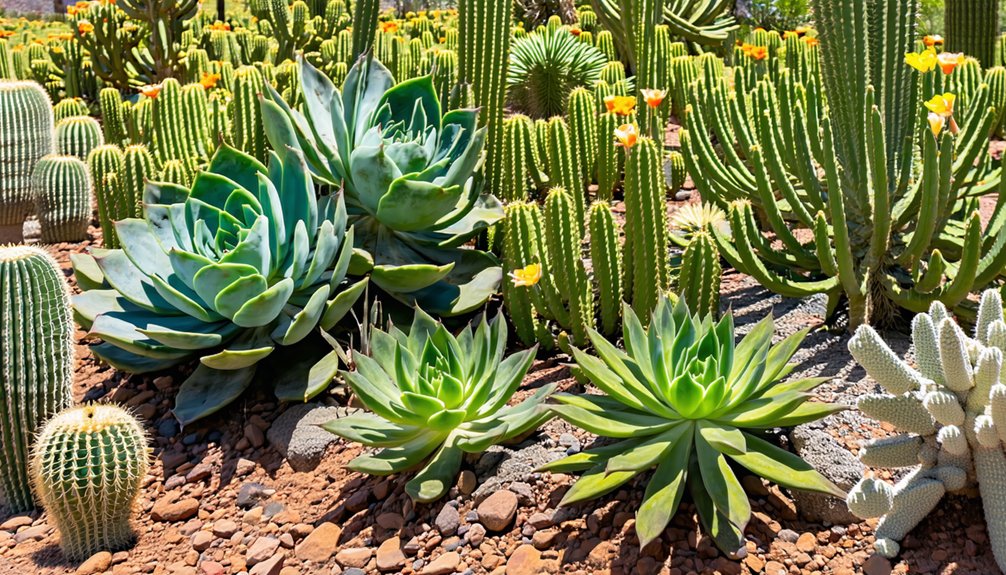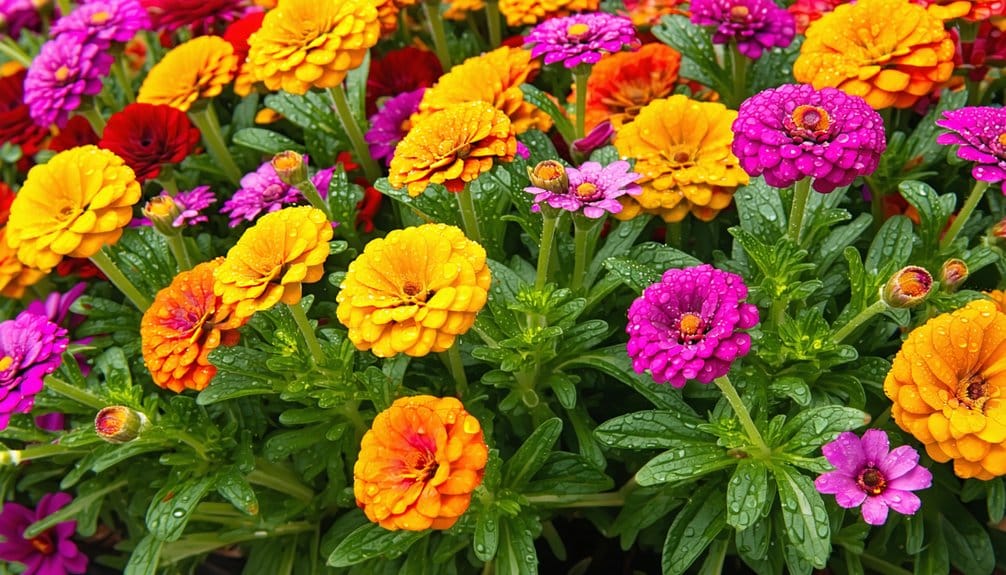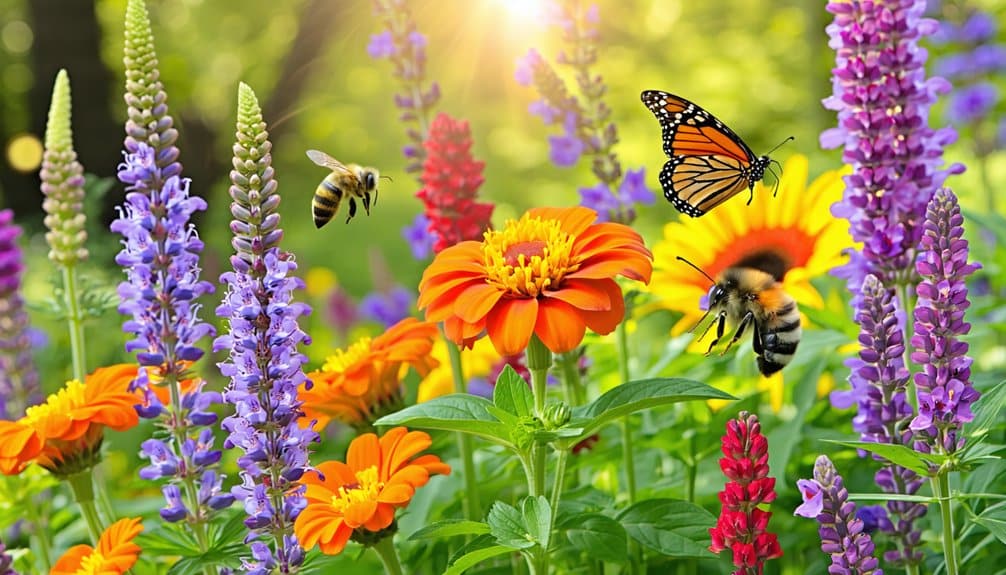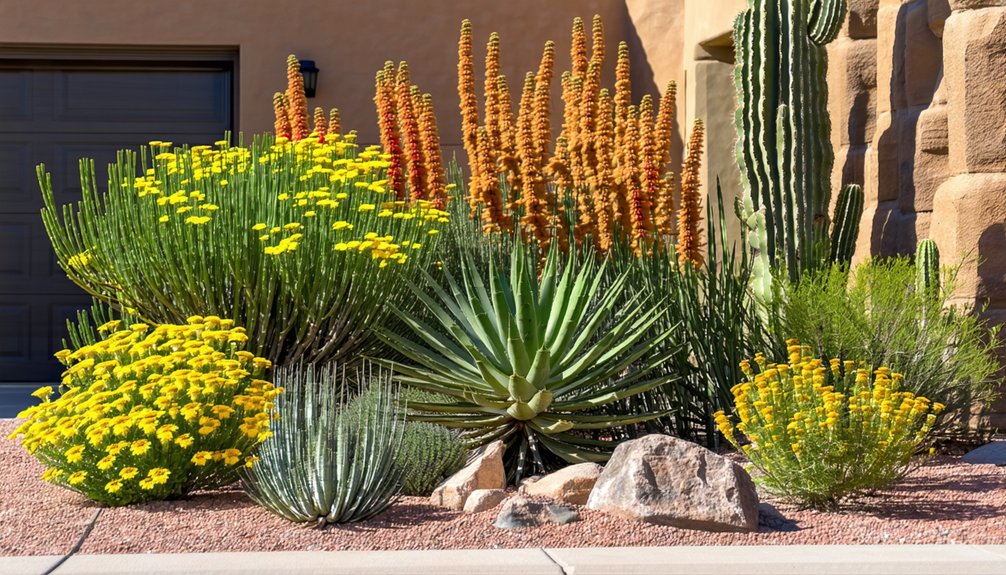
If you’re looking to enhance your Arizona yard without the hassle of constant upkeep, consider incorporating low-maintenance desert plants. These resilient species thrive in arid conditions and require minimal watering once established. From the sculptural Agave to the iconic Saguaro Cactus, each plant offers unique beauty and benefits. Curious about which plants can transform your landscape while supporting local wildlife? Let’s explore the top ten options that could be perfect for your garden.
Agave
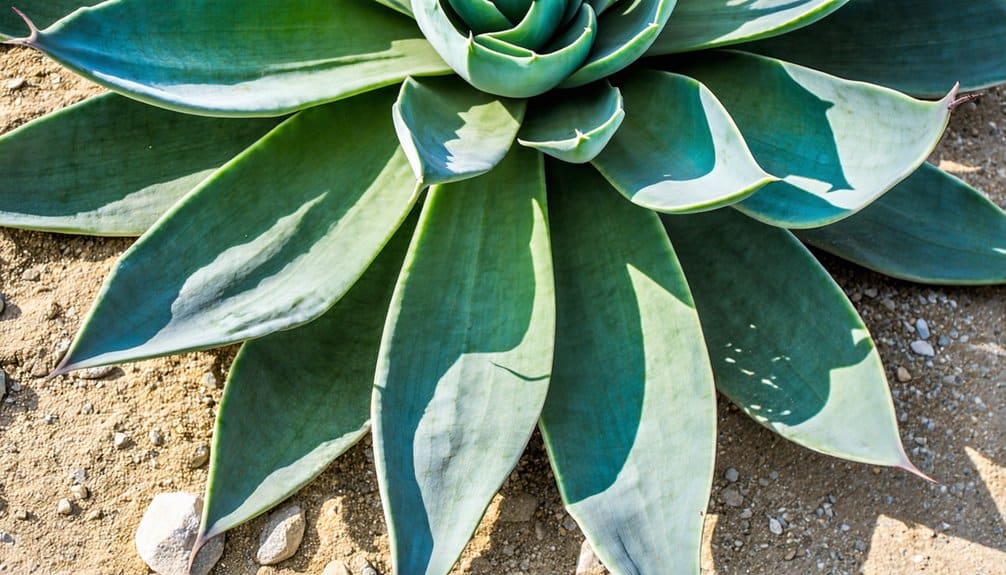
Agave plants are perfect for your Arizona yard, offering both beauty and resilience.
These stunning Arizona desert plants thrive in the harsh conditions of the desert, making them ideal low-maintenance plants for your landscape. With their striking shapes and varied sizes, agaves can easily become focal points in your garden.
As drought-resistant plants, they require minimal water once established, allowing you to conserve resources while enjoying vibrant greenery. Their thick, fleshy leaves store moisture, helping them endure the dry heat.
Plus, they attract pollinators, enhancing your yard’s ecosystem. By choosing agave, you’ll create a stunning, sustainable space that requires little care and stands up to the challenges of Arizona’s climate. Additionally, many agave varieties are drought and heat-tolerant, making them an excellent choice for arid environments.
Enjoy the beauty of these resilient plants without the hassle!
Desert Marigold
If you’re looking to add a splash of vibrant color to your Arizona yard, consider the Desert Marigold. This hardy perennial thrives in desert landscaping and is perfect for xeriscaping projects.
With its bright yellow flowers, it blooms from spring through fall, creating a cheerful atmosphere. The Desert Marigold requires minimal water once established, making it an ideal choice for low-maintenance gardens.
It adapts well to poor soil and full sun, ensuring it flourishes in your Arizona climate. You’ll appreciate its ability to attract pollinators while resisting pests and diseases. Additionally, the Desert Marigold is known to be a top pollinator plant, attracting bees and butterflies to your garden.
Red Yucca
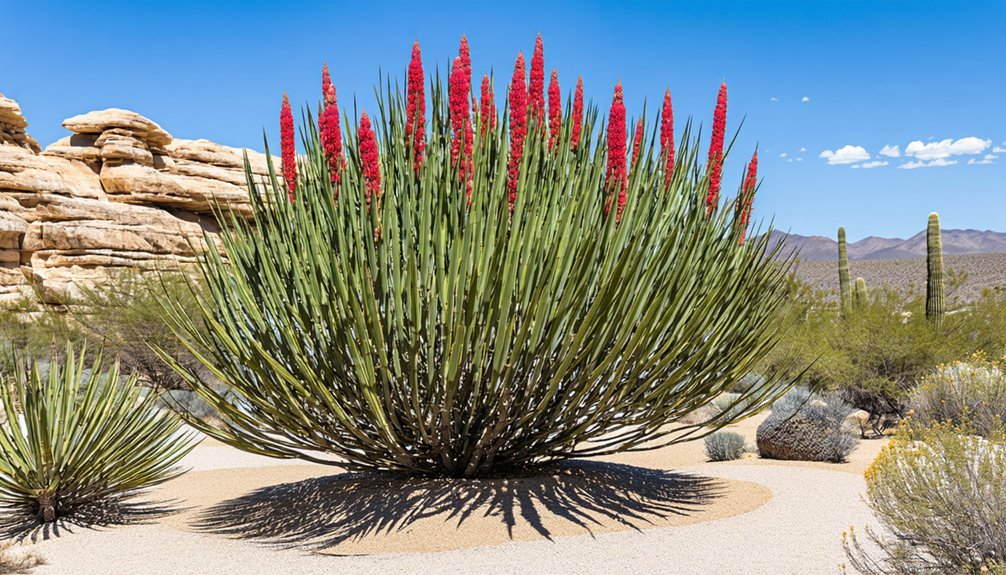
While you’re looking for a striking addition to your Arizona garden, the Red Yucca stands out as an excellent choice. This hardy plant thrives in the desert climate, requiring minimal water and care.
Its long, arching leaves create a stunning backdrop for its tall flower spikes, which bloom in vibrant red or coral hues, attracting hummingbirds and butterflies. You’ll appreciate its drought resistance, as it flourishes under the hot Arizona sun without needing constant attention.
Plant it in well-drained soil, and you’re good to go! Red Yucca pairs beautifully with other desert plants, enhancing your landscape’s overall appeal.
With its low-maintenance requirements and stunning appearance, this plant will surely elevate your outdoor space.
Saguaro Cactus
As one of the most iconic symbols of the American Southwest, the Saguaro cactus adds a unique touch to your Arizona yard.
These towering giants can grow up to 40 feet tall and live for over 150 years, making them a long-lasting addition to your landscape. They thrive in the desert’s heat and require minimal water once established.
Just be sure to plant them in well-draining soil and provide plenty of sunlight. Saguaros bloom stunning white flowers in the spring, attracting pollinators like bees and bats.
Remember, it’s illegal to remove or harm these protected plants, so enjoy their beauty and majesty while respecting their natural habitat.
With proper care, your Saguaro will be a stunning centerpiece for years to come.
Mexican Feather Grass
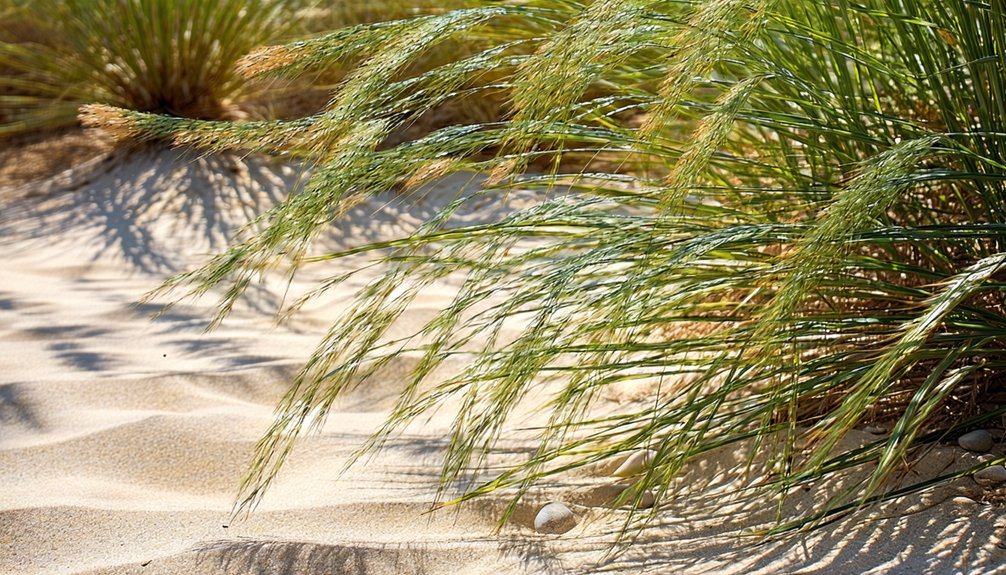
After appreciating the majestic Saguaro cactus, consider adding Mexican Feather Grass to your Arizona yard for a different yet equally captivating element.
This ornamental grass thrives in the desert’s harsh conditions and requires minimal maintenance. With its delicate, arching plumes and vibrant green color, it brings a soft, flowing texture to your landscape. You’ll love how it sways gracefully in the breeze, creating visual interest year-round.
Plant it in well-drained soil and enjoy its drought tolerance—this grass flourishes with little water. Plus, it attracts pollinators, enhancing your garden’s ecosystem.
Whether used in borders or mass plantings, Mexican Feather Grass is sure to elevate your outdoor space while fitting seamlessly into the desert aesthetic.
Palo Verde Tree
The Palo Verde tree stands out for its striking beauty, with vibrant green bark and lovely yellow blooms.
Not only is it incredibly drought-tolerant, making it perfect for Arizona’s climate, but it also provides essential habitat for local wildlife.
Adding a Palo Verde to your yard enriches the environment while keeping maintenance low.
Unique Aesthetic Appeal
With its striking green bark and vibrant yellow blooms, the Palo Verde tree brings a unique aesthetic appeal to any Arizona yard.
This tree’s bright coloration creates a stunning contrast against the desert landscape, making it a focal point in your outdoor space. In spring, the abundant yellow flowers burst forth, attracting pollinators and adding a splash of color just when you need it most.
Its open canopies provide a graceful, airy feel, allowing sunlight to filter through while still offering some shade.
Whether you’re looking to create a serene oasis or a lively garden, the Palo Verde’s sculptural form and seasonal beauty can enhance your yard’s overall charm. You’ll find it’s a perfect blend of function and visual interest.
Drought Tolerance Benefits
Because of its remarkable drought tolerance, the Palo Verde tree is an ideal choice for Arizona gardens. This tree thrives in arid conditions, requiring minimal water once established.
You won’t have to worry about frequent watering or high maintenance, making it perfect for busy homeowners. Its deep roots allow it to access underground moisture, ensuring it stays healthy even during dry spells.
Plus, its ability to shed leaves during extreme drought helps conserve water, showcasing its resilience. By choosing a Palo Verde, you not only save on water bills but also contribute to a sustainable landscape.
You’ll appreciate its low upkeep while enjoying the beautiful, vibrant blooms it produces, enhancing your outdoor space effortlessly.
Wildlife Habitat Support
Not only does the Palo Verde tree thrive in drought conditions, but it also plays a vital role in supporting local wildlife.
By planting this native tree, you’re creating a habitat for various birds, insects, and small mammals. The tree’s blossoms provide nectar for hummingbirds and bees, while its pods serve as a food source for squirrels and rabbits.
Additionally, the dense canopy offers shelter and nesting sites, making it an essential part of the ecosystem.
When you incorporate Palo Verde into your yard, you’re not just enhancing your landscape; you’re contributing to the biodiversity of your area.
This tree’s low maintenance and wildlife-friendly traits make it a perfect choice for anyone looking to support nature in their Arizona yard.
Desert Spoon
If you’re looking for a unique addition to your Arizona yard, the Desert Spoon is a fantastic choice.
It thrives in dry conditions and requires minimal care, making it perfect for your low-maintenance landscape.
Let’s explore how to plant it, its distinctive features, and the ideal growing conditions it needs.
Planting and Care Tips
When you’re ready to plant Desert Spoon, also known as Dasylirion wheeleri, choose a well-draining location that gets plenty of sunlight.
Dig a hole about twice the width of the root ball and the same depth. Place the plant in the hole, ensuring the top of the root ball sits level with the soil surface. Backfill with soil, then water thoroughly to settle the soil around the roots.
Once established, Desert Spoon requires minimal watering—usually just during prolonged dry spells. Avoid overwatering, as this can lead to root rot.
Prune away any dead or damaged leaves to keep the plant healthy. Lastly, apply a layer of mulch to help retain moisture and suppress weeds, but keep it away from the plant’s base.
Unique Features and Benefits
Desert Spoon, with its striking rosettes of narrow, spiky leaves, adds a unique architectural element to your yard while thriving in Arizona’s arid climate.
This plant not only captivates with its unusual appearance, but it also boasts impressive drought resistance, making it a smart choice for your landscape. Its sharp, sword-like leaves create an interesting contrast with softer plants, enhancing visual appeal.
Plus, Desert Spoon is perfect for attracting pollinators, such as bees and butterflies, enriching your garden’s ecosystem. You’ll appreciate its low maintenance needs—requiring minimal water and no fertilizer.
When it blooms, its tall flower spikes with yellow-green blooms offer a stunning display, providing year-round interest. Incorporating Desert Spoon can elevate your outdoor space while saving you time and effort.
Ideal Growing Conditions
To ensure your Desert Spoon thrives, it’s important to understand its ideal growing conditions.
This resilient plant loves full sun, so choose a spot in your yard that gets at least six hours of direct sunlight daily. It prefers well-draining soil, so avoid heavy clays that retain moisture. If your soil isn’t ideal, consider mixing in sand or gravel to enhance drainage.
Desert Spoon is drought-tolerant, so you won’t need to water it frequently; give it a deep soak only when the soil is completely dry. It’s also best to plant it in the spring or fall when temperatures are milder.
With the right conditions, your Desert Spoon will flourish and add unique beauty to your Arizona yard.
Blackfoot Daisy
Blackfoot Daisy is a stellar choice for Arizona gardens, offering vibrant blooms with minimal effort. This perennial thrives in full sun and well-drained soil, making it perfect for your desert landscape.
You’ll love how it flourishes with little water, requiring only occasional irrigation once established. The daisy’s white flowers with yellow centers bloom from spring through fall, attracting butterflies and other pollinators to your yard.
Plus, its compact size means it fits well in any garden design, whether you’re aiming for a colorful border or a rock garden.
With its drought tolerance and low maintenance needs, the Blackfoot Daisy lets you enjoy a beautiful garden without the hassle. Embrace this hardy plant for a stunning, carefree Arizona yard!
Ocotillo
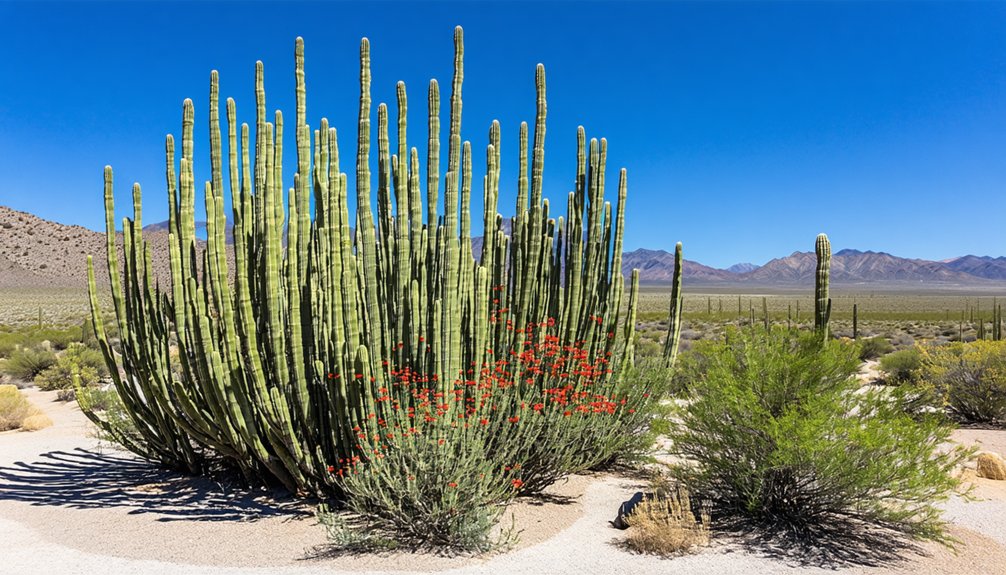
Ocotillo stands out as a striking addition to any Arizona yard, showcasing its unique, tall, and spiky stems that can reach up to 20 feet.
This drought-tolerant plant thrives in the desert climate, requiring minimal water once established. When conditions are right, you’ll love the vibrant red tubular flowers that bloom in spring, attracting hummingbirds and other pollinators.
Plant ocotillo in well-draining soil to ensure its health, and place it in full sun for optimal growth. You won’t need to worry about pests or diseases, making it an ideal low-maintenance choice.
Whether planted alone or as part of a xeriscape garden, ocotillo adds a dramatic flair to your outdoor space while requiring little care from you.
Barrel Cactus
When you think of desert plants, the barrel cactus stands out with its unique shape and impressive size.
Not only does it add character to your yard, but it also requires minimal care.
Let’s explore how to keep this striking cactus thriving in your Arizona landscape.
Unique Appearance and Size
The barrel cactus stands out in any Arizona yard with its distinctive round shape and striking ribbed texture. This unique appearance not only adds visual interest but also provides a conversation starter among guests.
Typically reaching heights of 2 to 4 feet, the barrel cactus can grow wider than a foot, making it a bold statement piece in your landscape. Its vibrant green color contrasts beautifully against the arid backdrop, while its yellow or red flowers bloom during the spring, adding seasonal flair.
You’ll also appreciate the way the cactus’s shape mimics the natural contours of the desert, creating a harmonious look in your garden. With its impressive stature, the barrel cactus is sure to draw attention and admiration.
Care and Maintenance Tips
Although barrel cacti are low-maintenance plants, they still require some care to thrive in your Arizona yard.
Make sure to plant them in well-draining soil, as excess moisture can lead to rot. Water them sparingly; typically, once every few weeks in the growing season is sufficient. During the cooler months, you can cut back on watering even more.
Place your barrel cactus in a sunny spot where it can soak up plenty of light. Fertilizing isn’t necessary, but if you want, a diluted cactus fertilizer in spring can help promote growth.
Lastly, keep an eye out for pests like mealybugs and treat them promptly to keep your cactus healthy and vibrant. Enjoy your hardy desert beauty!
Conclusion
Incorporating these 10 low-maintenance desert plants into your Arizona yard will not only enhance its beauty but also make gardening a breeze. With their striking features and ability to thrive in arid conditions, you’ll enjoy a vibrant landscape while conserving water. Plus, these plants support local wildlife and pollinators, creating a harmonious outdoor space. So go ahead, embrace the desert’s unique charm and transform your yard into a stunning oasis with these resilient plants!